


 English
 Español
 русский
 Deutsch
 عربى
عربى
Best Tents in the Rain: How to Choose a Tent That Keeps You Dry and Happy
Content
- 1 What "Best in the Rain" Really Means
- 2 The Numbers Behind the Word Waterproof
- 3 Shape and Structure: Where the Water Goes
- 4 Seams, Floors, Zippers and Vents
- 5 Pitching Well When the Rain Will Not Wait
- 6 Matching the Tent to the Way You Camp
- 7 Care That Keeps a Tent Rain Ready
- 8 Short Answers to Common Questions
Rain is the fairest test a tent will ever face. It finds the thin coating, the seam nobody taped properly, the floor that sits too low, and the ventilation that was never really thought through. After more than two decades of designing and manufacturing tents in Ningbo, we have watched the same handful of details decide whether a wet weekend becomes a good story or one people would rather forget.
This is not a list of brands. It is a practical explanation of what makes a tent good in the rain, how to read the specifications that matter, and how to match a shelter to the way you really camp.
What "Best in the Rain" Really Means
Ask ten campers which tent is best in the rain and you will get ten answers, usually the one they own. From a manufacturing point of view, the useful question is: what has to be true for a tent to keep people dry?
A rain-worthy tent solves two problems. The first is keeping water out, which comes down to fabric, coating, seam sealing, floor construction and zipper protection. The second is letting moisture escape. Every person releases a surprising amount of water vapour overnight, and on a cold, wet night it condenses on the coldest surface, usually the inner wall. A shelter that keeps rain out but traps condensation will still leave you with a damp sleeping bag by morning.
So "waterproof" is only half the answer. The other half is design: how the shelter sheds water, how air moves through it, and how much space sits between you and the fabric.
The Numbers Behind the Word Waterproof
Fabric water resistance is usually described as hydrostatic head, a measure of how tall a column of water a material can hold before it leaks. It is useful, but it is measured on flat, new fabric, while a real tent is stitched, folded, tensioned and aged.
| Water resistance (hydrostatic head) | What it usually handles | Typical tent type |
|---|---|---|
| 800 to 1,000 mm | Brief showers, dew and mist | Beach shelters and festival tents |
| 1,500 to 2,000 mm | Steady rain across a weekend | General and family camping tents |
| 2,500 to 3,000 mm | Prolonged rain on exposed ground | Double layer hiking tents |
| 3,000 mm and above | Heavy sustained rain with strong wind | Expedition and four season tents |
The takeaway: the seams, floor and zips have to be at least as good as the fabric. A high rated fly with untaped seams will leak long before a modest fly with properly sealed seams and a well built floor.
Shape and Structure: Where the Water Goes
Shape decides what happens once rain lands. A steep, taut fly sheds water quickly, while a shallow or sagging one lets it pool, and pooling water eventually finds a way in.
- Dome tents shed in every direction and keep panels steep, so they cope well with both rain and gusty wind.
- Tunnel tents offer a long continuous fly and plenty of covered space, provided they are tensioned properly.
- Cabin tents give generous headroom, but flat roofs and near vertical walls demand better waterproofing and more careful pitching.
- Pyramid and single pole designs pitch fast, stand up to wind and often have a large protected entrance.
Two details matter more than most buyers expect. The first is fly coverage: a fly that reaches low and extends over the doorway keeps rain off the inner door while it is open. The second is guy-out: a shelter that can be tensioned from several directions stays taut in wind instead of flapping into a bag that collects water.
Seams, Floors, Zippers and Vents
Seams are the first place water gets in
Stitching creates thousands of small holes. Taped or welded seams close them again, and on any tent meant for real rain, the fly and floor should both be sealed at the factory.
Floors should behave like a bathtub
A bathtub floor turns up at the edges, so water on the ground cannot wick into the sleeping area. It is one of the simplest and most effective features in tent design, and worth checking before you buy.
Zippers and vents
Door zippers need a storm flap to keep driven rain out of the teeth. Ventilation has to work in the rain too: high vents with small hoods let warm damp air out without letting water in, while low vents draw cooler air through. On a double layer tent, the inner is largely mesh, which keeps condensation off your sleeping bag.
Pitching Well When the Rain Will Not Wait
Even a well made tent can disappoint if it is pitched badly. A short routine helps.
- Read the ground before you unpack. Slight rises beat hollows, and a spot under trees may drip long after the rain stops.
- Choose a design that lets you pitch the outer layer first, or an automatic tent with an integrated frame, so the inner never sits exposed.
- Keep the inner dry while you work. Clip it in last if the design allows, and keep the door closed until the fly is on.
- Tension the guy lines at roughly 45 degrees so the panels stay steep and the tent does not flap loose overnight.
- Leave a gap between sleeping bags and walls, since touching fabric carries condensation to your bedding.
- Keep a vent open even in rain. A sealed tent is a wet tent, just in a different way.
Matching the Tent to the Way You Camp
The best rain tent for a family of five is not the best for a solo backpacker, so be honest about which camper you are.
Day shelters and beach tents
For a few hours of shade and light drizzle, low profile shelters with a strong canopy are ideal. They are built for short stays rather than overnight rain, and expecting more from them is where disappointment starts.
Family and base camping
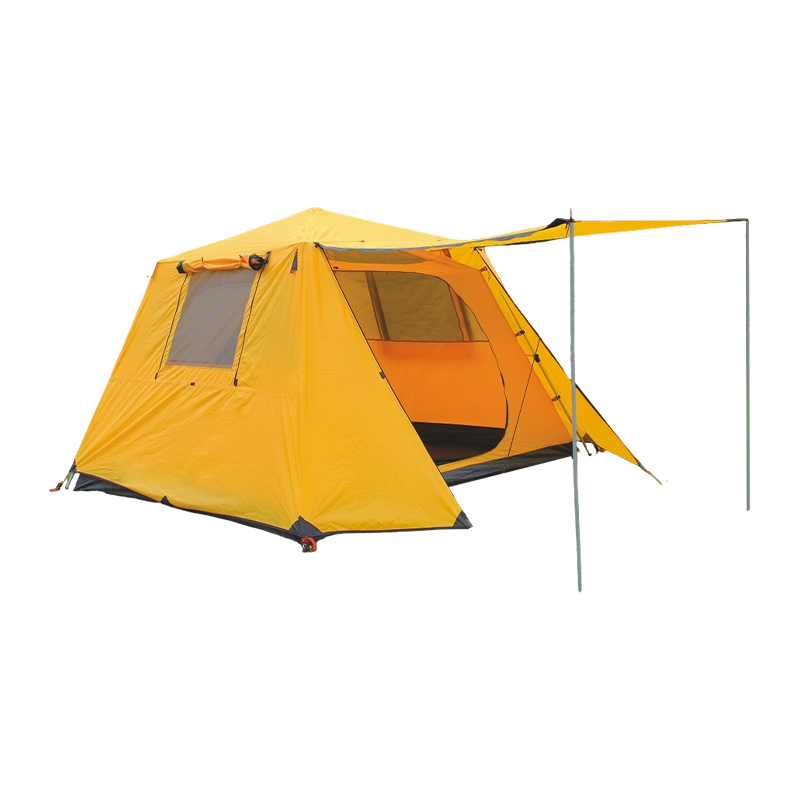
With the car nearby, weight hardly matters and space matters a great deal. Look for a double layer design with a full fly, a bathtub floor and enough vestibule space for wet boots and bags.
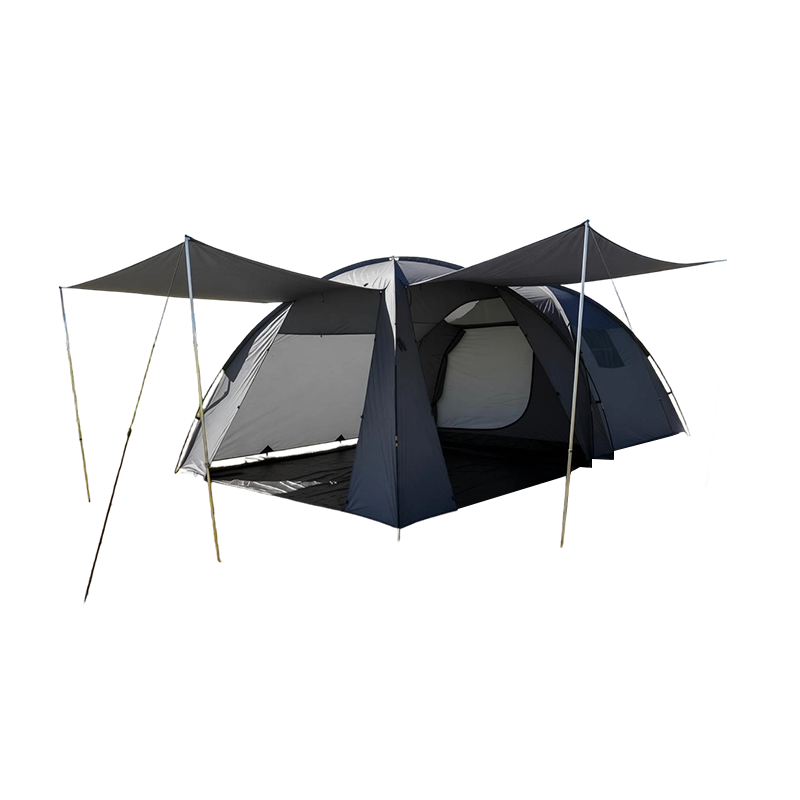 5-6 Person Family Waterproof Double-Layer Camping TentFor car camping where space matters, this 5-6 person double-layer tent offers a room-and-hall layout, waterproof outer fabric, breathable inner, and PE floor.View Product →
Backpacking and moving fast
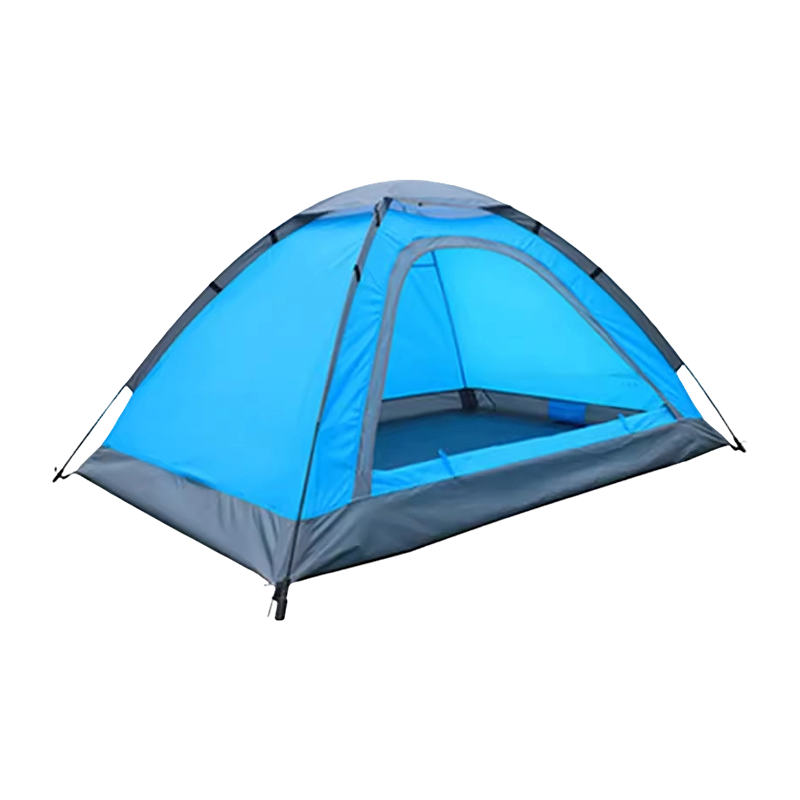
On the move, weight and packed size drive every decision. The best long-rain performers are lightweight double layer designs in silicone coated silnylon or ripstop, with factory taped seams and a small but well covered vestibule for cooking and gear.
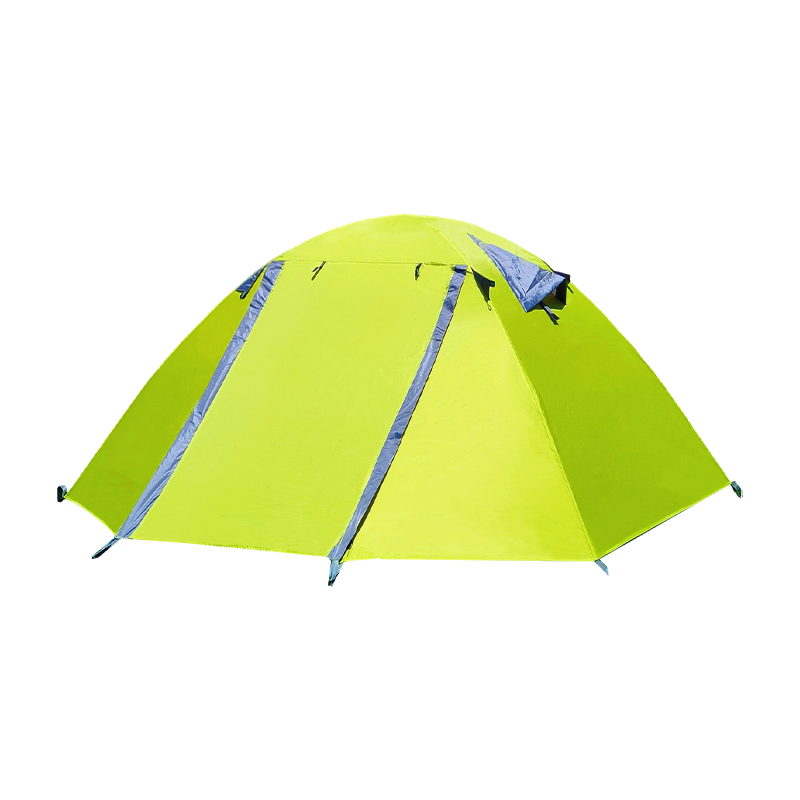 2-4 Person Waterproof Lightweight Backpacking and Hiking TentFor trips where packed size and weather protection matter, this 2-4 person tent uses PU-coated fabrics, aluminum poles, and mesh inner for backpacking.View Product →
Quick pitching and short weather windows
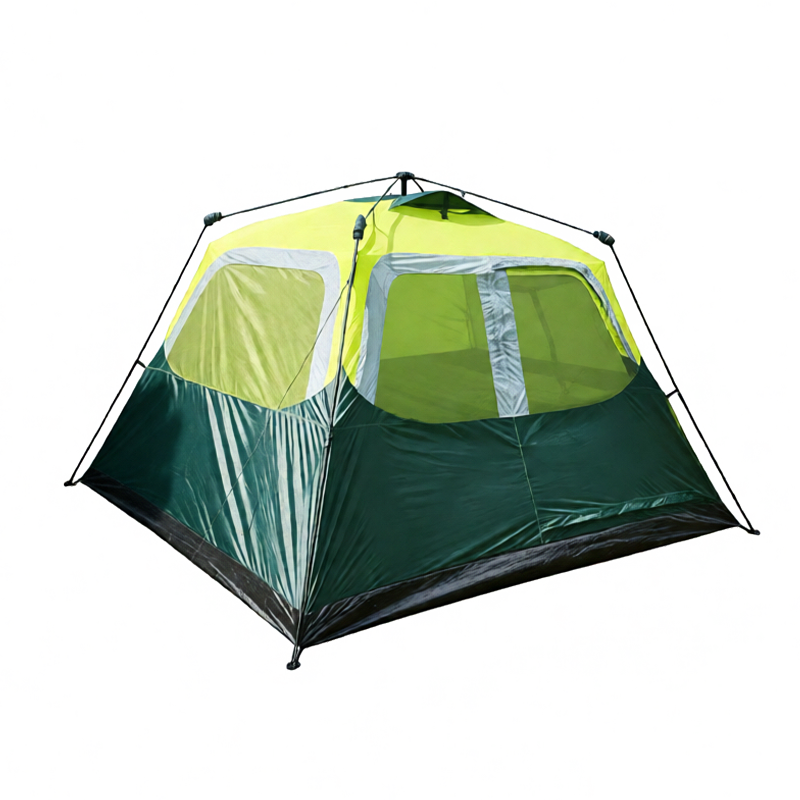
Automatic and pop up tents are a good answer when the sky is already grey. With the frame built in, they go up in a minute or two, and a boat shaped or hexagonal profile with a full fly handles a steady downpour far better than a basic festival tent.
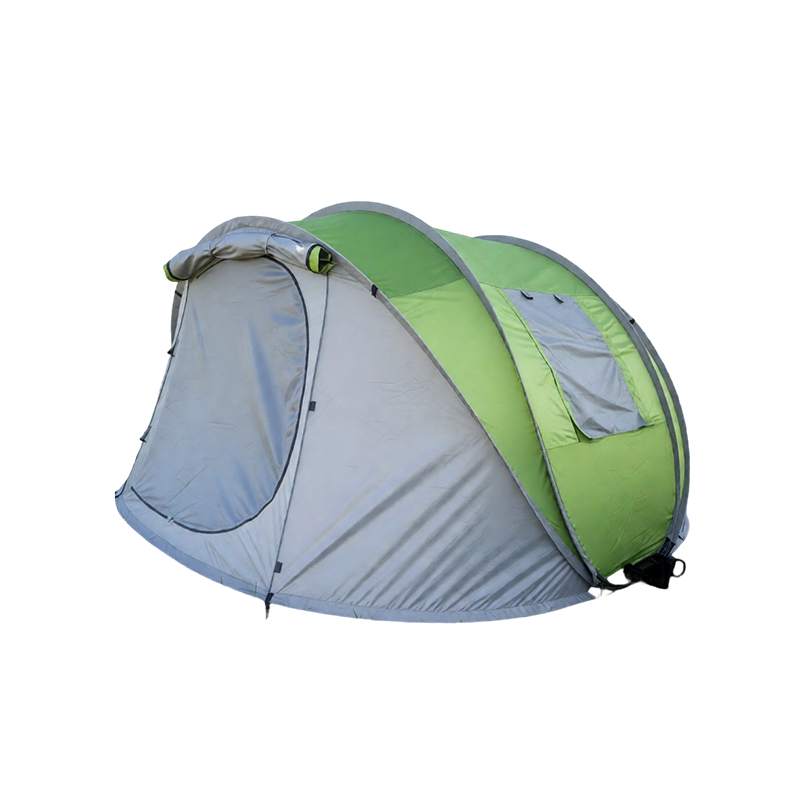 4 Person Automatic Boat-Shaped Waterproof Camping TentWhen rain threatens, this 4-person automatic boat-shaped tent offers quick setup, PU-coated outer fabric, breathable inner, and PE ground sheet for weekend camping.View Product →
Large groups and long stays
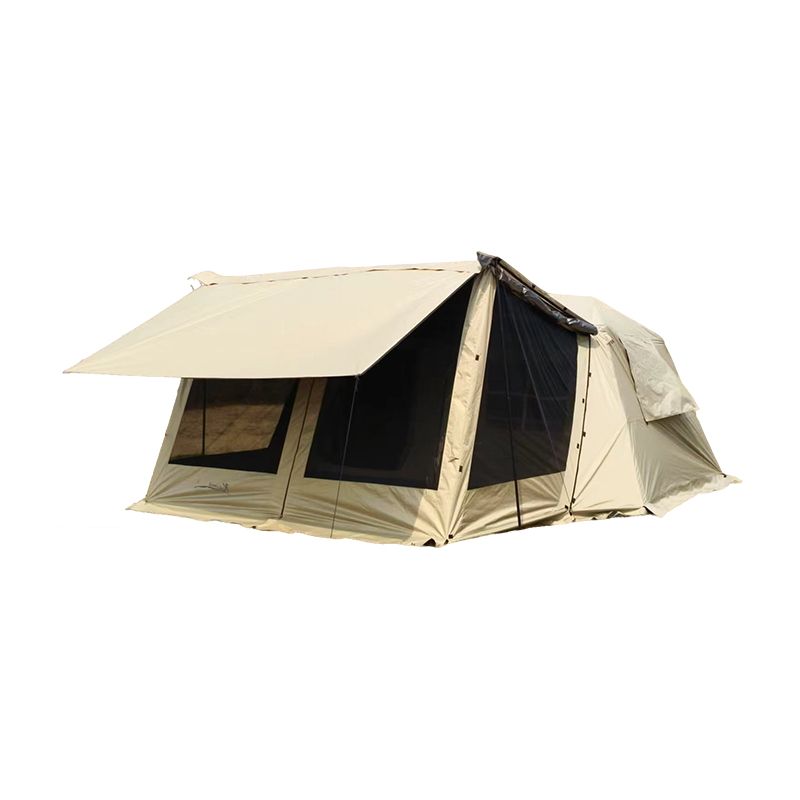
Inflatable tents have their own logic in wet weather: no poles to thread, generous covered space, and room for a group to sit out a long wet afternoon together. When the fly, seams and floor are properly built, they are genuinely weatherproof, and it is worth understanding how inflatable tents handle water before comparing them with pole tents.
Care That Keeps a Tent Rain Ready
A tent does not stay waterproof by itself. A little attention between trips makes a real difference.
- Dry the tent completely before storing it, even if that means pitching it in a garden for an afternoon.
- Clean with lukewarm water and mild soap, never detergent, and never in a washing machine.
- Refresh the water repellent coating every season or two, especially on the fly, where UV does most of the damage.
- Reapply seam sealant on older tents, and check every seam after a long trip.
- Store loosely rather than folded tight, and check pole sections and stake loops for wear.
Short Answers to Common Questions
Does a higher hydrostatic head always mean a drier night?
No. Seam quality, floor height, ventilation and pitching decide as much as the fabric rating.
Are single layer tents bad in rain?
Not necessarily, but they rely heavily on coatings and airflow. In cool, wet conditions a double layer design gives a much larger margin for error.
Do I need a footprint or groundsheet?
It protects the floor and helps the coating last. Just make sure it does not stick out beyond the fly, where it can collect rainwater.
Can a beach tent replace a camping tent in the rain?
No. Beach and day shelters are built for short stays in the sun, and using one as an overnight rain shelter rarely ends well.
None of this requires an expensive tent. It requires knowing which details decide whether you stay dry, and refusing to compromise on them: sealed seams, a sensible floor, a fly that reaches low, and ventilation that works when the windows are closed.
To see how these details come together in practice, take a look at the tents we build, from automatic and family models to lightweight hiking shelters and inflatable designs for larger groups.
-
02 Apr, 2026
Understanding Your Family’s Camping Needs Choosing the right camping tent starts with a clear understanding of your family’s actual needs. Many buyers make the ...READ MORE
-
02 Oct, 2026
A four-season tent is a specific piece of equipment, not a marketing upgrade. What keeps a shelter standing on an exposed ridge is not the label on the stuff s...READ MORE
-
25 Sep, 2026
Two in the morning. The tent walls are beaded with moisture, the sleeping bag feels damp, and the air inside is stale. This is a familiar scenario for campers ...READ MORE
-
18 Sep, 2026
You unzip the tent, and the smell hits you first: damp earth, condensation, and the faint sour note of a storm that passed two nights ago. A tent that has been...READ MORE
-
11 Sep, 2026
At a Saturday farmers market, two coffee stalls stand forty meters apart. One operates under a plain grey canopy. The other has its name, its brand colors and ...READ MORE
-
03 Sep, 2026
Two beach tents can look identical in a supplier's catalog and still behave nothing alike after three weekends on a windy shoreline. The cheaper one sags becau...READ MORE

-
+86-15867893553
- km@kaima-outdoor.com
- 6th Floor, Building 8, Wanyang Innovation City, Baifeng Street, Beilun District, Ningbo City, Zhejiang Province, China.
Copyright © Ningbo Kaima Outdoor Products Co., Ltd.All Rights Reserved.
 Custom Outdoor Lightweight/Packable Tent Manufacturers
