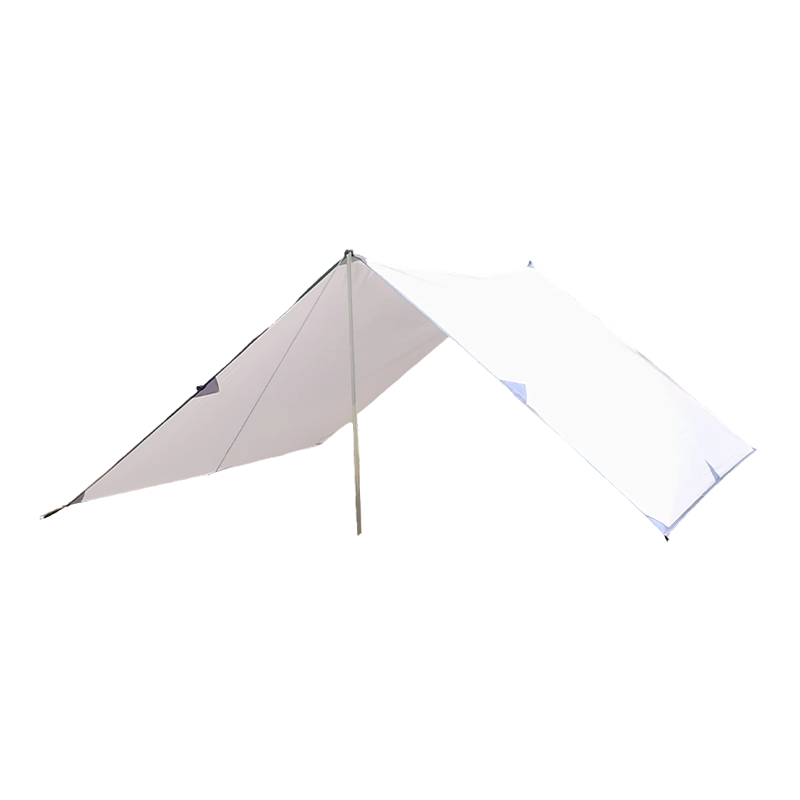
Safety Precautions for Outdoor Canopies: Preventing Tipping and Pinching
Understanding Canopy Stability
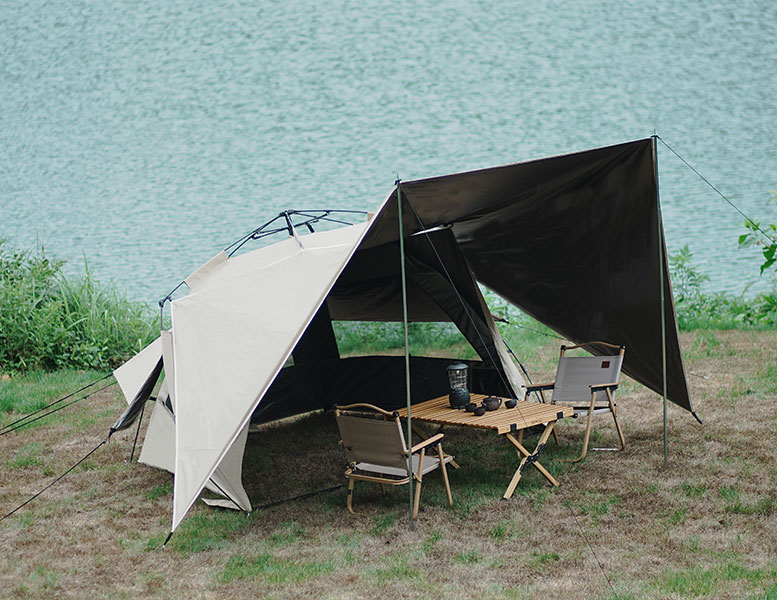
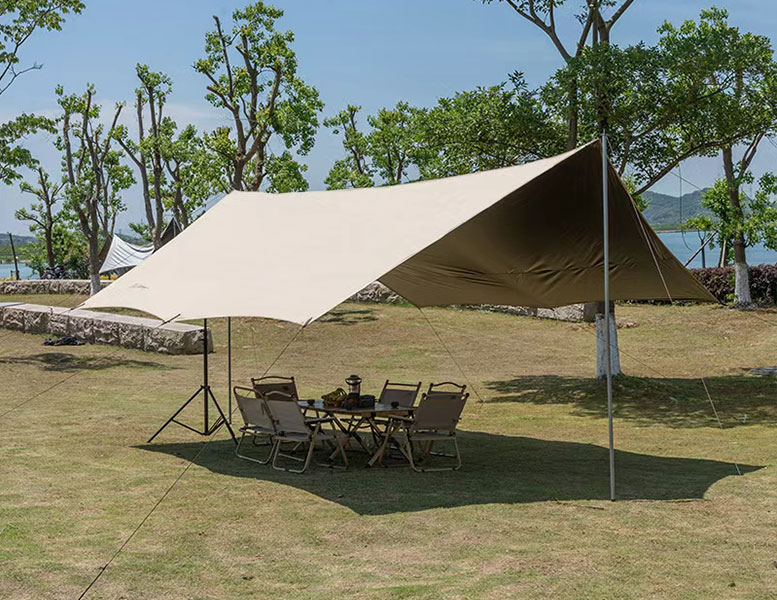
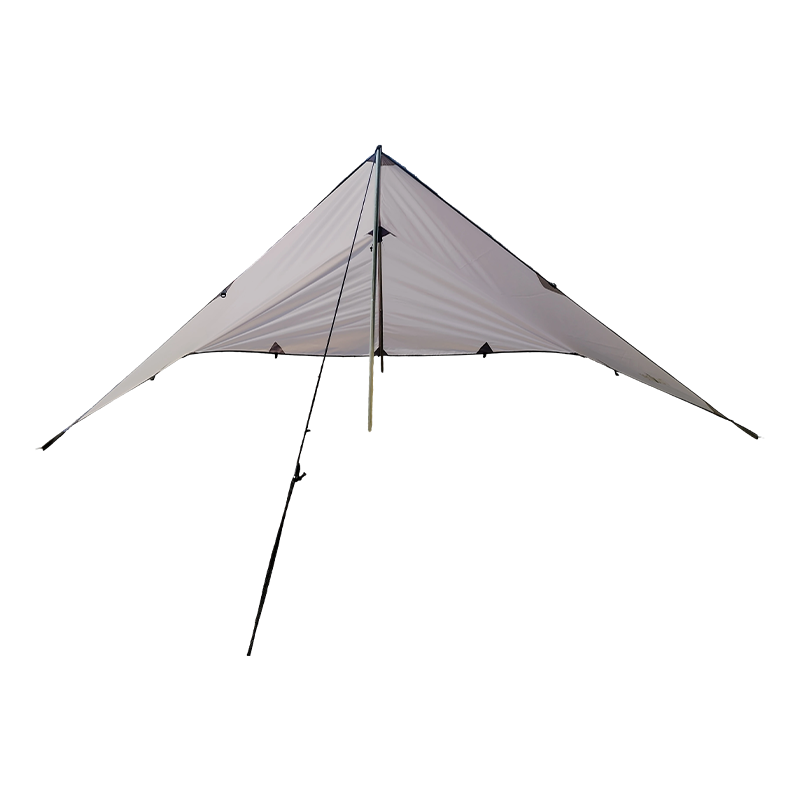
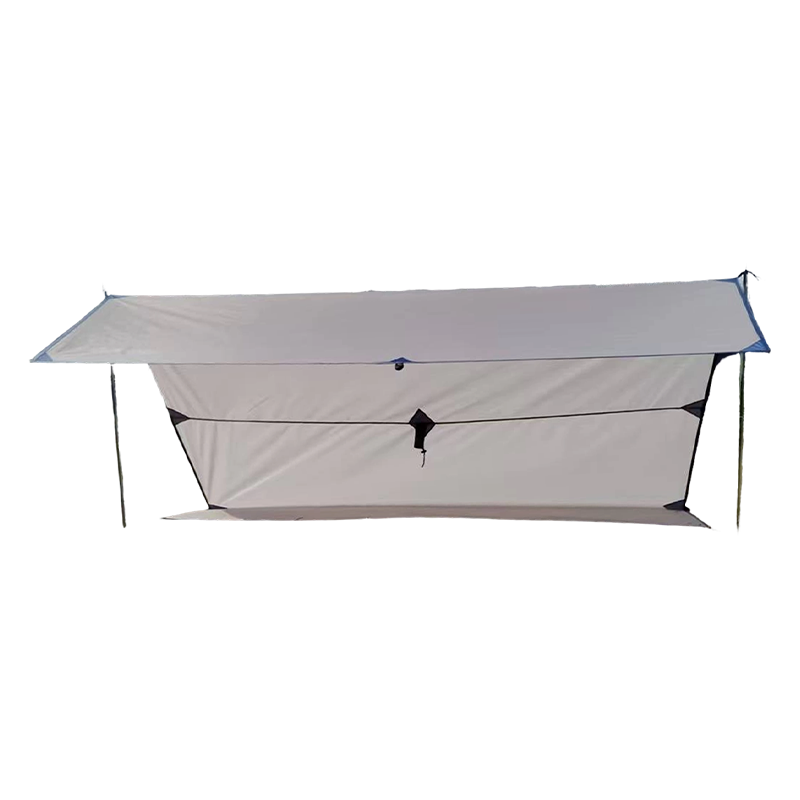
Outdoor canopies provide shade and shelter in various settings, but their structural design requires careful attention to prevent tipping. Stability depends on proper anchoring, even weight distribution, and secure assembly. Poles and joints must be correctly aligned and locked to maintain the canopy’s shape and prevent sudden collapse. Ningbo Kaima Outdoor Products Co., Ltd. designs their canopies with reinforced frames and practical assembly features to support safe usage in typical outdoor environments.
Proper Anchoring Techniques
Anchoring is crucial for preventing tipping, especially in windy conditions. Canopy legs should be secured using stakes, sandbags, or weighted bases, depending on the surface. On soft ground, long stakes provide deeper support, while on hard surfaces, heavy weights or specialized clamps can stabilize the frame. Ensuring each anchor point is correctly positioned minimizes the risk of the canopy moving or toppling unexpectedly.
Safe Assembly Practices
Assembly should be performed on a flat and stable surface. Avoid forcing poles or connectors, which could cause pinching or bending. Using two or more people during setup reduces strain and improves accuracy when inserting joints and adjusting tension. Check all locks and joints after assembly to ensure the canopy frame is fully engaged and secure before leaving it unattended.
Pinch-Point Awareness
Canopy frames include telescoping poles, hinges, and locking mechanisms that can create pinch points. Users should avoid placing fingers near joints during setup or adjustment. Using protective gloves and following the manufacturer’s instructions helps prevent injury. Design features in modern canopies, such as rounded edges and spring-assisted locks, reduce but do not eliminate the need for caution.
Comparison Table: Key Safety Measures
| Safety Aspect |
Recommended Action |
Reason |
| Anchoring |
Use stakes, sandbags, or weighted bases |
Prevents tipping in wind or uneven terrain |
| Assembly |
Follow instructions, use flat surface, have assistance |
Reduces risk of incorrect setup and structural instability |
| Pinch Points |
Wear gloves, keep hands clear of joints |
Prevents hand injuries during setup |
| Inspection |
Check joints, locks, and tension after assembly |
Ensures canopy frame is stable and secure |
| Environmental Awareness |
Do not use in extreme wind without additional support |
Reduces risk of tipping and damage to the canopy |
Environmental Considerations
Weather and terrain significantly affect canopy safety. Avoid using lightweight canopies in strong gusts without adequate anchoring. Uneven or sloped ground can create instability, so positioning the canopy on level surfaces is recommended. Shade from trees or nearby structures should not interfere with frame stability. Observing environmental factors prevents accidents and prolongs canopy life.
Maintenance and Inspection
Regular maintenance ensures safe operation. Check for bent poles, damaged joints, and worn connectors. Replace or repair damaged parts before use. Clean and lubricate moving parts as necessary to maintain smooth operation and reduce pinch risk. Ningbo Kaima Outdoor Products Co., Ltd. provides guidance on maintaining canopy frames to promote safe, reliable use over multiple outdoor seasons.
Practical Safety Tips for Users
Users should follow simple precautions such as keeping children away during setup, securing loose ropes and fabric, and avoiding overloading the canopy with decorations or hanging items. Awareness of these details minimizes accidents and enhances the overall safety and functionality of the canopy in outdoor events or recreational use.
FAQ
Q: How can the stability of an outdoor canopy be ensured in windy conditions?
A: Stability depends on proper anchoring using stakes, sandbags, or weighted bases. Ensuring even tension across all poles and securing guy lines improves resistance to wind. Ningbo Kaima Outdoor Products Co., Ltd. designs canopies with reinforced frames to support safer use in typical outdoor environments.
Q: What are the common pinch points on outdoor canopies, and how can they be avoided?
A: Telescoping poles, hinges, and locking mechanisms can create pinch points. Users should keep hands clear during setup, wear gloves if necessary, and follow the assembly instructions carefully. Proper awareness reduces the risk of minor injuries.
Q: How should an outdoor canopy be positioned to minimize tipping risks?
A: Place the canopy on level and stable ground whenever possible. Avoid slopes or uneven terrain, and ensure all legs are properly anchored. Observing these positioning practices reduces the likelihood of tipping and improves overall safety.
Q: What maintenance practices help maintain the safety of an outdoor canopy?
A: Regularly inspect poles, joints, and connectors for signs of wear or damage. Cleaning and lubricating moving parts, tightening loose connections, and replacing any compromised components contribute to safe operation. Guidance from Ningbo Kaima Outdoor Products Co., Ltd. supports proper maintenance routines.
Q: Are there environmental factors that users should consider when setting up a canopy?
A: Yes, wind, rainfall, and surrounding obstacles can affect canopy stability. Users should avoid setting up in extreme weather, keep the canopy away from overhanging branches, and ensure that the surroundings do not interfere with anchoring points. Awareness of environmental conditions improves safe usage.
Q: How does canopy design affect user safety during setup?
A: Features such as color-coded poles, rounded edges, and spring-assisted locks reduce setup complexity and pinch risk. Designs that provide intuitive assembly instructions make it easier for users to erect the canopy safely and efficiently.
Q: What precautions should be taken when storing an outdoor canopy after use?
A: Ensure the canopy is fully dry, fold it carefully to avoid bending poles, and store it in a cool, ventilated area. Proper storage prevents corrosion, maintains structural integrity, and ensures safe deployment during the next use.



 English
 Español
 русский
 Deutsch
 عربى
عربى