Lightweight Hiking Tents: Balancing Weight and Protective Performance
Understanding Lightweight Tent Design
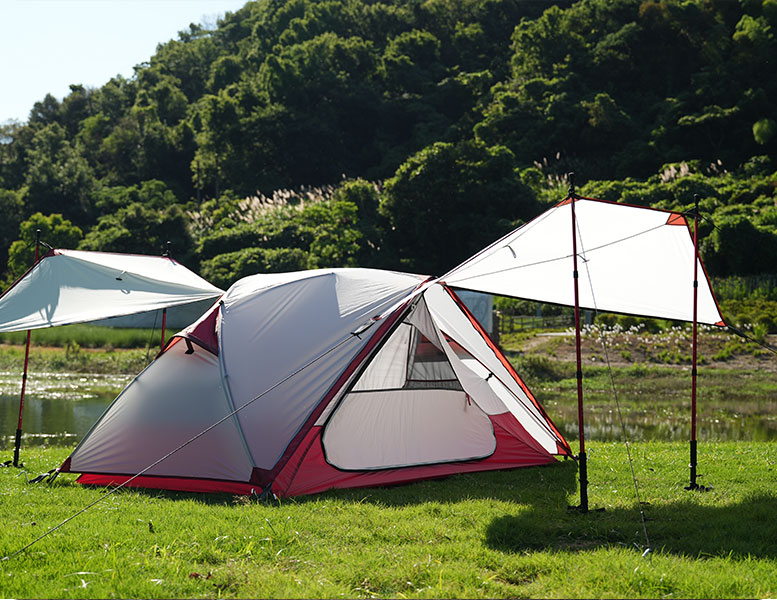
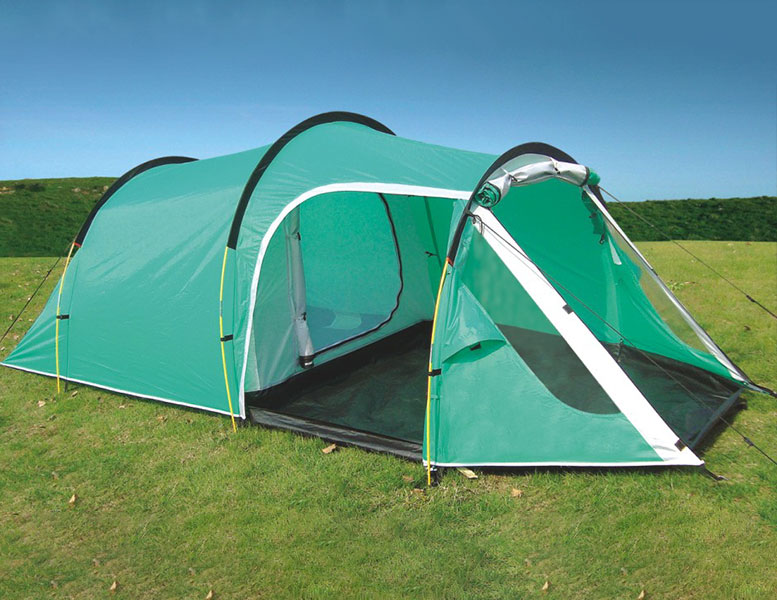
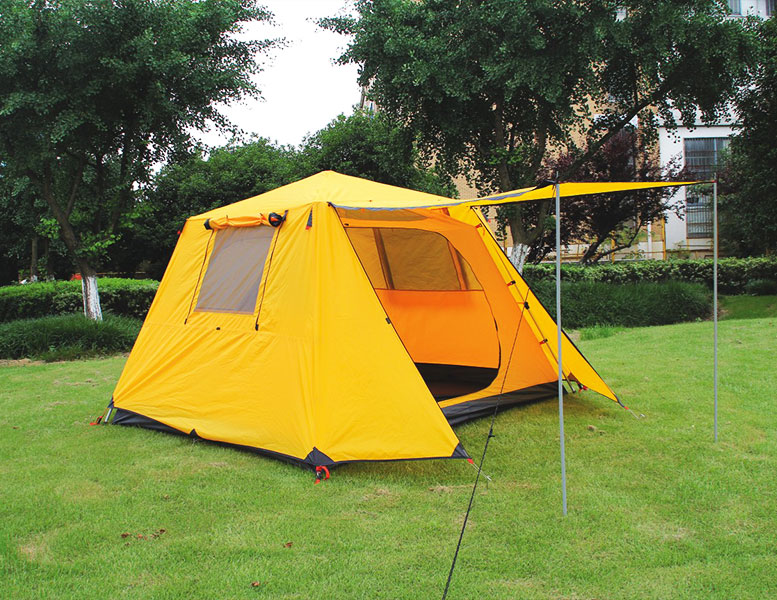
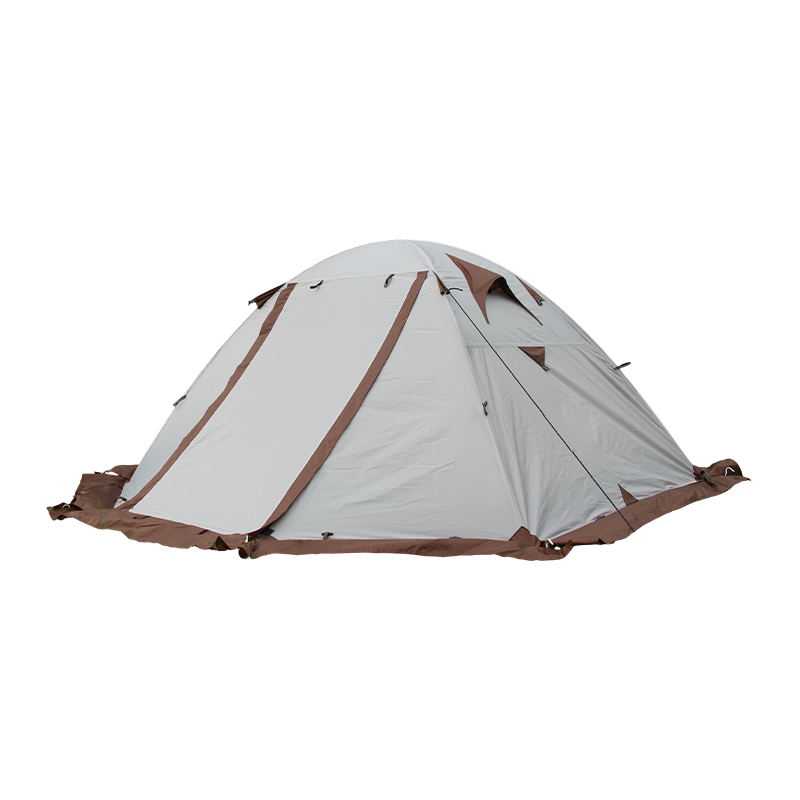
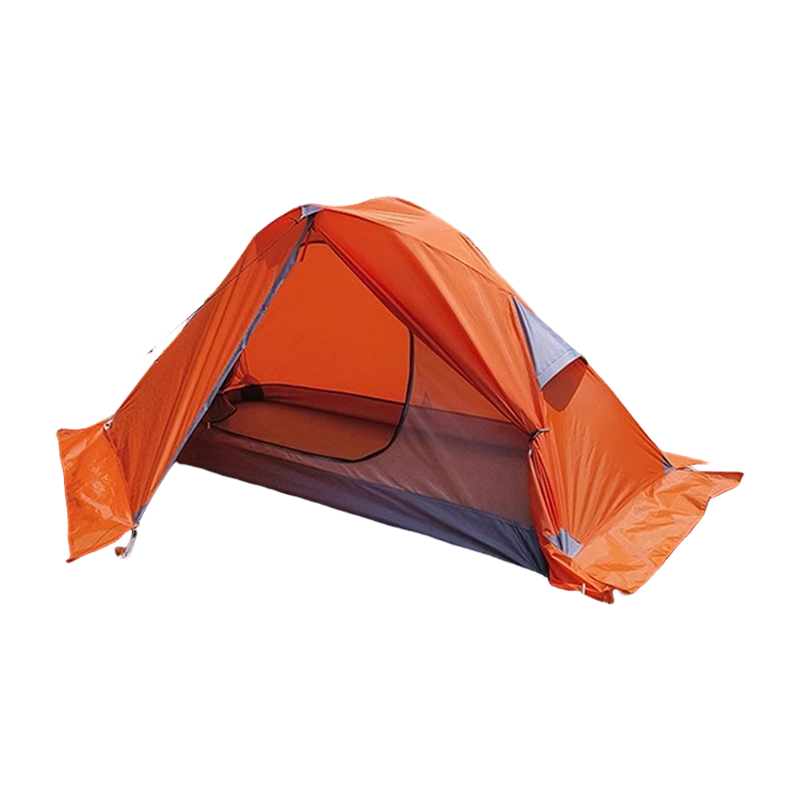
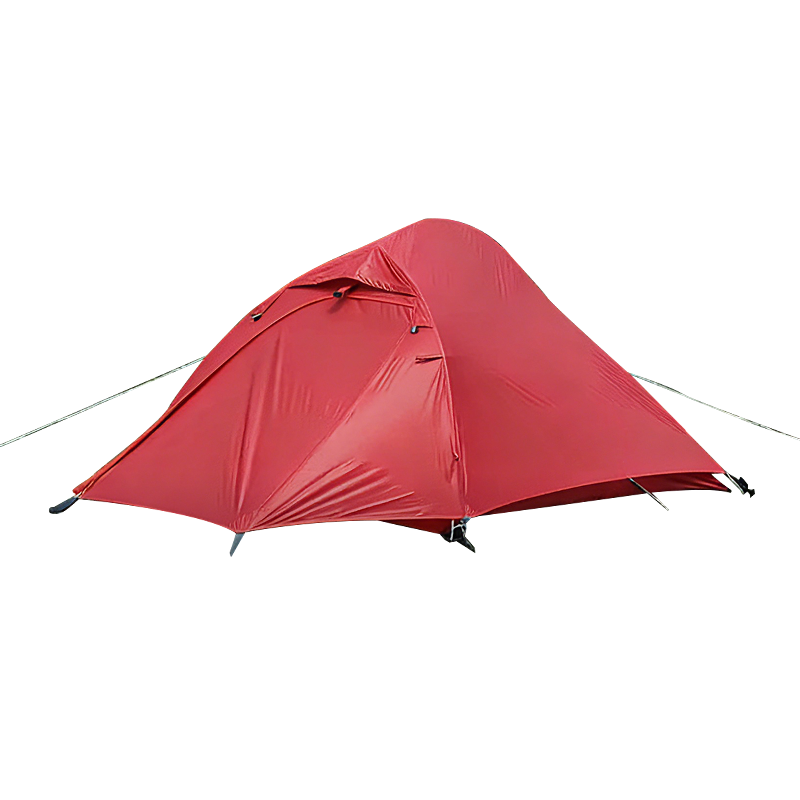
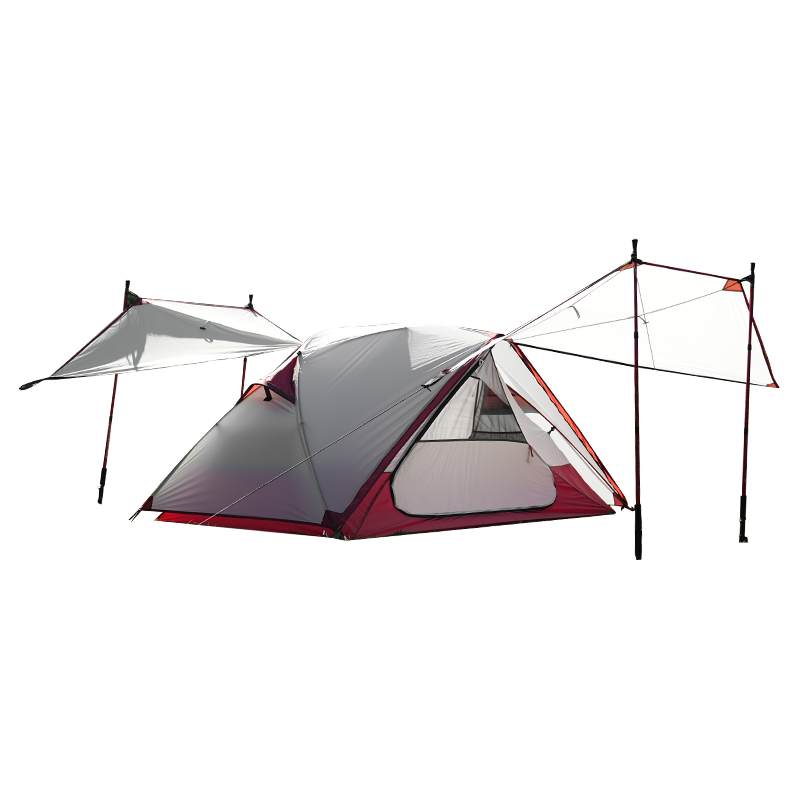
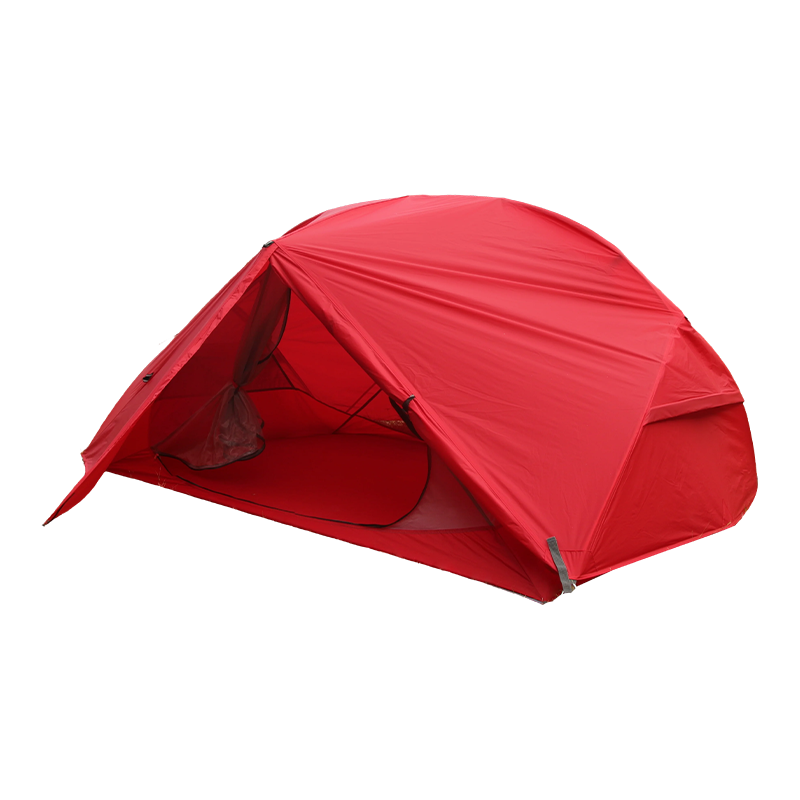
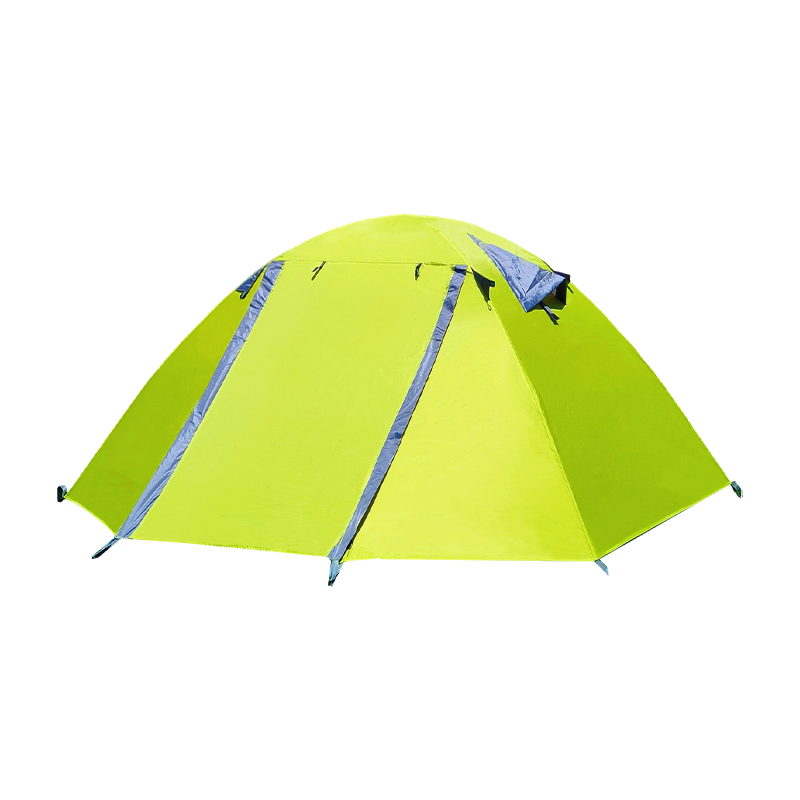
Lightweight hiking tents are designed to reduce the burden for backpackers while maintaining essential protective functions. Weight reduction is achieved through thinner fabrics, simplified structures, and minimal hardware. Materials such as high-tenacity nylon and polyester are chosen for their light weight and durability. Proper engineering ensures that these tents still provide protection against rain, wind, and UV exposure. Ningbo Kaima Outdoor Products Co., Ltd. combines over twenty years of design and manufacturing experience to develop lightweight tents that balance weight with functional performance.
Waterproofing Considerations
Reducing the weight of a tent does not necessarily compromise waterproofing. Lightweight tents use thinner fabric layers coated with polyurethane (PU) or silicone to repel water effectively. Hydrostatic head ratings measure the water pressure a fabric can withstand before leaking. Seams are often reinforced with taping or heat sealing to prevent water ingress. These design choices allow lightweight tents to maintain reliable waterproof performance while remaining easy to carry.
UV Resistance and Material Durability
UV exposure can degrade fabrics over time, causing fiber weakening and color fading. Lightweight materials are thinner and may be more sensitive to sunlight. UV stabilizers and carefully selected fabric colors help maintain durability. Dense weaves provide additional protection, ensuring that the tent maintains structural integrity and appearance during extended outdoor use.
Abrasion Resistance in Lightweight Tents
Abrasion resistance is crucial for tent longevity, especially with lighter fabrics. Reinforced weaves, ripstop patterns, and protective coatings reduce tearing and wear. High-stress areas, including floors, corners, and guyline attachment points, receive additional reinforcement. These measures help lightweight tents remain functional even in rugged terrain, without significantly increasing weight.
Structural Stability and Wind Resistance
Lightweight tents often use thinner poles or simplified frame systems, which could affect stability. High-strength aluminum or composite poles provide rigidity while minimizing weight. Tensioning and geometric design optimize wind resistance, allowing tents to maintain shape under typical hiking conditions. Careful pole placement and triangulated structures ensure stability without compromising portability.
Comparison of Lightweight and Standard Hiking Tents
| Property |
Lightweight Hiking Tent |
Standard Hiking Tent |
| Weight per Person (kg) |
1.0–2.5 |
2.5–4.5 |
| Fabric Thickness (Denier) |
15–30 |
30–50 |
| Hydrostatic Head (mm) |
1,500–3,000 |
2,500–5,000 |
| UV Resistance |
Moderate |
Moderate to High |
| Abrasion Resistance |
Moderate |
Moderate to High |
| Pole Material |
Aluminum or Composite |
Aluminum or Fiberglass |
Maintenance and Longevity
Proper maintenance is important for preserving the protective properties of lightweight tents. Cleaning with mild soap and water, drying completely before storage, and avoiding prolonged sun exposure help maintain waterproofing, UV resistance, and abrasion resistance. Using ground sheets and careful handling prevents unnecessary wear. Guidance provided by Ningbo Kaima Outdoor Products Co., Ltd. supports users in maintaining lightweight tents to ensure consistent performance over multiple seasons.
Practical Implications for Hikers
Lightweight tents allow hikers to reduce carrying weight and improve mobility during multi-day treks. Through careful selection of materials, reinforcement of high-stress areas, and optimized structural design, lightweight hiking tents can provide sufficient protection without excessive weight, enabling hikers to move efficiently while remaining sheltered from environmental conditions.
FAQ
Q: How does the reduced weight of a lightweight hiking tent affect its performance in different weather conditions?
A: Lightweight hiking tents are designed to minimize weight while maintaining functional protection. High-strength fabrics and specialized coatings preserve waterproofing and wind resistance. Ningbo Kaima Outdoor Products Co., Ltd. applies over twenty years of experience in tent design to ensure their lightweight tents perform reliably in rain, wind, and sun exposure.
Q: Can lightweight tents provide sufficient durability for extended use in rugged terrains?
A: Yes, lightweight tents incorporate reinforced fabrics, ripstop weaves, and protective coatings to withstand abrasion and repeated setup. Key areas such as floors, corners, and attachment points are strengthened to maintain durability during multiple outdoor trips.
Q: What design features help lightweight tents maintain structural stability?
A: Structural stability is achieved through high-strength aluminum or composite poles, proper tensioning, and optimized geometric designs. These features allow lightweight tents to resist wind loads and maintain their shape while keeping the overall weight low.
Q: How do lightweight tents manage UV exposure and fabric aging?
A: UV-stabilized fabrics and treatments help reduce degradation from sunlight. Dense weaves and carefully selected fabric colors help maintain structural integrity and appearance over time, supporting extended outdoor use.
Q: Are lightweight tents more difficult to maintain than standard tents?
A: Maintenance is straightforward. Cleaning with mild soap and water, drying completely before storage, and avoiding prolonged sun exposure help preserve waterproofing, UV resistance, and abrasion resistance. Ningbo Kaima Outdoor Products Co., Ltd. provides guidance for proper care to ensure tents retain their protective performance.
Q: How do lightweight tents balance portability with protection against environmental elements?
A: By selecting durable materials, reinforcing high-stress areas, and optimizing structural design, lightweight tents achieve minimal weight without compromising protection, allowing hikers to carry tents comfortably while maintaining essential shielding from weather and terrain.
Q: What factors should be considered when selecting a lightweight hiking tent for frequent use?
A: Key considerations include fabric durability, waterproofing, UV resistance, structural stability, and ease of setup. Well-designed lightweight tents combine these features to provide practical protection and convenience for regular hiking and camping activities.



 English
 Español
 русский
 Deutsch
 عربى
عربى