Setup Time and Ease of Operation: Automatic vs. Traditional Manual Tents
Overview of Tent Setup Methods
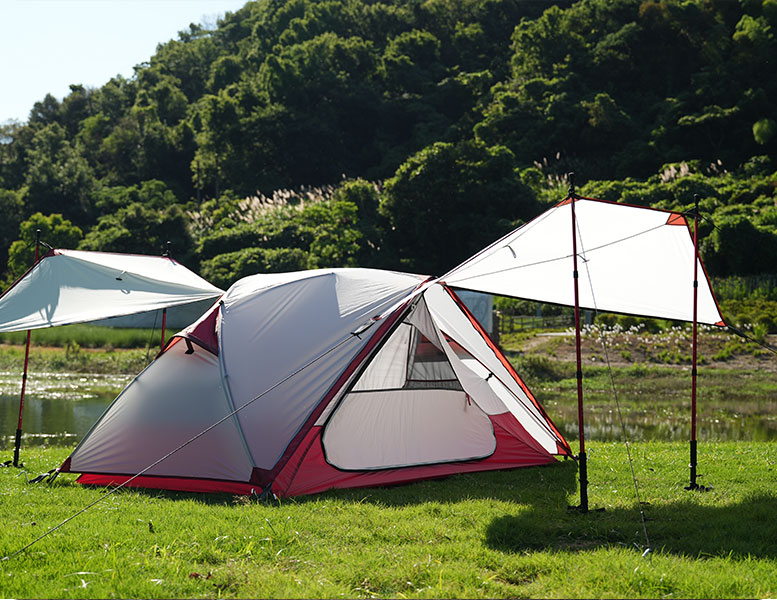
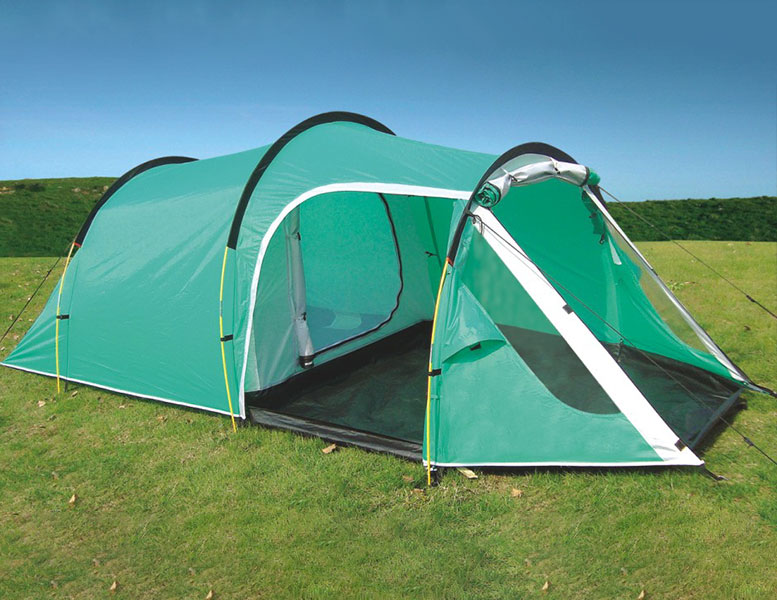
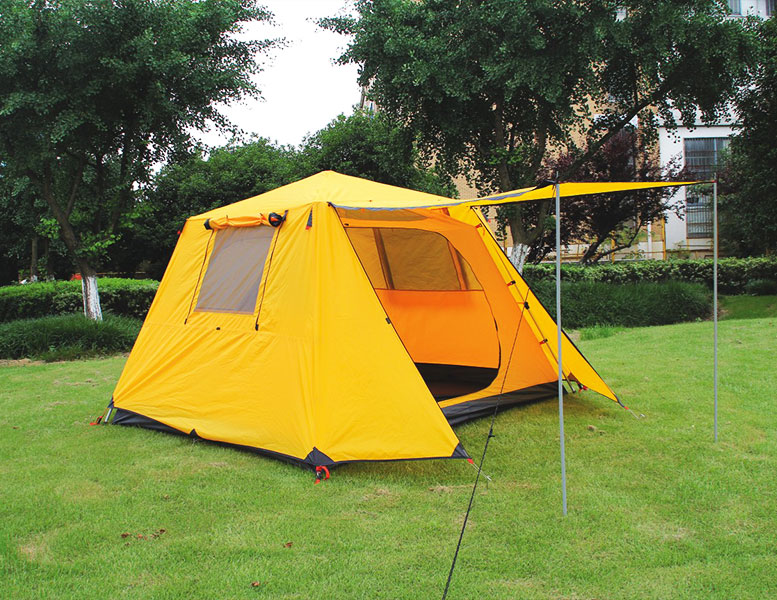
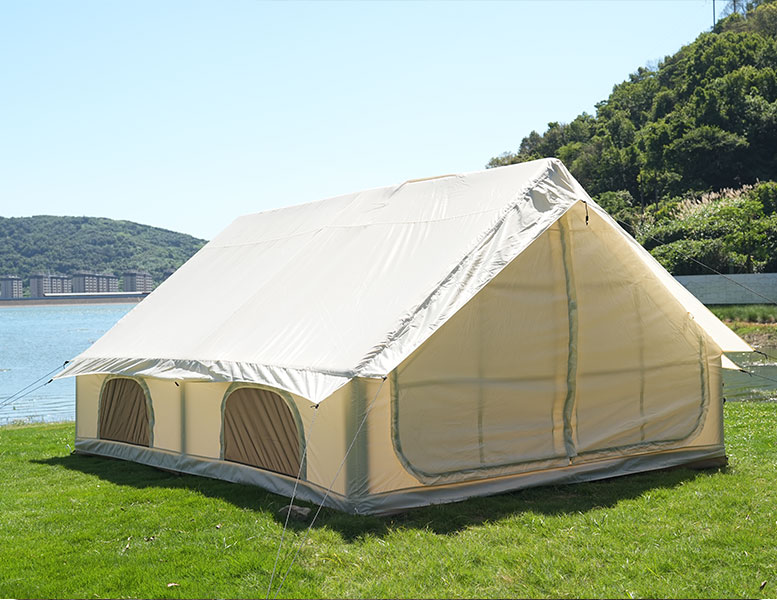
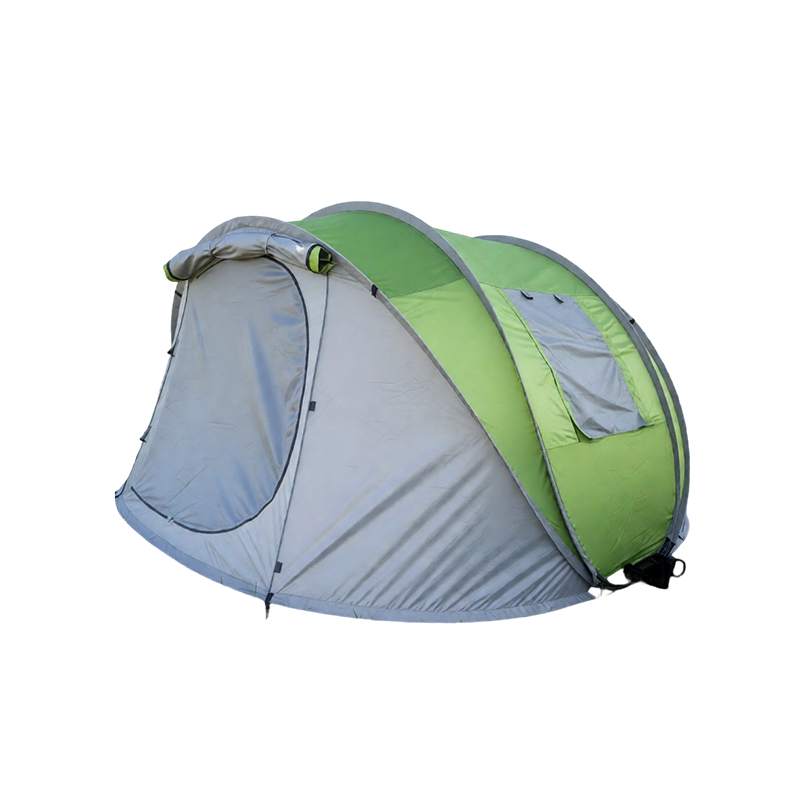
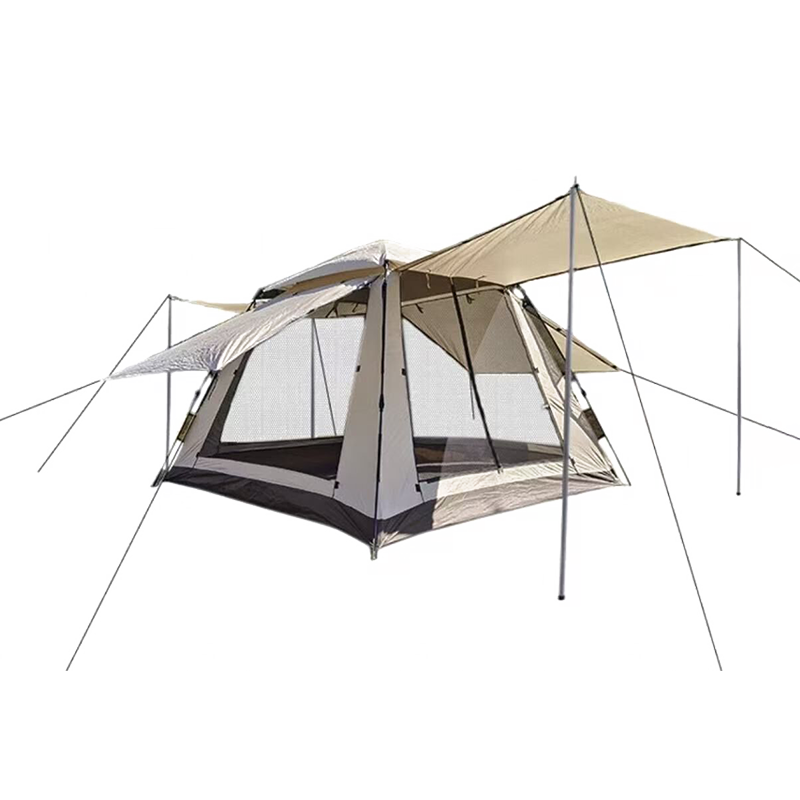
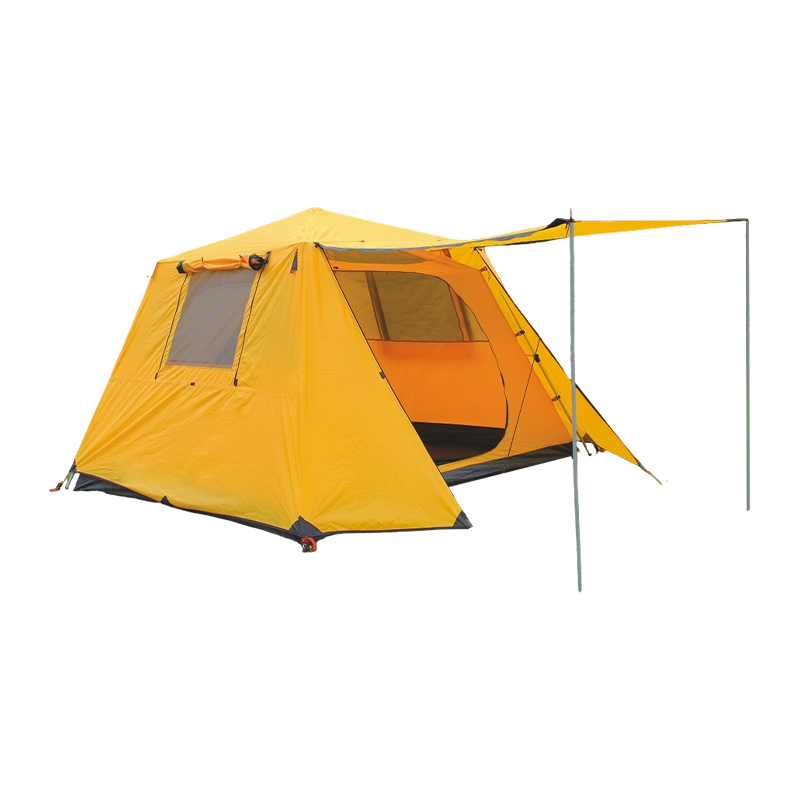
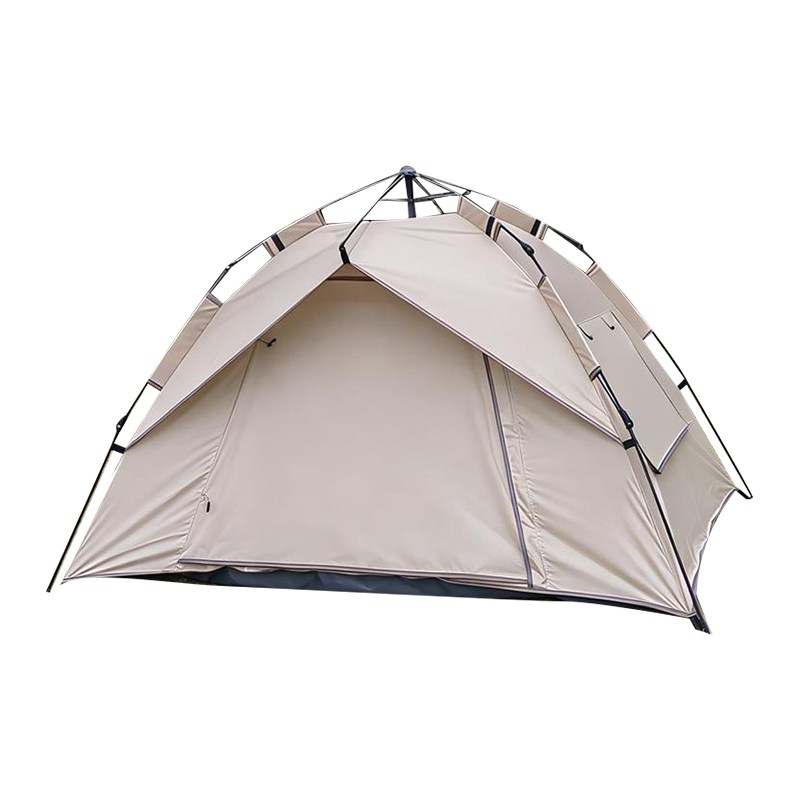
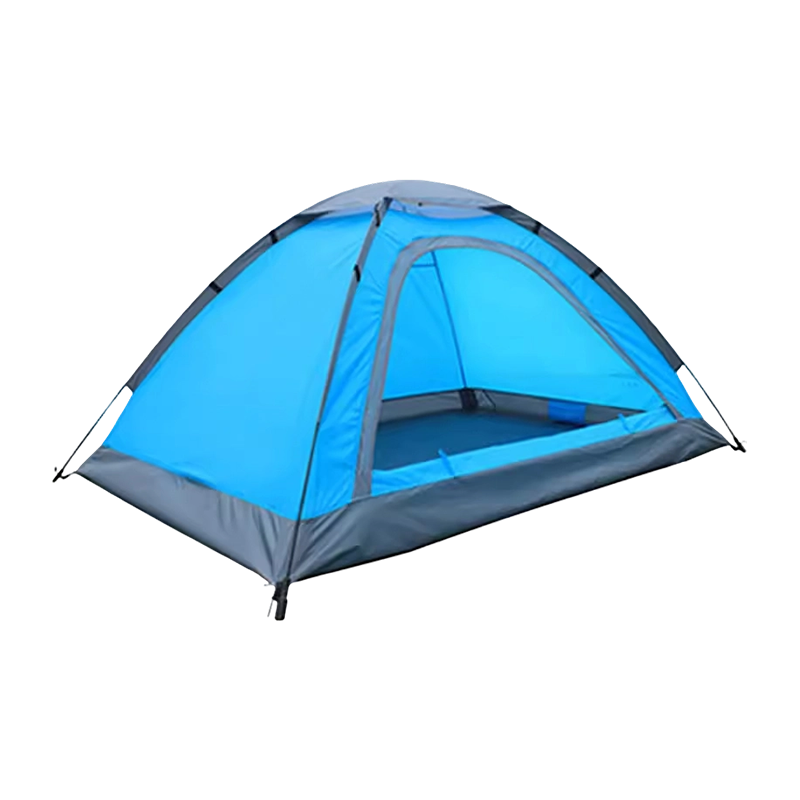
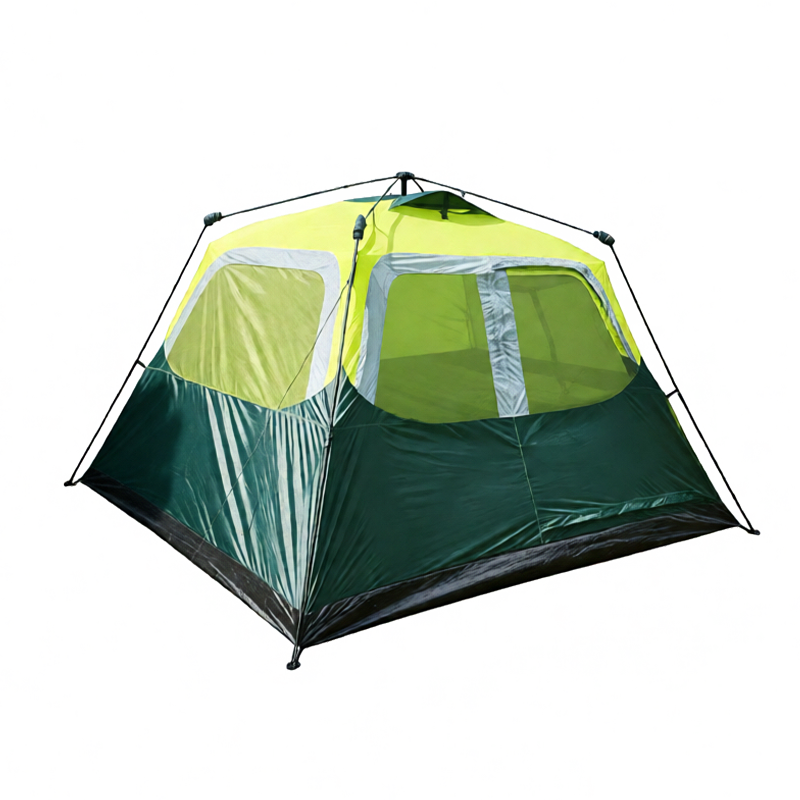
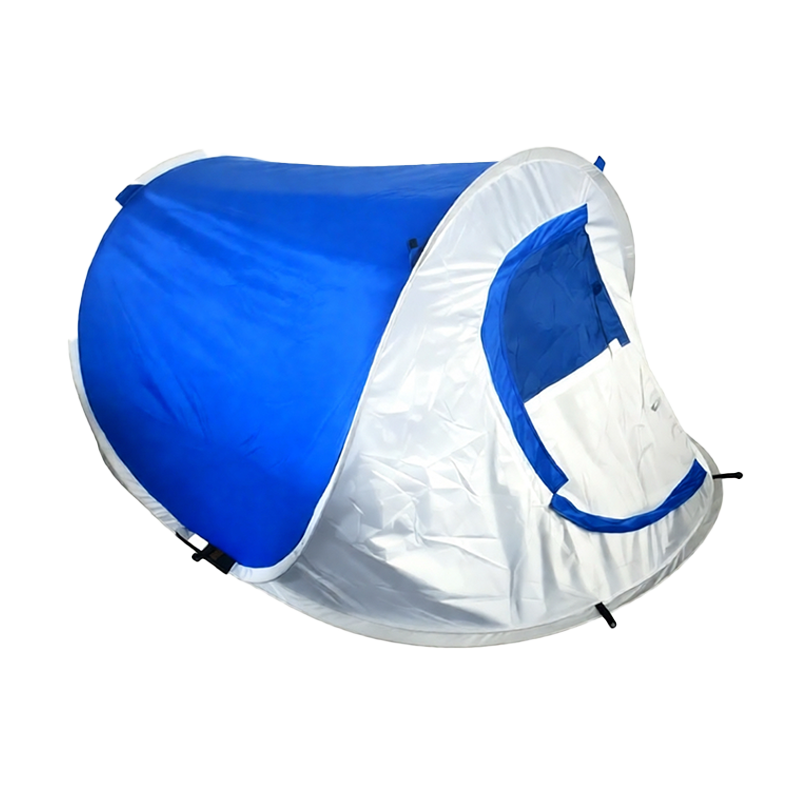
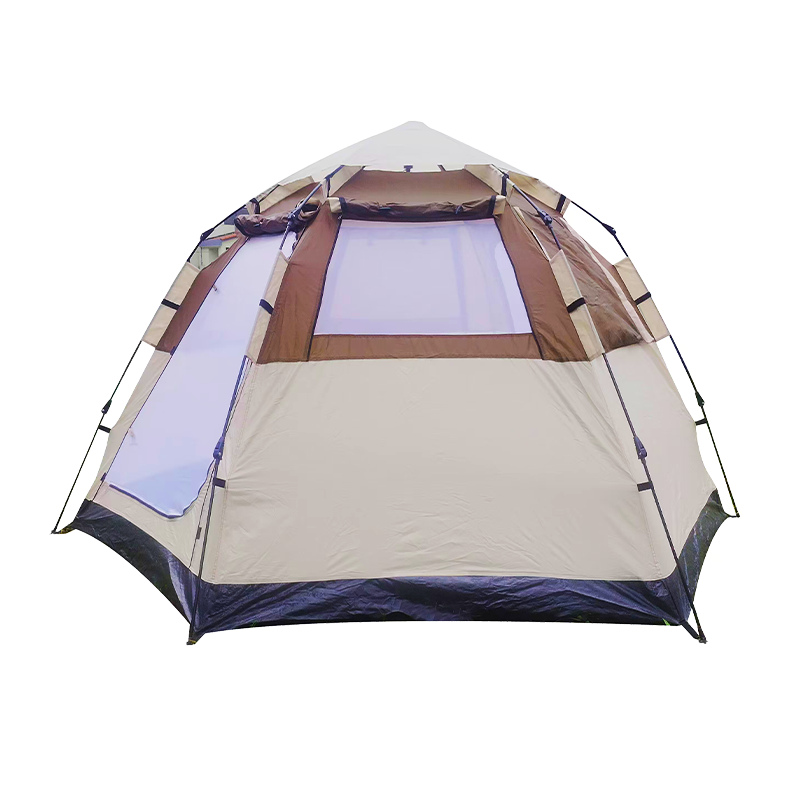
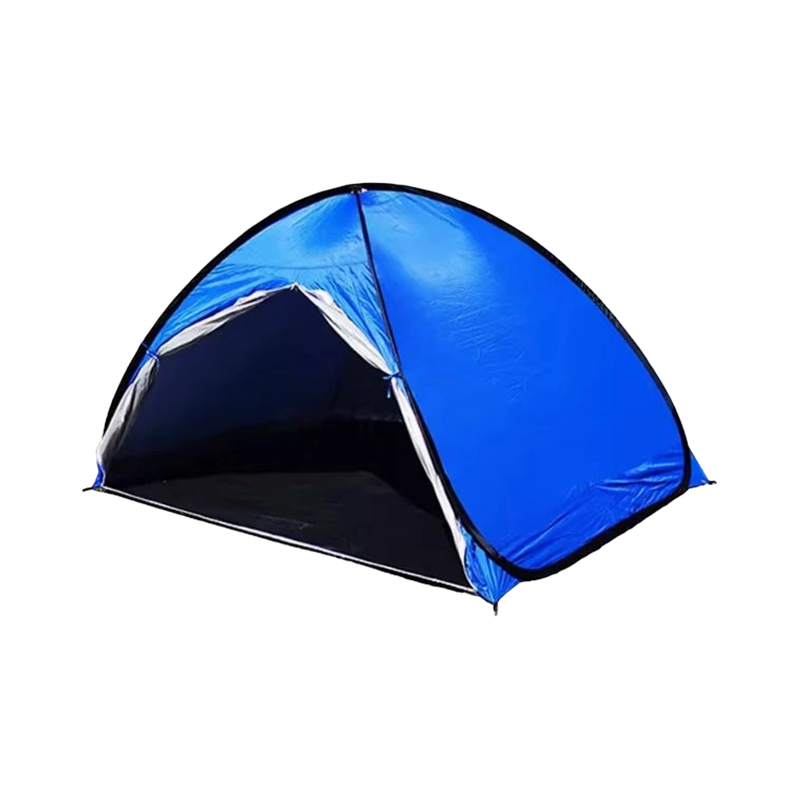
Tent setup methods can significantly affect the time and effort required to establish a campsite. Traditional manual tents rely on multiple poles, clips, and tensioning techniques, requiring careful alignment and assembly. In contrast, automatic tents use pre-attached poles or spring-assisted frames that expand and lock into place, reducing the number of manual steps. Ningbo Kaima Outdoor Products Co., Ltd. has designed both automatic and manual tents with attention to user convenience and reliability, reflecting decades of experience in tent engineering.
Setup Time Comparison
Automatic tents are designed to minimize setup time. Many models can be erected in less than two minutes, making them suitable for situations where speed is important, such as sudden weather changes or arriving at a campsite late. Manual tents generally take longer, often between five to fifteen minutes, depending on tent size and complexity. The increased time results from aligning poles, securing stakes, and adjusting tension to maintain structural stability.
Ease of Operation
Ease of operation involves not only speed but also the physical effort and complexity of the setup process. Automatic tents reduce manual handling and require fewer individual components, making them more accessible for beginners or users with limited experience. Manual tents demand a greater understanding of pole placement, fabric tension, and anchoring techniques. Training or practice can improve efficiency, but the learning curve is generally steeper compared to automatic models.
Material and Design Considerations
Both automatic and manual tents use lightweight, durable fabrics and poles to maintain protection while minimizing weight. Automatic tents often incorporate pre-bent or telescopic poles to facilitate rapid deployment. Manual tents may use separate pole sections, which require assembly but allow more flexibility in configuring tent shape and internal layout. The choice of materials, coatings, and pole design influences both the setup time and operational ease, affecting the overall camping experience.
Comparison Table: Automatic vs. Manual Tent Setup
| Feature |
Automatic Tent |
Manual Tent |
| Average Setup Time |
1–3 minutes |
5–15 minutes |
| Number of Components |
Few, often pre-attached |
Multiple poles, clips, and stakes |
| Ease for Beginners |
High, minimal experience needed |
Moderate, requires practice |
| Flexibility in Tent Configuration |
Limited |
Moderate to High |
| Portability |
Lightweight, compact |
Varies by design |
Maintenance and Longevity Considerations
Ease of setup also affects maintenance. Automatic tents include integrated mechanisms, which may require careful handling and occasional lubrication to maintain smooth operation. Manual tents have simpler components but can experience wear in the fabric, poles, or clips if assembled incorrectly or under tension. Proper care, storage, and handling contribute to long-term performance and are part of the design guidance provided by Ningbo Kaima Outdoor Products Co., Ltd.
Practical Implications for Outdoor Use
The differences in setup time and operation ease influence camping strategies. Automatic tents are suitable for users prioritizing quick deployment and minimal assembly effort, such as short-term campers, families, or urban camping scenarios. Manual tents offer more flexibility and may be preferred by hikers or campers who need to customize layout or maximize interior space. Understanding these distinctions allows users to select the tent type that best fits their needs, ensuring efficiency and comfort during outdoor activities.
Design Evolution and User Considerations
Advancements in tent technology continue to refine both automatic and manual models. Automatic tents benefit from improved pole materials and locking mechanisms, while manual tents see innovations in lightweight fabrics and modular pole systems. Ningbo Kaima Outdoor Products Co., Ltd. integrates these developments into its product line, ensuring that tents meet diverse user requirements for portability, setup efficiency, and functional performance.
FAQ
Q: How does the setup time of an automatic tent compare to a traditional manual tent?
A: Automatic tents are designed to reduce setup time by using pre-attached poles or spring-assisted frames. This allows the tent to be erected quickly, often in just a few minutes, while manual tents typically require more steps and practice to assemble. Ningbo Kaima Outdoor Products Co., Ltd. applies careful engineering to ensure their automatic tents are simple to deploy while maintaining reliable structural support.
Q: Are automatic tents suitable for frequent outdoor trips and varied terrains?
A: Yes, automatic tents are designed to be durable and functional across different outdoor environments. They maintain stability and protection while being easy to set up and pack. The materials and pole systems used are selected to balance lightweight design with sufficient resistance to wind and rain.
Q: How do automatic tents perform in adverse weather conditions?
A: Automatic tents incorporate reinforced poles, tensioned fabric, and waterproof coatings to maintain protection in rain, wind, or moderate snow. The quick deployment system ensures that the tent can be erected promptly during sudden weather changes, providing shelter without requiring extensive manual effort.
Q: What maintenance considerations are specific to automatic tents?
A: Automatic tents may include integrated mechanisms such as spring-assisted poles or locking joints. Proper care, including cleaning, drying, and occasional inspection of the mechanical parts, helps ensure consistent performance over time. Guidance from Ningbo Kaima Outdoor Products Co., Ltd. supports users in maintaining these tents for longevity.
Q: How portable are automatic tents compared to traditional tents?
A: Automatic tents are designed to be lightweight and compact, often with integrated folding poles that minimize bulk. This makes them easy to carry for hiking, camping, or short trips. Despite the added mechanism for rapid setup, careful design ensures portability is not compromised.
Q: Do automatic tents offer the same interior space and comfort as manual tents?
A: Automatic tents vary in size and layout, but many models provide comparable interior space to manual tents of similar weight class. Design considerations include maximizing usable floor area and headroom while keeping setup mechanisms efficient and lightweight.
Q: Can beginners easily operate an automatic tent?
A: Yes, automatic tents are particularly suitable for users with limited experience. The pre-attached poles and simplified setup reduce the learning curve, making it straightforward to erect the tent quickly and correctly without prior practice.



 English
 Español
 русский
 Deutsch
 عربى
عربى