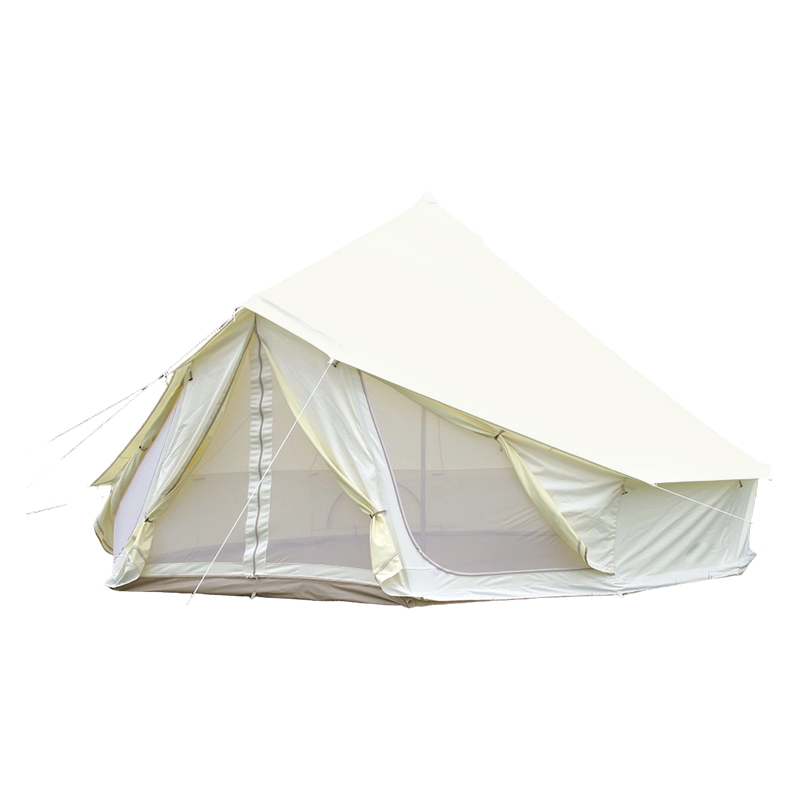
Considerations for Carrying Camping Tents: Weight, Size, and Portability
Understanding Tent Weight and Size
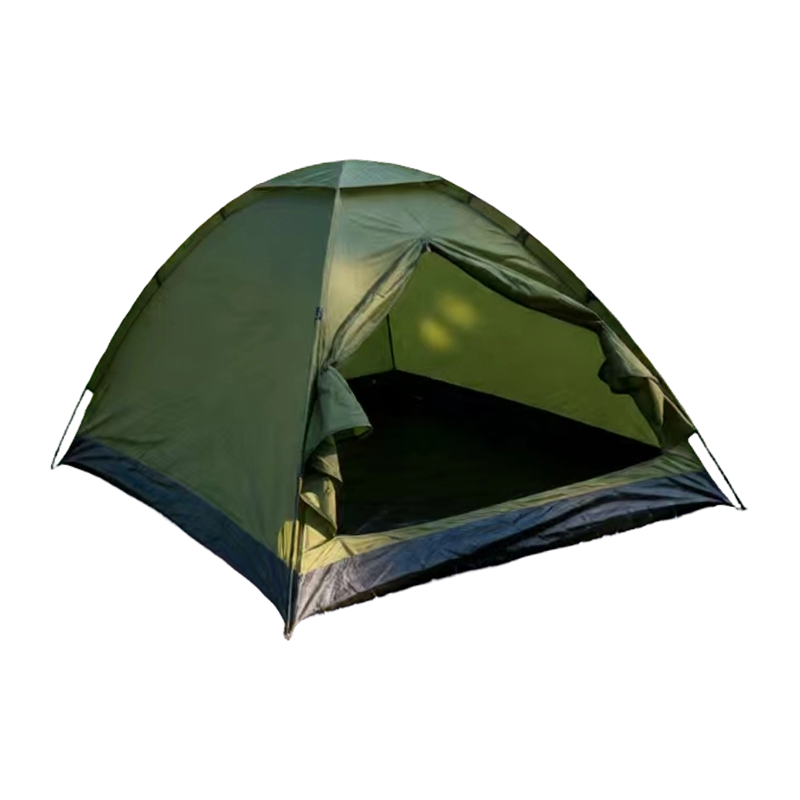
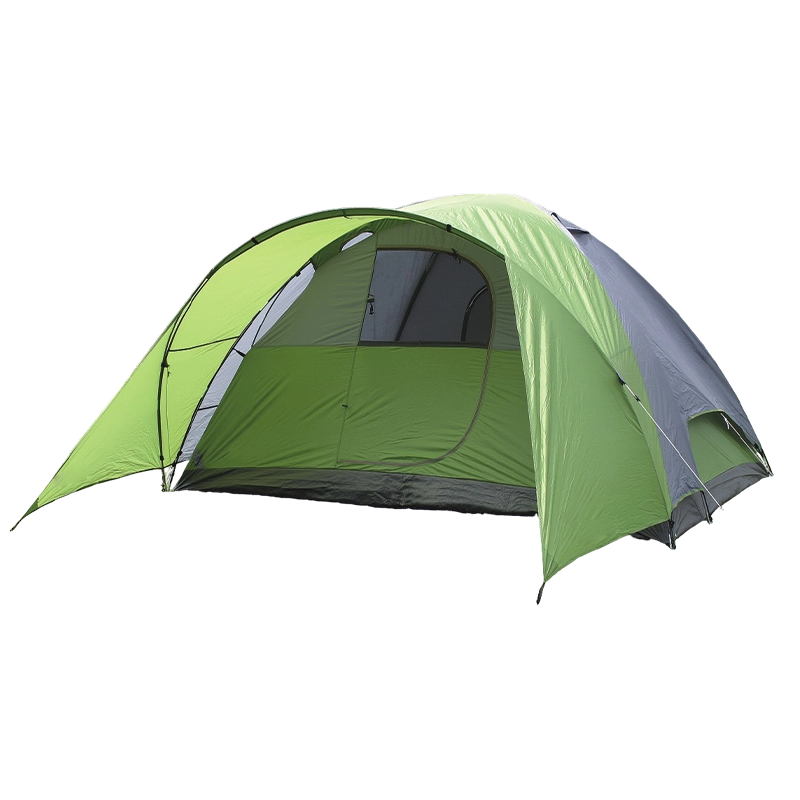
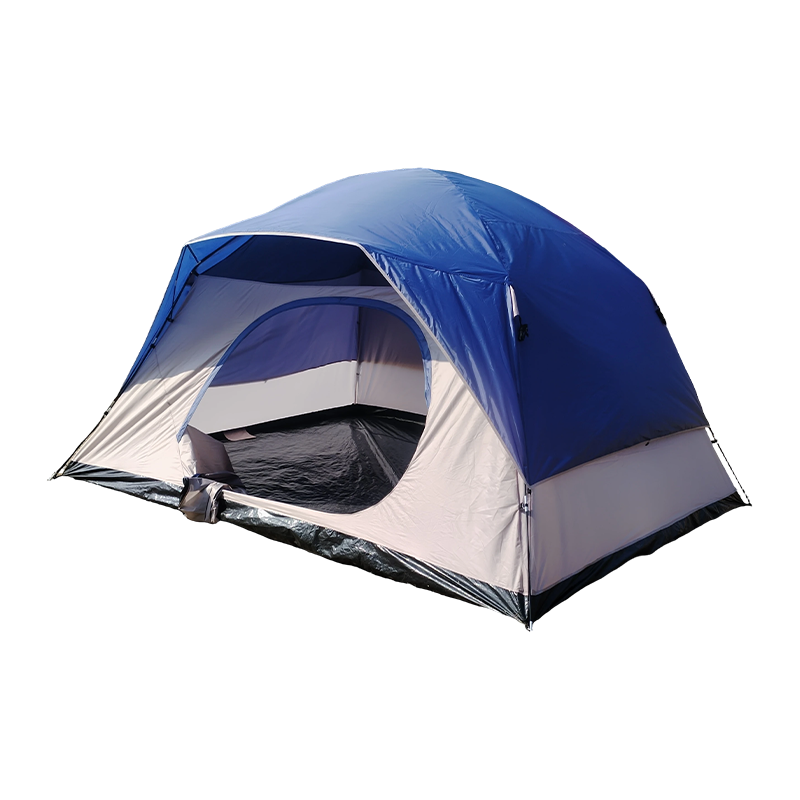
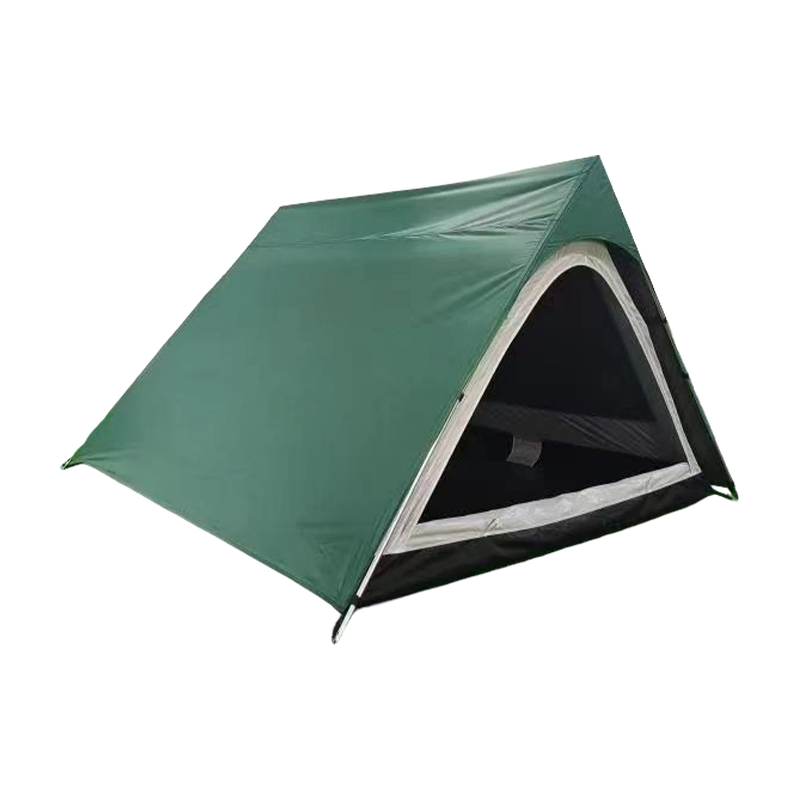
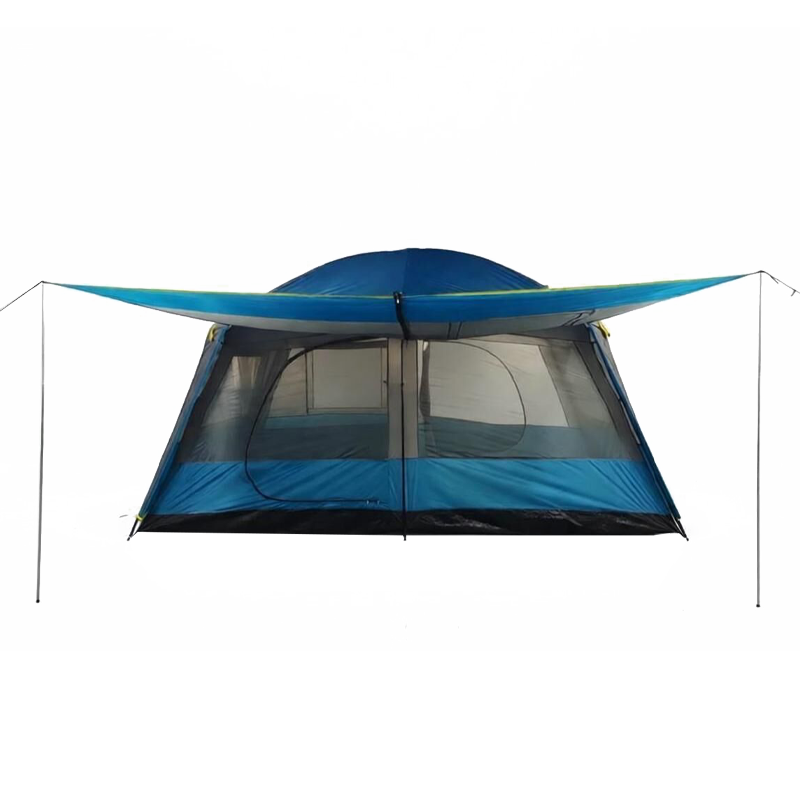
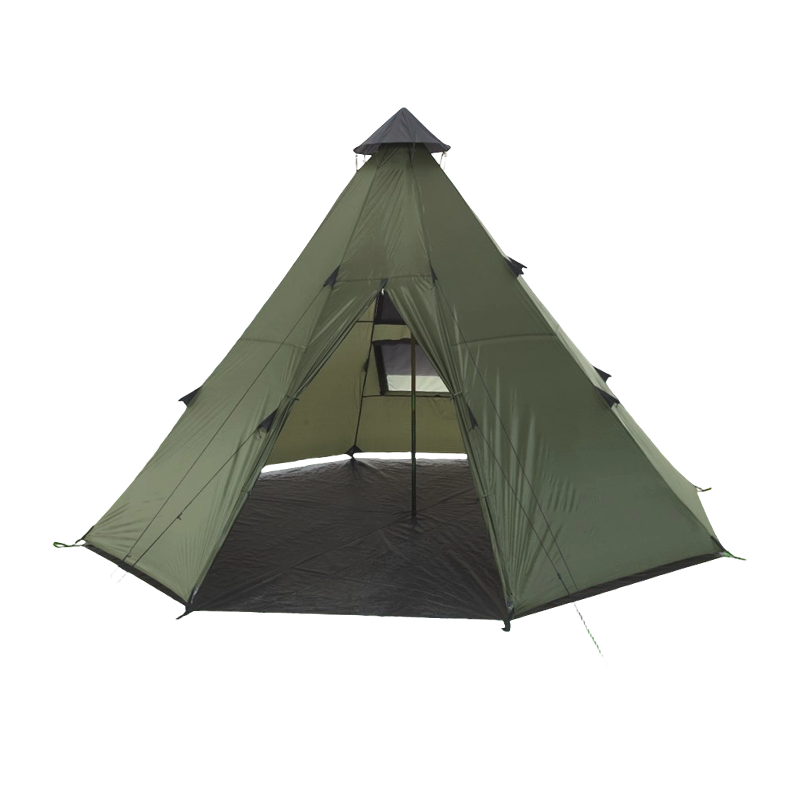
The weight and size of a camping tent are important factors for hikers and campers who prioritize mobility. Lighter tents often employ thin yet durable fabrics and simplified designs to reduce load without sacrificing essential protection. Tent size affects interior comfort as well as how compactly it can be packed. Ningbo Kaima Outdoor Products Co., Ltd. has designed tents over two decades to balance comfortable living space with manageable weight, ensuring practicality for various outdoor scenarios.
Material Selection and Its Impact on Portability
Materials play a key role in determining the portability of a tent. High-tenacity nylon and polyester fabrics provide a balance of light weight and strength, while coatings such as polyurethane or silicone maintain waterproofing. Tent poles constructed from aluminum or composite materials provide support with minimal added mass. By carefully selecting materials, the tents achieve manageable weight and durability, making them suitable for long-distance hiking and frequent camping use.
Design Features Enhancing Packability
Compact folding mechanisms, integrated storage sacks, and collapsible poles improve the ease of carrying a tent. Well-thought-out folding and pole assembly designs reduce the volume of the packed tent, allowing it to fit comfortably in a backpack. Over years of research, Ningbo Kaima Outdoor Products Co., Ltd. has refined these design elements to improve transport efficiency while maintaining protective performance.
Comparison of Different Tent Sizes and Weights
| Type of Tent |
Weight (kg) |
Packed Size (cm) |
Recommended Use |
| Single-Person Lightweight Tent |
1.0–1.5 |
40 × 15 × 15 |
Solo backpacking and short trips |
| Two-Person Standard Tent |
2.5–3.5 |
50 × 20 × 20 |
Backpacking or casual camping |
| Family or Group Tent |
5.0–7.0 |
70 × 25 × 25 |
Car camping or basecamp setups |
Portability Considerations for Backpackers
Ease of transport is influenced by both the weight and shape of the tent. Cylindrical or rectangular compression sacks allow tents to fit inside backpacks or be strapped externally. Lightweight tents reduce fatigue and improve mobility, especially over long distances. Balanced distribution of weight and ergonomic carrying solutions are key factors that designers consider to optimize comfort and transport efficiency.
Impact of Tent Features on Carrying Convenience
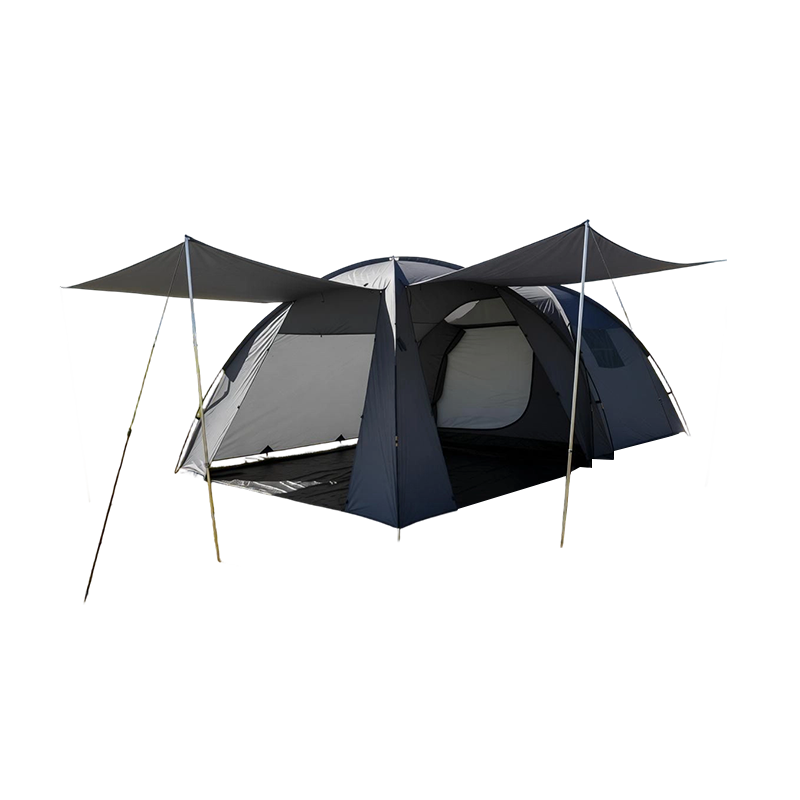
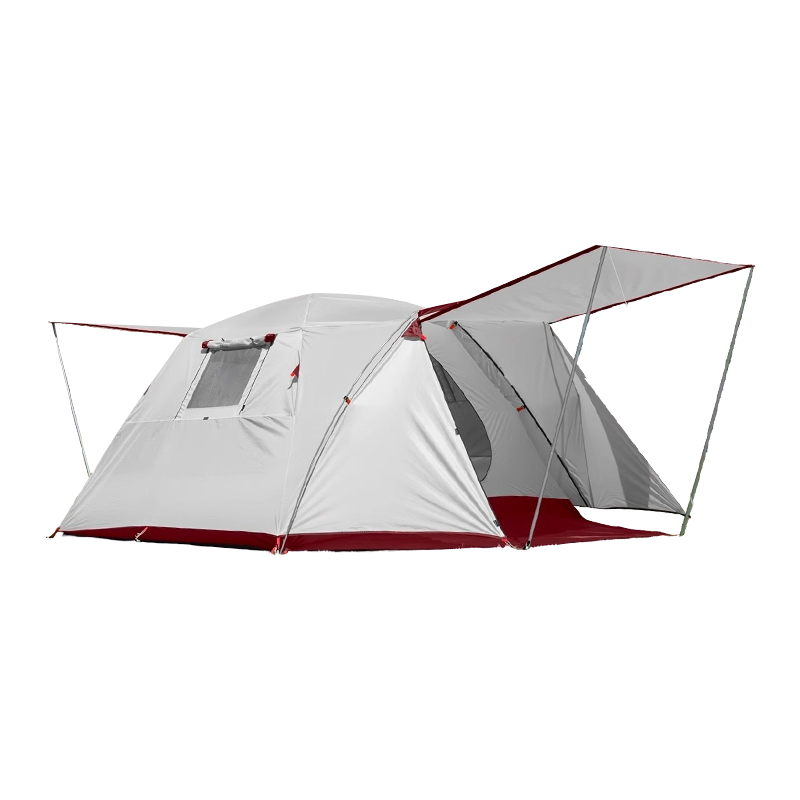
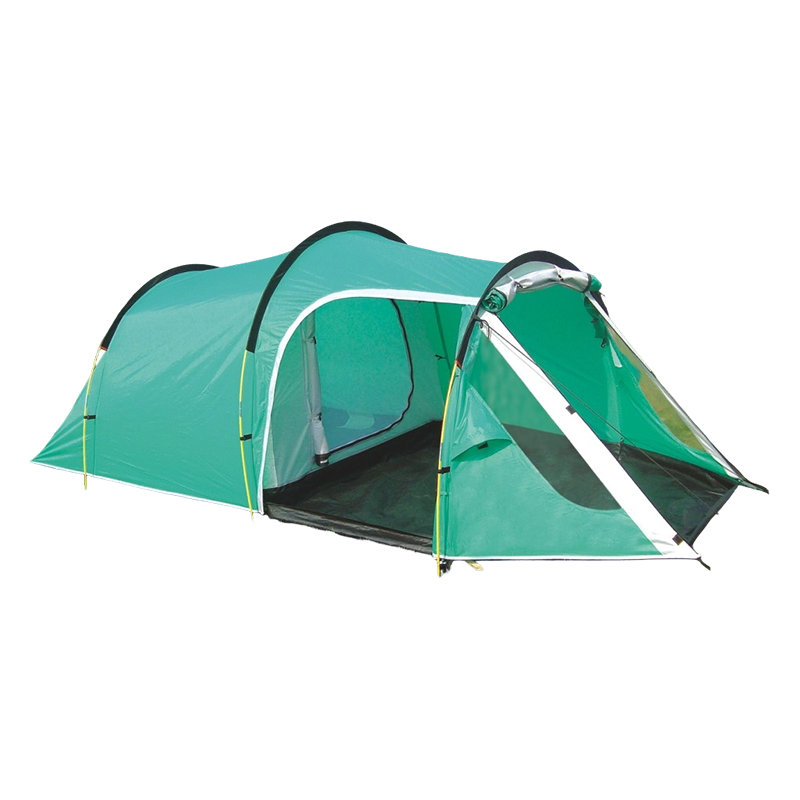
Additional features such as vestibules, internal pockets, and reinforced floors can increase both weight and packed size. Design decisions must balance these enhancements with portability, ensuring tents remain manageable. The research and design team at Ningbo Kaima Outdoor Products Co., Ltd. carefully evaluates which features provide practical benefit without creating unnecessary carrying burden for users.
Maintenance and Packing Practices
Proper maintenance influences how easily a tent can be carried. Folding tents along natural seams, securing poles separately, and using compression sacks help keep the packed size minimal. Keeping tents dry and clean prevents added weight from moisture and dirt. Familiarity with proper packing techniques improves portability and overall user experience.
Practical Implications for Outdoor Activities
Understanding the relationship between weight, size, and portability is essential for planning outdoor trips. Lightweight and well-sized tents allow hikers to transport their equipment efficiently while maintaining protection from weather and terrain. Thoughtful design and material selection enable users to focus on their outdoor activities without being encumbered by heavy or bulky gear, supporting a more comfortable and flexible camping experience.
FAQ
Q: How can the weight and size of a camping tent affect its portability for multi-day trips?
A: The weight and size of a tent influence how easily it can be carried during hiking or camping. Lightweight fabrics, compact folding designs, and durable yet light poles help reduce the load while maintaining protection. Ningbo Kaima Outdoor Products Co., Ltd. develops tents with these considerations to provide options that are practical for extended outdoor use.
Q: What features in camping tents improve protection against rain and moisture?
A: Camping tents often use waterproof coatings on fabrics and reinforced seams to prevent water penetration. Floor materials and vestibules are designed to reduce the risk of moisture entering the interior. Proper engineering ensures that even lightweight tents offer reliable protection in wet conditions.
Q: How do camping tents handle wind and structural stability?
A: Stability is achieved through careful frame design, tensioning systems, and the use of durable poles made from materials such as aluminum or composites. These elements allow the tent to maintain shape and resist wind forces while keeping overall weight manageable for transport.
Q: What factors influence the durability of camping tent fabrics?
A: Fabric durability depends on material type, weave density, and protective coatings. Ripstop patterns, UV resistance treatments, and reinforced areas such as floors and corners extend the lifespan of the tent. Quality manufacturing practices ensure tents retain performance across multiple seasons.
Q: How does interior space affect tent usability and transportability?
A: Larger interior space improves comfort but increases packed size and weight. Well-designed tents balance living space with portability, offering sufficient room for occupants and gear without making the tent cumbersome to carry. Design strategies consider user needs for both comfort and transport efficiency.
Q: Are additional features like vestibules and storage pockets practical in camping tents?
A: Vestibules and internal pockets enhance convenience by providing space for gear and supplies, but they may slightly increase weight and packed volume. Designers carefully assess these features to ensure they add practical value without compromising portability.
Q: What maintenance practices help maintain the portability and performance of camping tents?
A: Proper packing, cleaning, and storage are essential. Using compression sacks, folding along natural seams, and keeping the tent dry prevent added bulk and preserve waterproofing and material integrity. Guidance from experienced manufacturers like Ningbo Kaima Outdoor Products Co., Ltd. supports users in maintaining tents for consistent performance.



 English
 Español
 русский
 Deutsch
 عربى
عربى