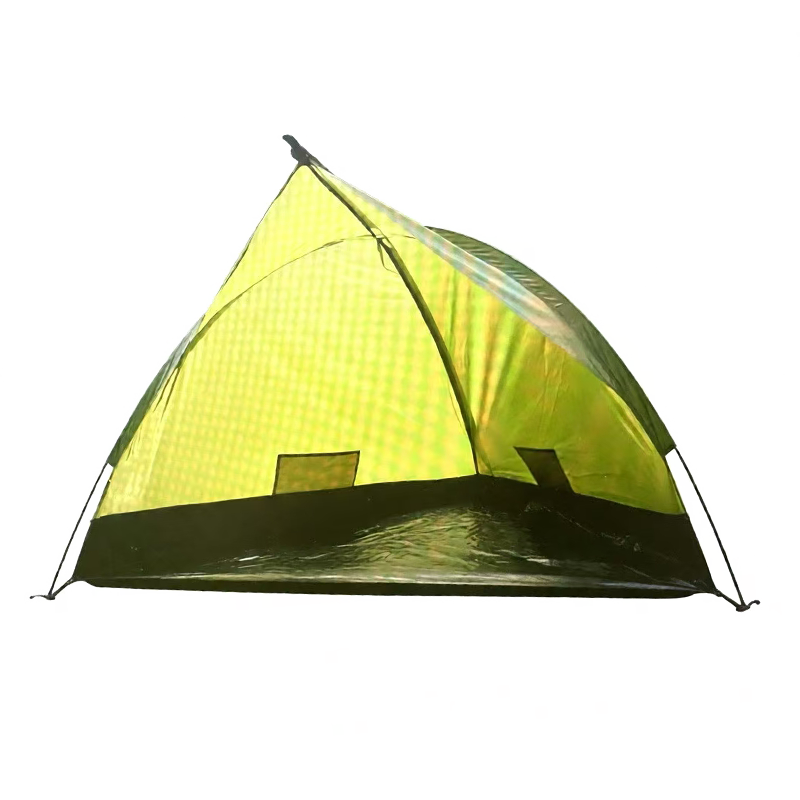
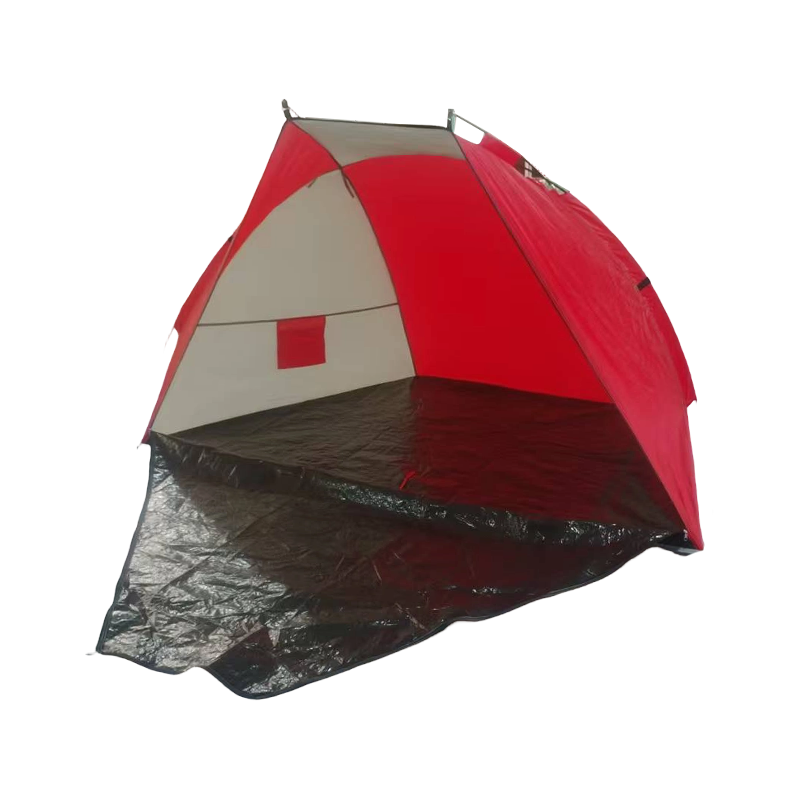
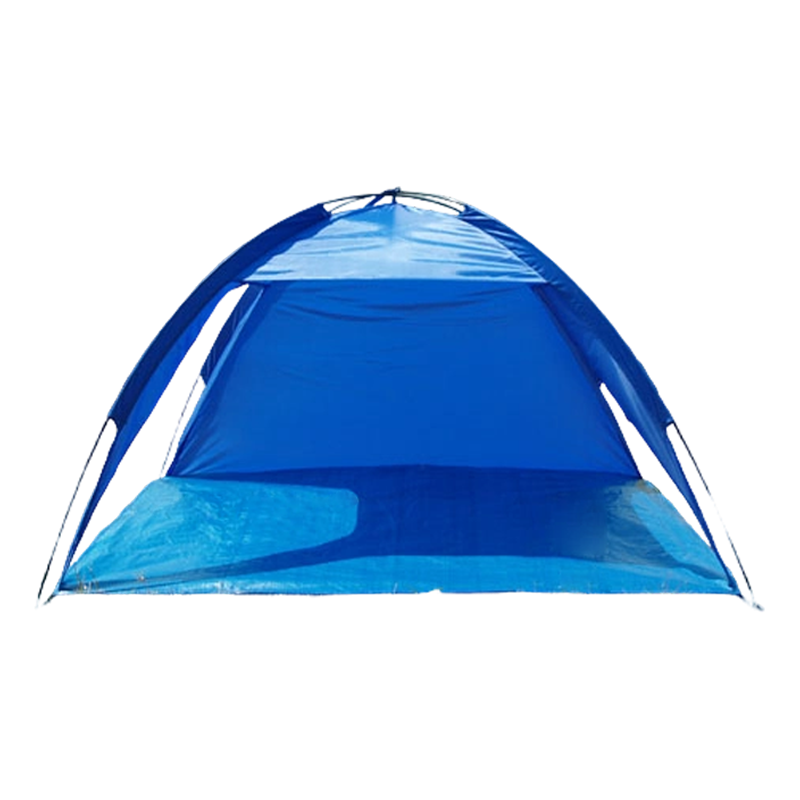
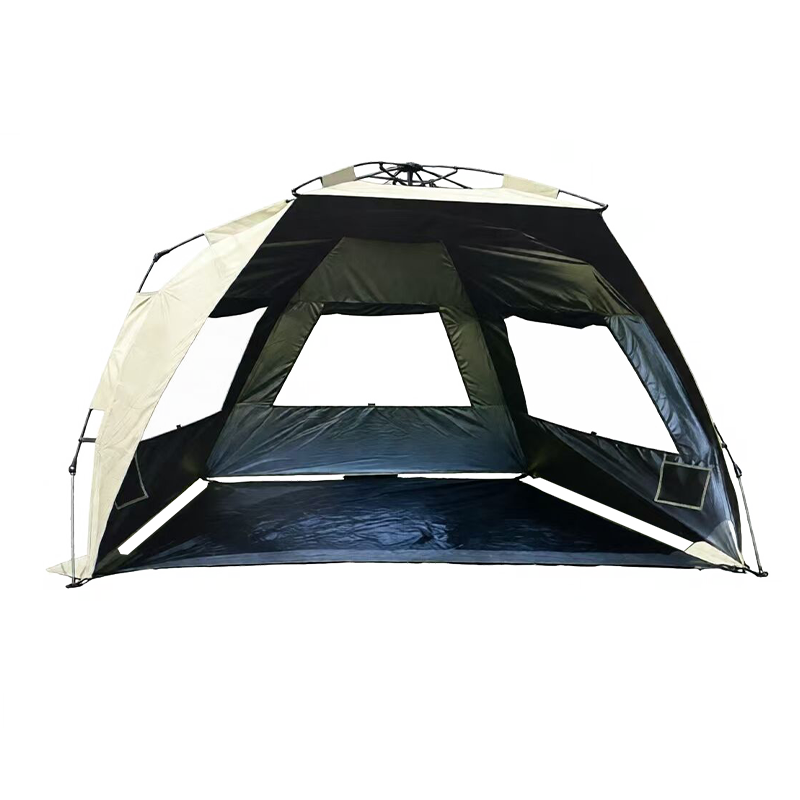
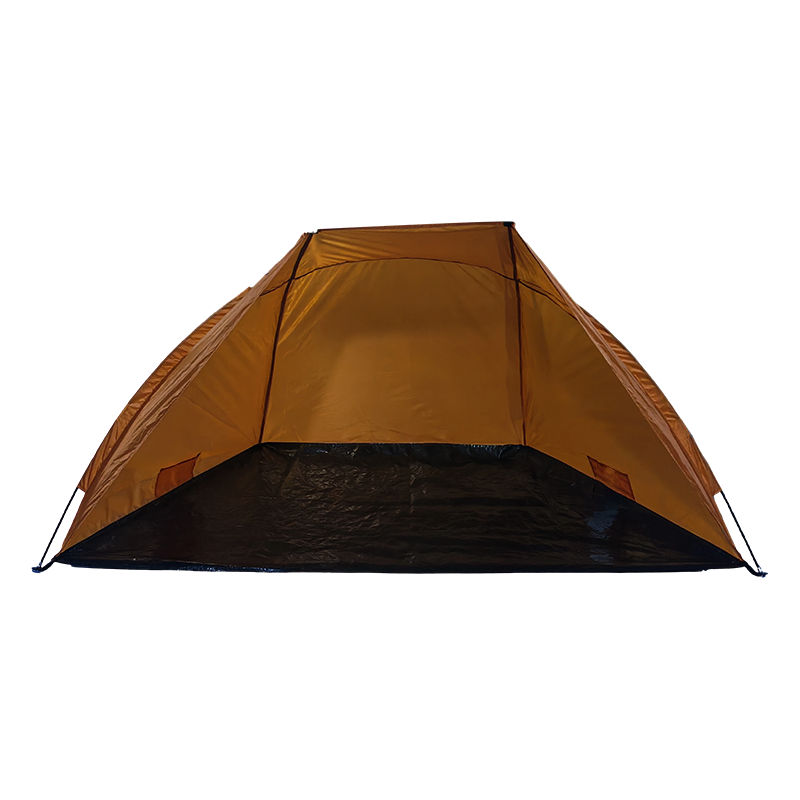
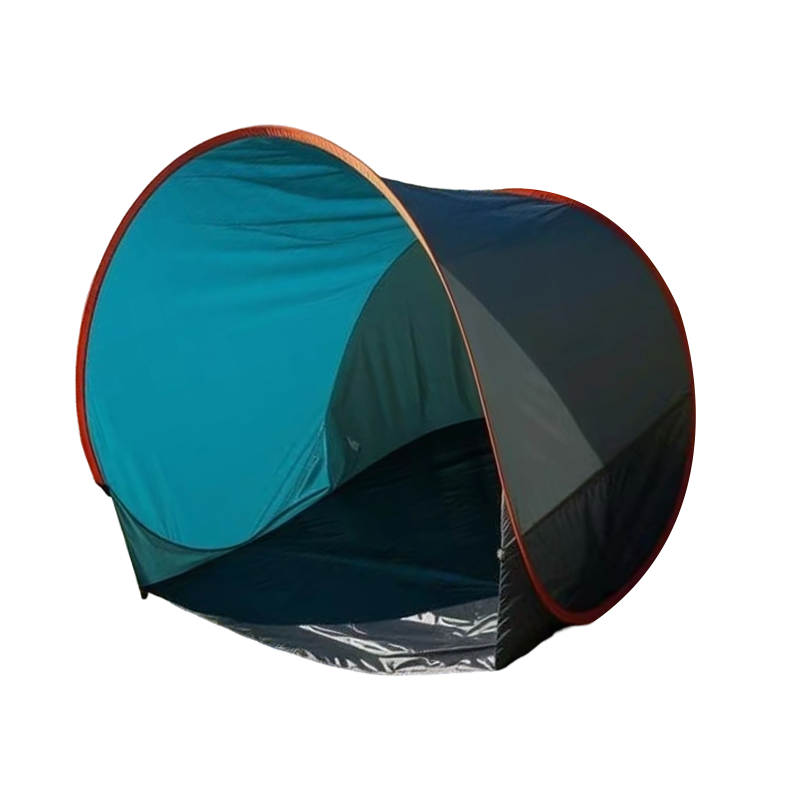
Cleaning and Maintenance of Beach Tents: Preventing Corrosion from Sand and Salt
Importance of Regular Cleaning
Beach tents are exposed to harsh environmental conditions, including sand, saltwater, and sunlight. These factors can gradually degrade fabric coatings, poles, and metal parts if not properly maintained. Regular cleaning and care are essential to prolong the lifespan of a beach tent, maintain its structural integrity, and preserve its protective performance. Manufacturers like Ningbo Kaima Outdoor Products Co., Ltd. design tents with materials that are resistant to corrosion and easy to clean, but proper user maintenance remains crucial.
Recommended Cleaning Materials and Tools
Cleaning a beach tent requires materials that do not damage the fabric or frame. Soft brushes, mild detergents, clean water, and non-abrasive cloths are recommended. Avoid strong chemicals or abrasive tools that could remove coatings or scratch poles. Nylon brushes and sponge cloths are suitable for removing sand particles, while fresh water helps to rinse away residual salt and prevent accumulation on metal parts.
Step-by-Step Cleaning Process
Start by removing loose sand from the tent fabric and floor. Shake the tent gently to release sand particles, and use a soft brush to clean seams and corners. Rinse thoroughly with fresh water to remove salt residues. For stubborn dirt, apply a mild soap solution, gently scrub with a sponge, and rinse again. Allow the tent to dry completely in a shaded area to prevent UV damage. Poles and stakes should be rinsed separately and dried before storage to avoid corrosion.
Cleaning Frequency and Seasonal Maintenance
The frequency of cleaning depends on usage and environmental exposure. After each beach outing, a light rinse is recommended to remove sand and salt. Periodic deep cleaning, such as at the end of a camping season, ensures accumulated residues do not compromise fabric or frame integrity. Seasonal maintenance includes checking for minor wear, inspecting zippers and seams, and applying protective sprays if recommended by the manufacturer.
Comparison Table: Cleaning Techniques and Tools
| Cleaning Step |
Recommended Tools |
Purpose |
| Remove loose sand |
Soft brush, shake method |
Prevent sand abrasion on fabric and zippers |
| Rinse off salt |
Fresh water hose or bucket |
Prevent metal corrosion and fabric degradation |
| Scrub dirt |
Mild soap solution, sponge cloth |
Remove stains and embedded sand |
| Dry tent |
Shade, air circulation |
Prevent UV damage and mildew formation |
| Check poles and stakes |
Cloth, inspection |
Ensure structural integrity and prevent rust |
Preventive Measures During Use
Preventing corrosion begins during use. Set up the tent on a clean surface, avoiding direct contact with wet sand if possible. Use ground mats to reduce abrasion and sand accumulation. Rinse the tent and poles immediately after contact with saltwater, and avoid prolonged exposure to moisture. These preventive practices complement the cleaning routine and extend the functional life of the tent.
Storage and Long-Term Care
Proper storage is essential to prevent corrosion and material degradation. Ensure the tent is completely dry before folding and storing in a cool, ventilated area. Avoid compressing poles or fabric excessively, as this may weaken structural elements over time. Using protective covers or storage bags recommended by manufacturers like Ningbo Kaima Outdoor Products Co., Ltd. can further preserve the tent’s condition and simplify future deployment.
Environmental Considerations and Sustainability
Using fresh water and mild detergents minimizes environmental impact and reduces chemical exposure to fabrics and coatings. Disposing of rinse water away from delicate ecosystems prevents contamination. Sustainable maintenance practices also align with the design philosophy of companies like Ningbo Kaima Outdoor Products Co., Ltd., which emphasizes practicality, durability, and user-friendly operation in outdoor products.
FAQ
Q: How can sand and salt affect the longevity of a beach tent?
A: Sand and salt can gradually wear down fabric coatings and cause corrosion on metal components. Regular cleaning and proper maintenance are essential to prevent damage and maintain tent performance. Ningbo Kaima Outdoor Products Co., Ltd. designs beach tents using corrosion-resistant materials and coatings to minimize these effects while providing guidance for proper care.
Q: What design features help improve stability on sandy surfaces?
A: Features such as extended stakes, sand pockets, and adjustable guy lines help anchor a beach tent securely on loose sand. These elements prevent the tent from shifting or collapsing in windy conditions, allowing for safer and more reliable use during beach activities.
Q: How can the setup process be optimized for a beach environment?
A: Quick deployment designs, color-coded poles, and intuitive assembly instructions reduce setup time and effort on sand. Inflatable or automatic frame options also allow users to erect the tent efficiently, even when carrying beach equipment or managing children.
Q: How should a beach tent be cleaned to maintain its waterproof properties?
A: Rinsing with fresh water after exposure to saltwater and using mild detergents to remove dirt and sand preserves waterproof coatings. Ensuring the tent is fully dry before storage prevents mold and mildew development, maintaining its protective performance over time.
Q: Are beach tents durable enough for repeated use in coastal environments?
A: Yes, when designed with durable fabrics and reinforced seams, beach tents can withstand repeated exposure to sun, wind, sand, and salt. The independent research and design team at Ningbo Kaima Outdoor Products Co., Ltd. focuses on material selection and structural reinforcement to provide long-term usability for frequent beach-goers.
Q: How does portability influence the choice of a beach tent?
A: Portability is crucial for carrying a tent across sand or from a vehicle to the beach. Lightweight designs, compact packing, and integrated carry bags improve transport convenience. Tents from manufacturers like Ningbo Kaima Outdoor Products Co., Ltd. balance portability with stability and protective features for user-friendly outdoor experiences.
Q: What are best practices for storing a beach tent after a day at the shore?
A: Remove sand and rinse off salt before drying the tent completely in shade. Fold and store the tent in a dry, ventilated area to prevent corrosion and fabric degradation. Following these steps helps maintain the tent’s structural integrity and readiness for future use.



 English
 Español
 русский
 Deutsch
 عربى
عربى