Portability and Transport Considerations: Inflatable vs. Traditional Frame Tents
Introduction to Tent Portability
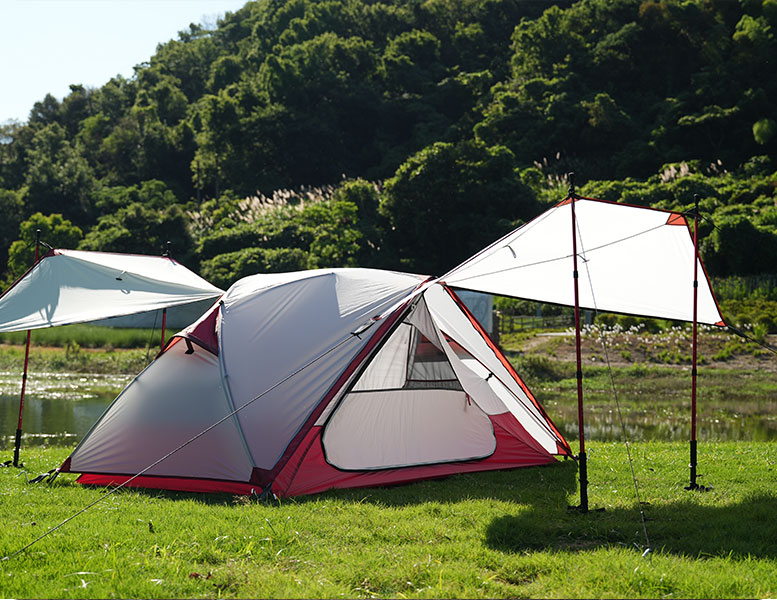
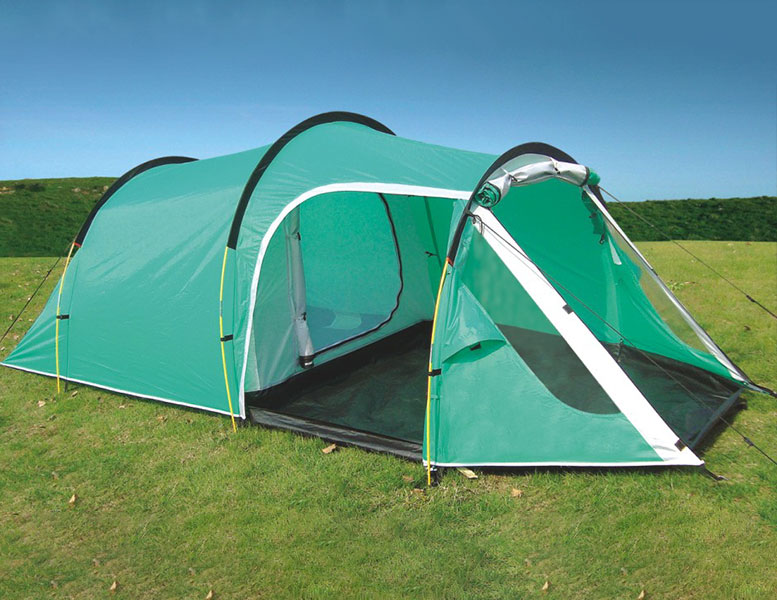
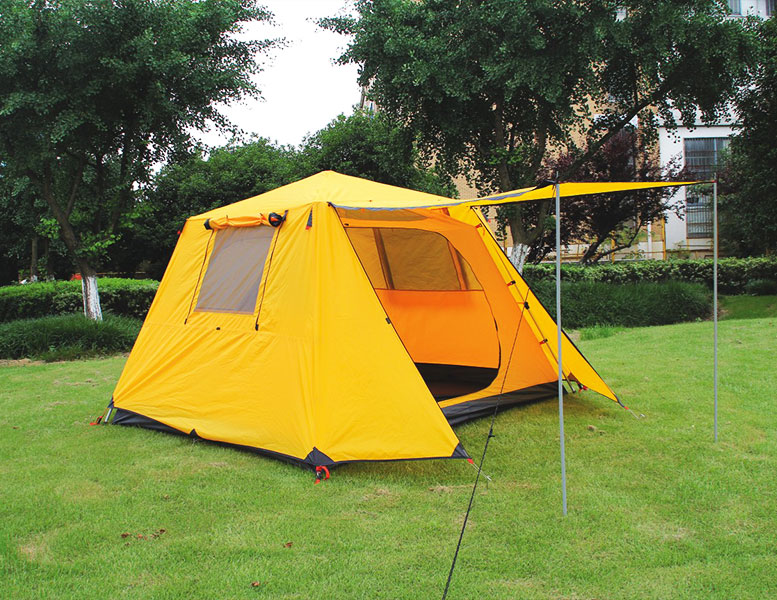
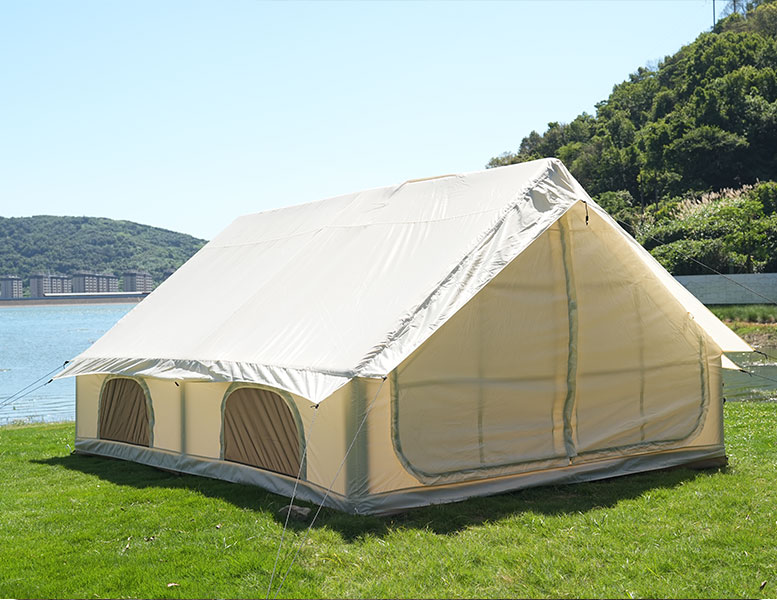
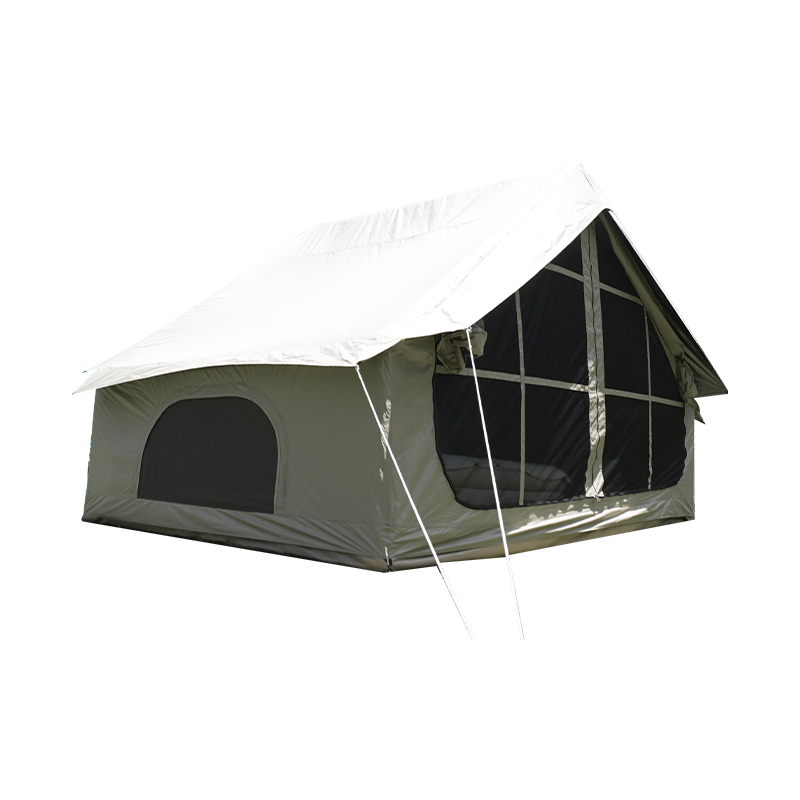
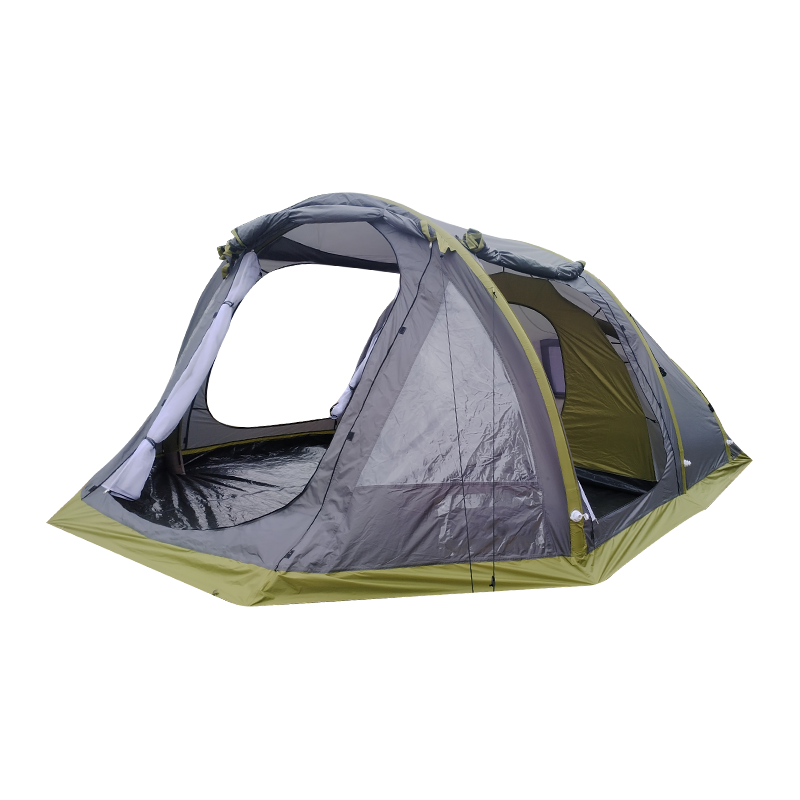
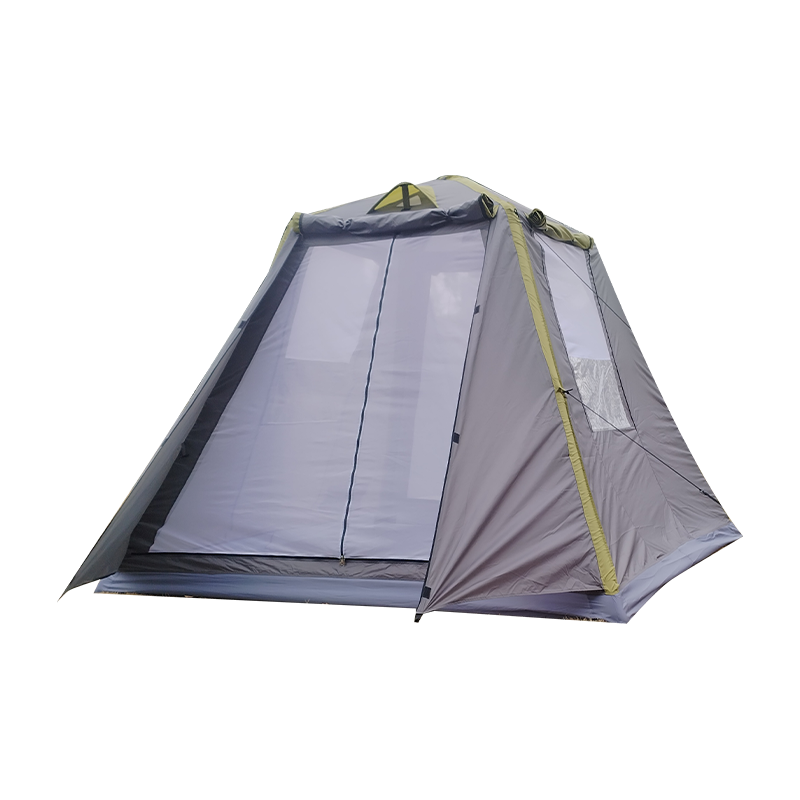
Portability and ease of transport are essential aspects of modern camping and hiking tents. Inflatable tents, also known as air tents, utilize air beams instead of conventional poles, simplifying the assembly and providing a flexible structure. Traditional frame tents rely on rigid poles that must be assembled and connected for support. Ningbo Kaima Outdoor Products Co., Ltd. leverages its two decades of experience in designing both inflatable and frame tents to optimize portability while ensuring functional protection and convenience for outdoor users.
Weight Considerations
The weight of a tent significantly affects transport ease. Inflatable tents typically include integrated air beams and lightweight fabrics, which can reduce the number of components to carry. While the air pump adds minor additional weight, the overall package can be lighter or comparable to traditional frame tents of similar capacity. Frame tents may involve multiple pole sections and clips, contributing to heavier packs when disassembled.
Packed Size and Volume
Packed size is another key factor in transport convenience. Inflatable tents can be rolled into compact shapes, often occupying less space than a full pole system with tent fabric. Traditional frame tents may require careful bundling of poles and fabric to achieve a manageable size. The compactness of inflatable tents can make them more suitable for backpacking or situations where storage space is limited.
Setup Time and Handling
Inflatable tents allow rapid deployment using a manual or electric air pump. A single person can erect an inflatable tent in a few minutes, compared to manual assembly of poles in a traditional frame tent, which may take longer and require alignment precision. This efficiency reduces physical strain and makes the tent suitable for users seeking quick setup during variable outdoor conditions.
Comparison Table: Inflatable vs. Traditional Frame Tents
| Feature |
Inflatable Tent |
Traditional Frame Tent |
| Average Weight (kg) |
2.0–4.0 |
2.5–5.0 |
| Packed Size (cm) |
45 × 20 × 20 |
50 × 25 × 25 |
| Setup Time |
3–7 minutes |
10–20 minutes |
| Number of Components |
Few, integrated air beams |
Multiple poles and clips |
| Ease of Handling |
High, simple inflation |
Moderate, assembly required |
Durability and Material Considerations
Inflatable tents use robust TPU-coated fabrics and reinforced air beams to provide structural integrity and resistance to punctures. While flexible, air beams must be handled carefully to avoid damage. Traditional frame tents rely on aluminum or fiberglass poles with reinforced joints, which can withstand repeated assembly and stress but may require careful packing to avoid bending or breakage. Both types are engineered to balance weight, portability, and durability.
Transport and Backpacking Implications
For hikers and campers, ease of transport depends not only on weight and volume but also on the convenience of packing and carrying. Inflatable tents can be rolled and stored in backpacks or side packs, allowing flexibility for multi-day hikes. Traditional frame tents, although sometimes bulkier, offer predictable assembly and stable structure, which can be advantageous for prolonged outdoor use. Proper choice depends on trip type, terrain, and individual carrying preferences.
Maintenance and Longevity
Handling and maintenance influence the long-term portability and usability of tents. Inflatable tents require occasional inspection of air beams for leaks, as well as proper storage to maintain airtight performance. Traditional frame tents benefit from straightforward maintenance but may need attention to pole joints and fabric tension. Ningbo Kaima Outdoor Products Co., Ltd. provides guidance on care and storage to ensure that both inflatable and frame tents retain ease of transport and operational reliability over multiple trips.
Practical Implications for Outdoor Activities
Understanding the differences between inflatable and traditional frame tents in weight, packed size, setup, and handling allows campers to make informed choices. Inflatable tents offer rapid setup and flexible packing, while frame tents provide predictable structure and long-term durability. Thoughtful design and material selection, informed by experience such as that of Ningbo Kaima Outdoor Products Co., Ltd., ensure that tents meet diverse portability and transport needs for outdoor enthusiasts.
FAQ
Q: How does the setup process of an inflatable tent differ from that of a traditional pole tent?
A: Inflatable tents use air beams that can be quickly inflated with a pump, reducing the steps and physical effort compared to assembling multiple poles and clips in traditional tents. This allows for faster deployment, especially useful in situations where time is limited or weather conditions change rapidly. Ningbo Kaima Outdoor Products Co., Ltd. has refined these systems to balance speed with stability and durability.
Q: What factors influence the portability of an inflatable tent?
A: Portability depends on the combined weight of the tent, air pump, and storage bag, as well as the packed volume. Inflatable tents often roll into compact shapes and can be easier to carry in backpacks than tents with multiple poles. Design considerations aim to keep the overall package manageable for a variety of outdoor activities.
Q: How do inflatable tents perform in windy or rainy conditions?
A: Inflatable tents rely on pressurized air beams that provide flexible support and absorb some wind movement. Waterproof coatings, reinforced seams, and anchored points contribute to resistance against rain. While they handle moderate conditions well, careful setup and anchoring are recommended to maintain stability and protection.
Q: Are maintenance requirements different for inflatable tents compared to traditional tents?
A: Yes, inflatable tents require periodic inspection of air beams for leaks and careful storage to preserve airtight performance. Traditional tents focus more on maintaining pole integrity and fabric tension. Following manufacturer guidance, such as that provided by Ningbo Kaima Outdoor Products Co., Ltd., helps ensure long-term reliability and portability.
Q: How does the weight of an inflatable tent affect outdoor mobility?
A: Inflatable tents are designed to reduce the need for heavy poles while still providing stable shelter. The air beams are lightweight yet strong, making the tent easier to carry over long distances. Overall mobility is improved compared to tents with larger pole systems, especially for hiking or short-term trips.
Q: Can inflatable tents accommodate multiple users comfortably without compromising portability?
A: Yes, inflatable tents can be sized to fit several occupants while keeping packed volume and weight within manageable limits. Thoughtful layout design ensures adequate interior space, and the inflatable structure allows for quick setup without adding excessive bulk. This balance of comfort and portability is considered in the design process at Ningbo Kaima Outdoor Products Co., Ltd.
Q: How do environmental factors impact the ease of transporting inflatable tents?
A: Temperature and altitude can slightly affect air pressure within inflatable beams, which may influence setup and stability. Transport ease can also be affected by terrain, as rough or uneven surfaces require careful handling. Understanding these factors helps users plan for efficient transport and setup in diverse outdoor conditions.



 English
 Español
 русский
 Deutsch
 عربى
عربى