

 English
 Español
 русский
 Deutsch
 عربى

4 Season Tent vs 3 Season: How to Choose the Right Shelter for Your Trips
Content
- 1 The Short Answer: Match the Tent to the Trip
- 2 What a 3-Season Tent Does Well
- 3 What a 4-Season Tent Changes
- 4 4 Season Tent vs 3 Season: Side-by-Side
- 5 Where Hybrid and 3+ Season Tents Fit
- 6 A Practical Checklist Before You Choose
- 7 What This Means for Buyers and Private-Label Programs
- 8 Final Thoughts: Buy for the Weather You Meet
Ask ten campers whether a 4 season tent is “better” than a 3 season tent, and you will hear ten different answers. The useful question is not which tent is stronger. It is which tent matches the weather, space, and weight you actually travel with. After more than two decades of designing and producing hiking and camping tents, we have learned that most bad tent purchases come from buying for an imagined expedition rather than the trips a person really takes.
The Short Answer: Match the Tent to the Trip
A 3-season tent is the practical default for spring, summer, and autumn camping. A 4-season tent is built for winter conditions, strong wind, and snow load. Neither is automatically superior. A 4-season tent used on a warm, humid summer night can feel like a sealed box. A 3-season tent in deep snow can be quickly overwhelmed. If you are still mapping out winter-specific features, our 4-season tent guide covers the details buyers ask about most.
What a 3-Season Tent Does Well
The label usually means three seasons, not three literal seasons in every climate. A good 3-season tent balances weather protection with ventilation. It uses mesh panels, a manageable pole set, and a fly that keeps rain out without turning the interior into a condensation trap.
- Lighter packed weight and smaller pack size for backpacking and touring.
- Better airflow for warm, humid nights and crowded campsites.
- More living space for the same weight in many family and camping models.
- Lower cost and a wider choice of layouts, fabrics, and entry configurations.
For weekend camping, family sites, warm-weather road trips, and most backpacking, this is the sensible starting point. Our lightweight 1-person 20D ripstop hiking tent is a good example of the breed: simple, packable, and intended for three-season walking rather than winter mountaineering.
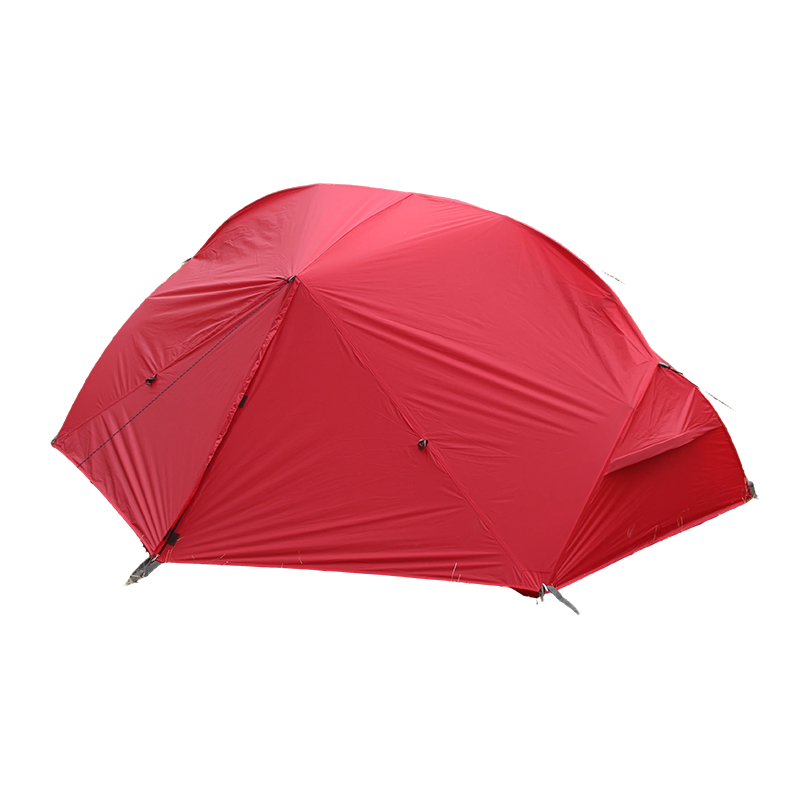 Lightweight 1-Person 20D Ripstop Hiking TentA packable three-season shelter for solo backpacking, with 20D ripstop fabric, PU3000 waterproofing, mesh ventilation, and aluminum alloy poles.View Product →
What a 4-Season Tent Changes
A 4-season tent is not simply a 3-season tent with thicker fabric. It is a different structural answer. You will usually see a lower profile, more poles, stronger guy-out points, reduced mesh, a full-coverage fly, and sometimes snow flaps or a solid inner. The goal is to shed wind, carry snow, and hold warmth around the sleeping area.
- Stronger frame and more anchoring points for exposed ground.
- Less mesh and fuller fly coverage to block spindrift and wind.
- Lower shape and reinforced stress points for snow and gusty weather.
- Warmer interior, though no tent is truly insulated without a proper sleeping system.
The trade-offs are real: more weight, less ventilation, more condensation, and a higher price. A 4-season tent can be the right tool for a winter ridge or a snowy base camp, and the wrong tool for a humid summer campground. For buyers reviewing stronger dome or triangular structures, a model such as our 4-person aluminum alloy triangular camping tent shows how pole count and fly coverage change the equation.
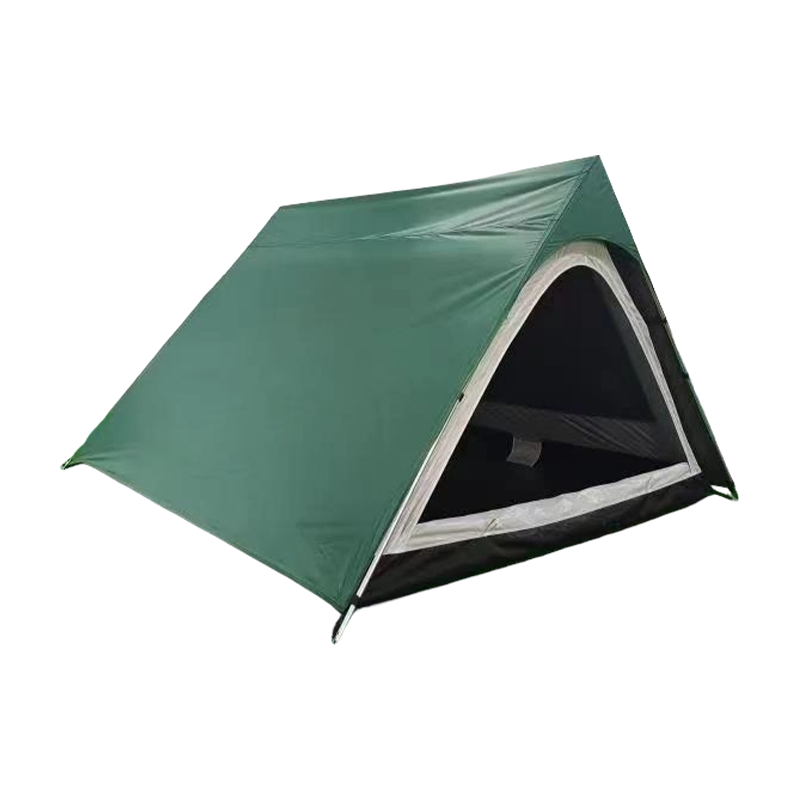 4-Person Aluminum Alloy Triangular Camping TentA four-person family shelter with a triangular structure and 16mm aluminum alloy poles, offering stable support for breezy campgrounds and group trips.View Product →
4 Season Tent vs 3 Season: Side-by-Side
| Feature | 3-Season Tent | 4-Season Tent |
|---|---|---|
| Best use | Spring to autumn camping | Winter, snow, and exposed wind |
| Weather protection | Good rain and moderate wind protection | Strong wind and snow-load resistance |
| Ventilation | Generous mesh and airflow | Limited mesh, more warmth, higher condensation risk |
| Weight and pack size | Lighter and more compact | Heavier and bulkier |
| Cost | Usually lower | Usually higher |
Where Hybrid and 3+ Season Tents Fit
Between the two main types sits the 3+ season or hybrid tent. It may add a fuller fly, extra guy-outs, stronger poles, or a partially solid inner while keeping some mesh for airflow. This can suit shoulder-season trips, windy coastal campsites, or cold nights without heavy snow. It is not a substitute for a true winter tent, but it can be the most honest choice for campers who rarely see deep snow yet want more margin than a light summer shelter provides.
A Practical Checklist Before You Choose
- List the conditions you actually camp in, not the conditions you hope to camp in.
- Decide whether snow load, spindrift, or severe wind is likely.
- Weigh ventilation against warmth, especially for humid climates.
- Check packed size and carry distance if you backpack.
- Budget for the whole system, including stakes, footprint, and sleeping insulation.
What This Means for Buyers and Private-Label Programs
From a manufacturing desk, the 4 season tent vs 3 season question often becomes a range-planning question. A retail or private-label line may need a light 3-season model for everyday camping, a 3+ season bridge model for changeable weather, and a true winter model for specialist demand. The specifications should follow the market, not a single headline feature. In our factory and quality-control process, we focus on the details that decide whether a tent works in the field: fabric coating, seam treatment, pole strength, guy-out placement, ventilation strategy, and repeatable production checks.
A family model such as our 5–6 person waterproof double-layer camping tent shows how fly coverage and double-wall construction can be adapted for wet, changeable conditions without pretending to be a winter mountaineering tent. That distinction matters when buyers build a catalog: label the tent for the job it can do, and customers are more likely to trust the range.
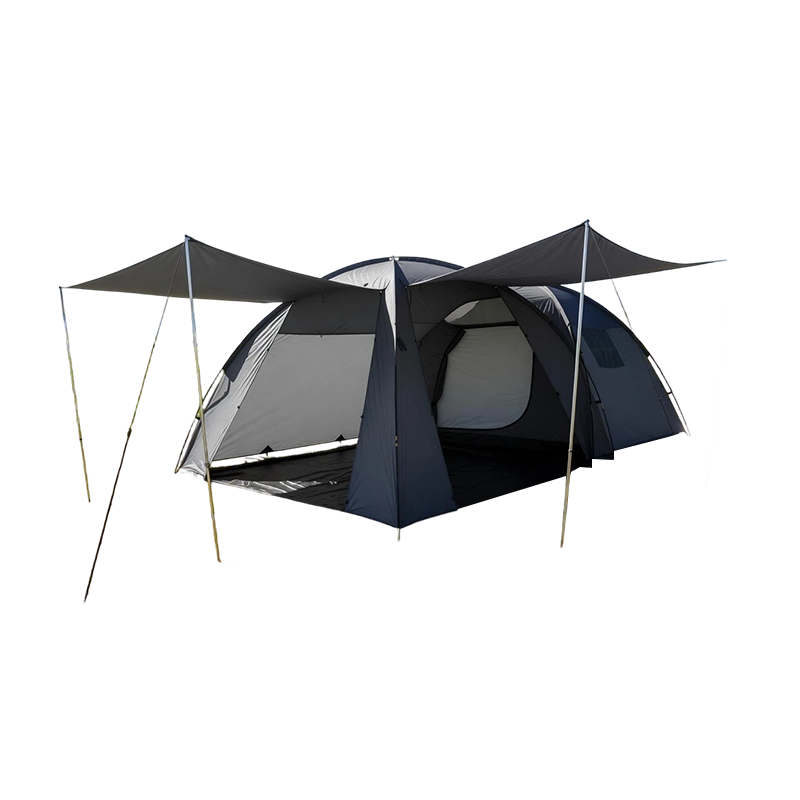 5-6 Person Waterproof Double-Layer Family Camping TentA spacious double-wall family tent with PU2000 outer fabric and breathable inner, suited to wet, changeable campsites rather than winter mountaineering.View Product →
Final Thoughts: Buy for the Weather You Meet
If most of your trips are mild, a 3-season tent is the better tool. If winter storms, snow, and exposed ridges are normal, a 4-season tent earns its extra weight. If you are in between, a 3+ season model may be the most practical answer. The right tent is not the one with the longest feature list. It is the one that fits the trip, the climate, and the way you actually camp.
-
02 Apr, 2026
Understanding Your Family’s Camping Needs Choosing the right camping tent starts with a clear understanding of your family’s actual needs. Many buyers make the ...READ MORE
-
02 Oct, 2026
A four-season tent is a specific piece of equipment, not a marketing upgrade. What keeps a shelter standing on an exposed ridge is not the label on the stuff s...READ MORE
-
11 Jun, 2026
For backcountry adventurers who refuse to compromise between weight savings and all-weather protection, ultralight 4-season camping tents represent the pinnacl...READ MORE
-
23 Oct, 2026
Every tent we design starts with the same question: how will air get in, and how will it get out? Ventilation is the quiet feature that decides whether you wak...READ MORE
-
11 Sep, 2026
At a Saturday farmers market, two coffee stalls stand forty meters apart. One operates under a plain grey canopy. The other has its name, its brand colors and ...READ MORE
-
16 Oct, 2026
Choosing a tent looks simple until you are standing in front of thirty of them. Two-person or four-person, pop-up or pole, silnylon or polyester. After more th...READ MORE
-
+86-15867893553
- [email protected]
- 6th Floor, Building 8, Wanyang Innovation City, Baifeng Street, Beilun District, Ningbo City, Zhejiang Province, China.
Copyright © Ningbo Kaima Outdoor Products Co., Ltd.All Rights Reserved.
 Custom Outdoor Lightweight/Packable Tent Manufacturers
