


 English
 Español
 русский
 Deutsch
 عربى
عربى
What Is an Ultralight Pyramid Tent?
Content
- 1 Key Advantages of Ultralight Pyramid Tents
- 2 Materials Used in Ultralight Pyramid Tents
- 3 How to Choose the Right Ultralight Pyramid Tent
- 4 Top Ultralight Pyramid Tent Designs on the Market
- 5 Pyramid Tent vs. Other Ultralight Shelter Types
- 6 Pitching Tips and Common Mistakes
- 7 Condensation Management in Pyramid Tents
- 8 Care and Longevity of Ultralight Pyramid Tents
- 9 Who Should Buy an Ultralight Pyramid Tent?
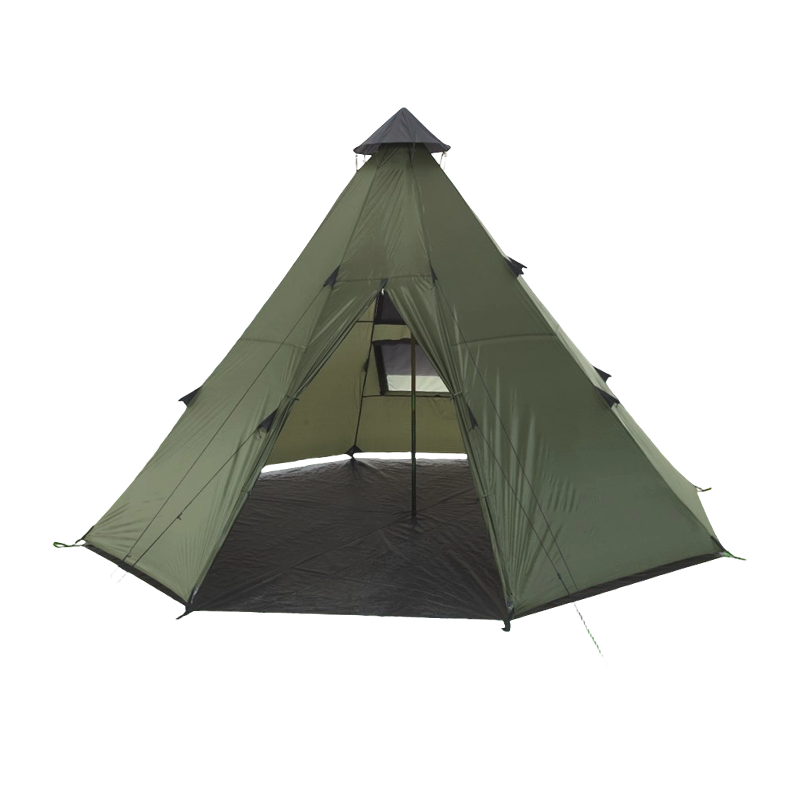
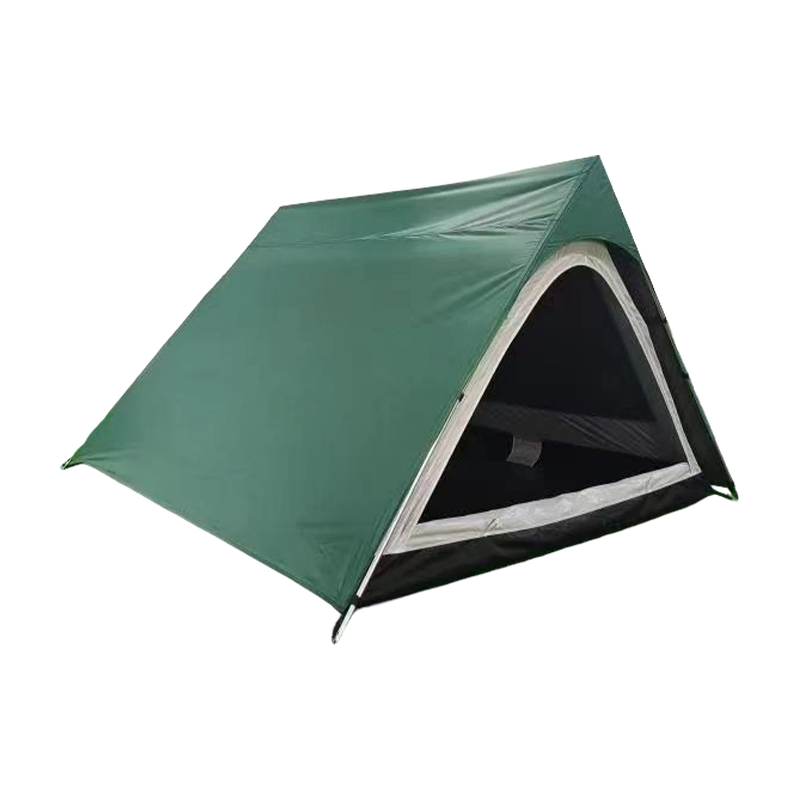
An ultralight pyramid tent is a minimalist shelter system built around a single central pole — or a trekking pole — with fabric that drapes outward in a four-sided pyramid shape and stakes to the ground. Unlike conventional freestanding tents, pyramid tents shed the heavy internal pole systems and extra fabric panels that add unnecessary grams to your pack. The result is a structure that is surprisingly spacious for its weight, highly wind-resistant by virtue of its geometry, and capable of handling four-season conditions when made with the right materials.
The pyramid form has ancient roots — from Inuit shelters to military field tents — but modern ultralight versions borrow cutting-edge fabrics and refined geometry to bring total packweights down to under 400 grams for solo shelters. That is a dramatic reduction compared to traditional backpacking tents, which typically weigh 1.2 to 2 kg or more.
Today, pyramid tents occupy a distinctive niche among ultralight enthusiasts, fastpackers, ski tourers, and anyone who values simplicity, durability, and versatile all-weather protection without carrying excess weight.
Key Advantages of Ultralight Pyramid Tents
Choosing an ultralight pyramid tent over a conventional shelter comes with several meaningful benefits that go beyond raw weight savings.
Exceptional Wind Resistance
The pyramid shape is aerodynamically efficient. Because the shelter slopes from a single apex down to multiple stake points, wind loads are distributed across the fabric and transferred directly to the ground rather than into vulnerable vertical walls. Many pyramid tents have been tested in winds exceeding 100 km/h without structural failure — a performance level rarely achievable with lightweight tunnel or dome tents.
Superior Interior Volume-to-Weight Ratio
Because a pyramid tent has no internal poles running along its perimeter, the full floor space is usable. A solo pyramid tent covering 3.5 square meters of floor can weigh under 500 grams, whereas a conventional single-wall bivy of equal area might weigh twice as much. Two-person pyramid tents routinely offer 6–8 square meters of floor area at a packweight competitive with solo freestanding tents.
Modular and Versatile Setup
Most pyramid tents can be pitched without a dedicated center pole by using a trekking pole — removing another item from your gear list. Alternatively, they can be pitched in "open" mode during warm, dry weather for maximum ventilation, or fully closed and guyed out for storm conditions. Inner nest inserts, bug nets, and footprints are typically sold as optional accessories, giving you control over what weight you carry on any given trip.
Simplified Pitch
With just one pole and four to eight stakes, a pyramid tent can be fully pitched in under three minutes once you have practiced the process. In worsening weather or fading daylight, that simplicity is a meaningful safety advantage over more complex shelter systems.
Materials Used in Ultralight Pyramid Tents
The weight and performance characteristics of any ultralight pyramid tent are determined primarily by its fabric. Understanding the main fabric options helps you match a shelter to your specific conditions and priorities.
Silnylon
Silicone-coated nylon (silnylon) has been the workhorse of ultralight shelter fabrics for two decades. It is affordable, highly packable, and delivers excellent waterproofing with hydrostatic head ratings typically between 1,500 and 3,000 mm. Its main drawbacks are a tendency to stretch when wet — which can affect pitch tension — and modest tear strength compared to newer fabrics.
Silpoly
Silicone-coated polyester addresses silnylon's stretch problem. Silpoly maintains pitch geometry in rain, which is critical for a pyramid tent where precise tension keeps the walls taut and prevents pooling. It is slightly heavier per square meter than silnylon but remains a very competitive ultralight fabric for three-season and shoulder-season use.
Dyneema Composite Fabric (DCF)
Formerly marketed as Cuben Fiber, DCF is the pinnacle of ultralight shelter fabric. At roughly 25–34 g/m² for common weights, it is significantly lighter than any woven alternative. It is also dimensionally stable (no stretch), inherently waterproof without coatings, and exceptionally durable per gram. The tradeoff is cost: DCF pyramid tents typically retail between $500 and $1,200 USD, compared to $100–$350 for silnylon equivalents. For weight-obsessed ultramarathon runners and gram-counters, the premium is often justified.
UHMWPE Hybrid Fabrics
Several manufacturers now offer hybrid fabrics that blend ultra-high-molecular-weight polyethylene fibers with woven face fabrics, targeting a middle ground between the economy of silnylon and the performance of DCF. These fabrics offer excellent strength-to-weight ratios and are increasingly popular in mid-range ultralight pyramid tents priced from $250 to $500.
How to Choose the Right Ultralight Pyramid Tent
With a growing range of options available, narrowing down the best ultralight pyramid tent for your needs involves evaluating several interconnected factors.
Capacity and Floor Area
Pyramid tents are available in solo (1P), duo (2P), and group configurations (3P to 6P). Solo shelters typically offer 3–4.5 m² of floor area, enough for one sleeping pad and a gear pile inside the door. Two-person models jump to 6–9 m² and remain impressively light thanks to the geometry's efficiency. If you regularly hike with a dog or carry bulky gear, sizing up to a 2P shelter is often worth the extra 100–150 grams.
Season Rating and Conditions
Three-season pyramid tents prioritize ventilation and lighter fabrics, often including mesh inner nests or large door vents. Four-season and winter-capable models feature heavier-duty fabrics, more robust guy-point reinforcements, and the ability to manage significant snow loading. A pyramid tent rated for four-season use should typically handle static snow loads of at least 40–60 kg without deformation, depending on roof angle steepness.
Pole Compatibility
Check whether the tent is designed for a dedicated pole (usually included or sold separately) or for a trekking pole. Trekking pole-compatible designs save grams but require you to be carrying trekking poles — which most fastpackers and backpackers already use. Dedicated pole designs allow the tent to be pitched without poles, which matters in camp situations where poles are stashed inside.
Inner Tent and Bug Protection
Most ultralight pyramid tents are sold as outer shells only. Bug net inners are optional accessories. For summer travel in mosquito-heavy environments, a full bug net inner is essential. Some manufacturers offer partial inners that cover just the sleeping zone, saving weight while still providing insect protection. In cold or dry environments, many users skip the inner entirely, relying on a bivy sack for condensation management.
Weight Categories to Target
- Sub-300 g: Cutting-edge DCF solo shelters, bare minimum coverage
- 300–500 g: High-performance solo tents in DCF or premium hybrids with good livability
- 500–800 g: Silpoly or silnylon solo models and lightweight 2P options
- 800 g–1.2 kg: Full-featured 2P and 3P pyramid tents with inners and four-season reinforcement
Top Ultralight Pyramid Tent Designs on the Market
The ultralight shelter market has matured significantly, and several designs have emerged as benchmarks against which others are measured.
Single-Pole Mid-Style Shelters
Designs in this category use a single central pole — often a trekking pole — and four to six stake points. They are the most stripped-down expression of the pyramid form, and the lightest options fall in this group. Packweight for solo silnylon models can reach as low as 280–320 grams for just the outer shell.
Dual-Pole Pyramid Shelters
Two-pole designs sacrifice a small amount of weight in exchange for improved headroom distribution, reduced condensation drip zones above sleeping occupants, and better door placement. They are popular in 2P and 3P configurations where interior comfort becomes more important. Total weight with a two-person silpoly outer typically runs 700–950 grams.
Modular Four-Season Systems
These are pyramid tents engineered from the ground up for winter and alpine use. They feature catenary-cut panels for tighter pitch tension under snow loads, reinforced apex gussets, multiple guy-out points at mid-panel height, and optional vestibule extensions. Full systems with inner tent, pole, and footprint can weigh 1.3–1.8 kg but outperform conventional mountaineering tents that weigh twice as much.
Pyramid Tent vs. Other Ultralight Shelter Types
Understanding where pyramid tents sit relative to other minimalist shelter options helps set realistic expectations.
Pyramid Tent vs. Ultralight Tunnel Tent
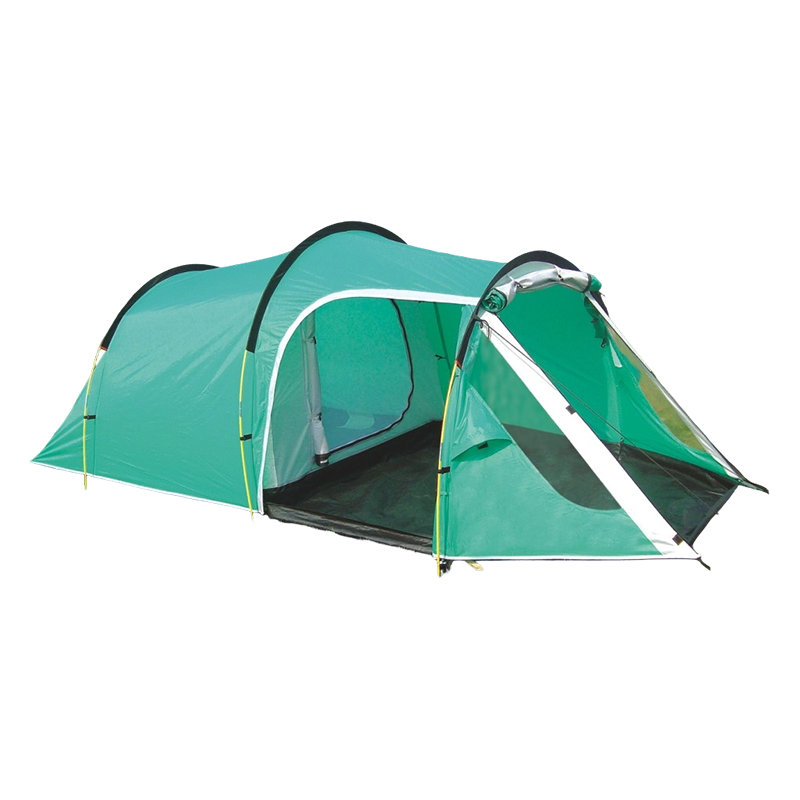
Tunnel tents offer excellent livable volume and generous headroom across the sleeping zone, but they are directional — they must be pitched with the end facing into the wind. Pyramid tents are omnidirectional; you can orient a door toward the view regardless of wind direction and the structure remains equally stable. Tunnel tents also typically require more stakes and more precise placement to perform well in storms.
Pyramid Tent vs. Tarp
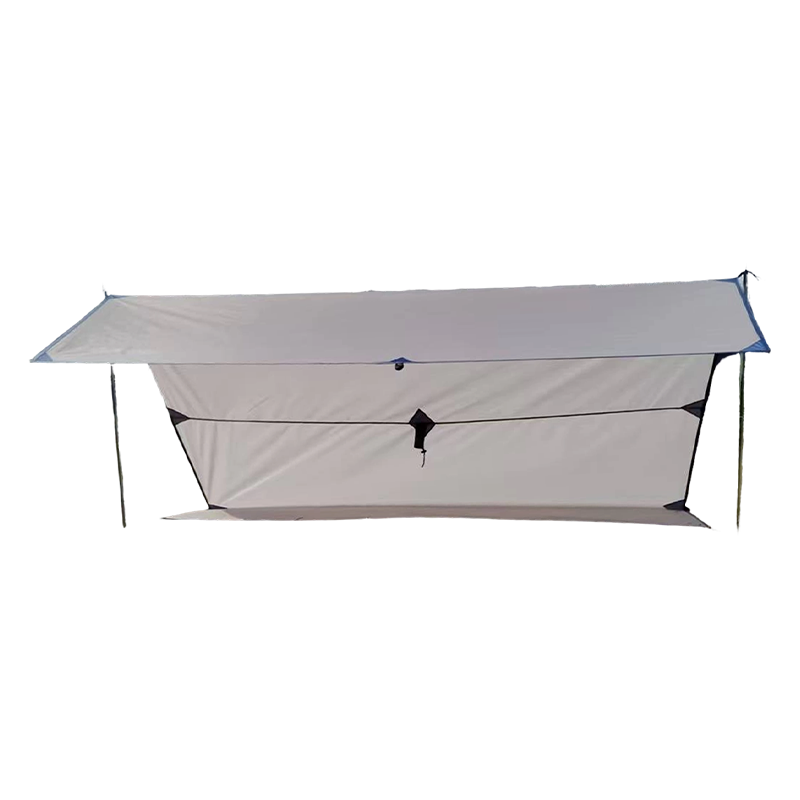
A flat tarp can weigh less than any pyramid tent, but it offers no floor, limited bug protection, and a steeper learning curve for effective pitching in varied conditions. The pyramid tent provides a defined enclosed space with a consistent interior geometry — significant advantages for foul weather, insects, and comfort. Many backpackers graduate from tarps to pyramid tents once they prioritize livability alongside weight savings.
Pyramid Tent vs. Single-Wall Freestanding Tent
Freestanding tents pitch without stakes and can be moved once erected — an undeniable convenience. However, truly ultralight freestanding designs suffer from condensation management problems and are rarely competitive on weight with a well-designed pyramid tent. A 400 g pyramid tent typically outperforms a 700 g freestanding tent in wind, precipitation, and weight efficiency, though it demands more care in site selection and pitch execution.
Pitching Tips and Common Mistakes
A pyramid tent performs only as well as its pitch. Getting the most from your shelter requires attention to a few key principles.
- Stake corners first, center pole last. Place all corner stakes in their approximate positions before raising the pole. This prevents the fabric from billowing uncontrollably while you find the pole height.
- Fine-tune stake position after the pole is raised. The ideal pitch has all panels under equal, gentle tension with no wrinkles running toward the apex. Adjust individual stakes outward until fabric tension is balanced.
- Guy out mid-panel points in wind. Most pyramid tents include guy loops at the midpoint of each panel. In high winds, running a guy line from each of these points to a separate stake dramatically stiffens the shelter and reduces flutter-induced wear on the fabric.
- Avoid over-tensioning. Pulling stakes too aggressively distorts the pyramid geometry and concentrates stress on seams and apex. The fabric should be taut, not drum-tight.
- Choose flat ground carefully. Unlike freestanding tents, pyramid tents are sensitive to uneven terrain. A slope of more than 3–5 degrees will cause the center pole to lean, skewing the pitch and reducing interior space on the uphill side.
Condensation Management in Pyramid Tents
Single-wall construction — used in most ultralight pyramid tents — means that the same panel that keeps rain out also faces interior moisture from breath and body heat. Condensation on the inner surface is an inherent tradeoff of single-wall design and is manageable with the right strategies.
Ventilation is the primary tool. Cracking the door even a few centimeters dramatically reduces interior humidity. Many pyramid tent designs include a small vent near the apex that can remain open in rain — look for this feature specifically when comparing models for three-season or cold-weather use.
In very cold conditions, condensation on the inner surface may freeze overnight. This is cosmetically unpleasant but structurally harmless; the frozen moisture falls away when the shelter is packed and does not compromise fabric integrity. DCF fabrics shed liquid water more readily than silnylon, which gives them a slight condensation management advantage as well as a weight advantage.
Using a full bug net inner creates a second layer that intercepts most condensation before it contacts your sleeping bag, which is particularly valuable in conditions where temperatures hover near freezing and moisture accumulation is highest.
Care and Longevity of Ultralight Pyramid Tents
Ultralight fabrics achieve their weight targets through reduced material thickness, which demands more attentive care than a standard backpacking tent. Following a few basic practices will significantly extend the life of your shelter.
- Always pitch with a footprint or groundsheet — particularly on abrasive surfaces — to protect the bathtub floor and lower panel edges from abrasion.
- Store loosely rather than compressed. Tightly stuff-sacking a pyramid tent degrades seam tape and stresses DCF laminate layers over time. A loose storage bag at home extends life significantly.
- Re-seam tape every two to three years, or immediately after any visible delamination. Seam tape, not the fabric itself, is often the first component to fail on a well-used shelter.
- Rinse with fresh water after coastal or salty environments. Salt crystals accelerate UV degradation in both silicone coatings and laminate adhesives.
- Repair small punctures immediately with the appropriate patch tape. A 2 mm pinhole becomes a 20 mm tear after one wet night under wind load.
With proper care, a quality ultralight pyramid tent made from silnylon or silpoly should provide 300–500 nights of use. DCF models may last significantly longer due to the material's inherent resistance to hydrolysis and UV degradation, justifying their higher upfront cost over a multi-year ownership horizon.
Who Should Buy an Ultralight Pyramid Tent?
An ultralight pyramid tent is an excellent choice for a wide spectrum of outdoor users, but it is not the right shelter for everyone. It rewards those who are willing to invest time in learning pitch technique, accept the tradeoffs of single-wall construction, and prioritize performance-to-weight ratio over the push-button convenience of a freestanding tent.
Ideal users include thru-hikers and fastpackers covering high daily mileage where pack weight directly translates to physical output; ski tourers and winter mountaineers who need reliable storm protection at minimum weight; ultralight backpackers building a lightweight system from the ground up; and experienced campers who already understand shelter principles and want to move beyond conventional designs.
Users who frequently camp on rocky or uneven terrain without suitable stake placements, those new to backcountry camping who need the reassurance of a freestanding design, or those who camp primarily in warm humid climates where condensation management is paramount may find a semi-freestanding tunnel tent or a double-wall design better suited to their situations.
For the right user, an ultralight pyramid tent is one of the most capable shelters available per gram — a tool refined over centuries and now executed at a level that would have seemed impossible to a backpacker even fifteen years ago.
-
11 Jun, 2026
For backcountry adventurers who refuse to compromise between weight savings and all-weather protection, ultralight 4-season camping tents represent the pinnacl...READ MORE
-
16 Apr, 2026
body { font-family: Arial, sans-serif; color: #222; background: transparent; margin: 0; padding: 0; } section { margin-bottom: ...READ MORE
-
14 May, 2026
A blackout air tent combines two of the most significant innovations in modern camping shelter design: inflatable air-beam technology and light-blocking fabric....READ MORE
-
09 Jul, 2026
A day at the beach is one of life's simplest pleasures, yet it carries a hidden risk that many people underestimate until years of cumulative sun exposure begi...READ MORE
-
09 Apr, 2026
There is no single best tent in the world — but there is a best tent for you, your conditions, and your style of adventure. Understanding what separates a great...READ MORE
-
02 Jul, 2026
A day at the beach should be about relaxation, not worrying about sunburn or overheating. A high UPF portable sun-safe beach tent gives families, sunbathers, ...READ MORE
-
+86-15867893553
- km@kaima-outdoor.com
- 6th Floor, Building 8, Wanyang Innovation City, Baifeng Street, Beilun District, Ningbo City, Zhejiang Province, China.
Copyright © Ningbo Kaima Outdoor Products Co., Ltd.All Rights Reserved.
 Custom Outdoor Lightweight/Packable Tent Manufacturers
