


 English
 Español
 русский
 Deutsch
 عربى
عربى
What Makes a Tent "Easy to Set Up"?
Content
- 1 What Makes a Tent "Easy to Set Up"?
- 2 Top Picks: Easiest Tents to Set Up in 2025
- 3 The Fanttik Zeta C6 Pro: The Absolute Fastest
- 4 The Gazelle T4 Hub: Speed Meets Durability
- 5 Pop-Up Tents: Two Seconds or Less
- 6 Instant Cabin Tents: Standing Room + Speed
- 7 What to Look for Beyond Setup Speed
- 8 Pro Tips for Setting Up Any Tent Faster
- 9 The Best Easy-Setup Tent for Solo Campers
- 10 Easy-Setup Tents for Families
- 11 The Bottom Line: Which Is the Easiest Tent to Set Up?
The camping gear market has exploded with innovations designed to eliminate the frustration of complicated pole systems and confusing instructions. From pop-up tents that spring into shape the moment you toss them in the air, to hub-style instant tents that unfold like an umbrella, there's a fast-setup solution for every type of camper and every budget. This guide breaks down the different categories of easy-setup tents, highlights the top picks based on real testing, and gives you the knowledge to choose the right one for your next adventure.
What Makes a Tent "Easy to Set Up"?
Not all easy tents are created equal. The term "easy setup" covers a range of designs, and understanding the differences will help you find the perfect match for your needs. The three main categories are pop-up tents, instant (hub) tents, and color-coded freestanding tents.
Pop-Up Tents
Spring into their final shape the moment you pull them from the carry bag — setup in seconds. Trade-off: packing back down requires practice, and they can be less weather-resistant.
Instant / Hub Tents
Pre-attached poles unfold like an umbrella from a central hub. Setup in 1–3 minutes. More durable and weather-resistant than pop-ups, with better ventilation options.
Color-Coded Dome Tents
Traditional pole systems with color-matched clips that make assembly intuitive. Takes 5–10 minutes but offers superior weather performance and longevity.
Air Tents
Use a pump to inflate structural air beams instead of poles. No pole threading required — just pump and stake. Premium option with excellent headroom and storm resistance.
Top Picks: Easiest Tents to Set Up in 2025
After reviewing results from outdoor gear experts who have tested dozens of models in real conditions — including wind gusts, heavy rain, and low-light scenarios — these tents consistently rise to the top for ease of setup combined with real-world performance.
| Tent | Type | Setup Time | Capacity | Best For |
|---|---|---|---|---|
| Fanttik Zeta C6 Pro | Instant Hub | ~30 sec | 6-person | Fastest setup, families, budget campers |
| Gazelle T4 Hub | Instant Hub | ~104 sec | 4-person | Durability + speed, premium quality |
| Decathlon 2 Second Easy Tent | Pop-Up | ~2 sec | 2-person | Solo campers, car camping, festivals |
| CORE Instant Cabin (6-person) | Instant Cabin | ~60 sec | 6-person | Families, tall campers (6ft interior) |
| The North Face Wawona 6 | Color-Coded Dome | ~10 min | 6-person | Long-term durability, weather resistance |
| Nemo Dagger 2 | Freestanding Backpacking | ~5 min | 2-person | Solo backpackers, easiest trail tent |
The Fanttik Zeta C6 Pro: The Absolute Fastest
When it comes to raw speed, the Fanttik Zeta C6 Pro is in a class of its own. Outdoor gear testers have found that it assembles in under 30 seconds, with the rainfly adding only another 30 seconds. You will likely spend more time choosing where to pitch it than actually setting it up. It fits six adults and has proven capable of handling winds above 20 mph when properly staked and guylined. The main trade-off is component quality — zippers can occasionally snag — but for the price point and setup speed, it's hard to beat, especially for first-time campers.
The Gazelle T4 Hub: Speed Meets Durability
The Gazelle T4 Hub is often called the benchmark for instant tents that actually hold up in real conditions. Tested in Alaska through 40 mph wind gusts, heavy rain, wet snow, and even the occasional curious moose, this tent sets up in under two minutes and is built with 300D Oxford fabric and YKK zippers. One reviewer timed the setup from bag to ready at exactly 1 minute and 50 seconds. The interior is generous — measuring 90 by 90 inches with a 6-foot 4-inch center height — making it comfortable for taller adults. The one limitation is ventilation: windows are small, and the tent can get warm in direct sun.
Pop-Up Tents: Two Seconds or Less
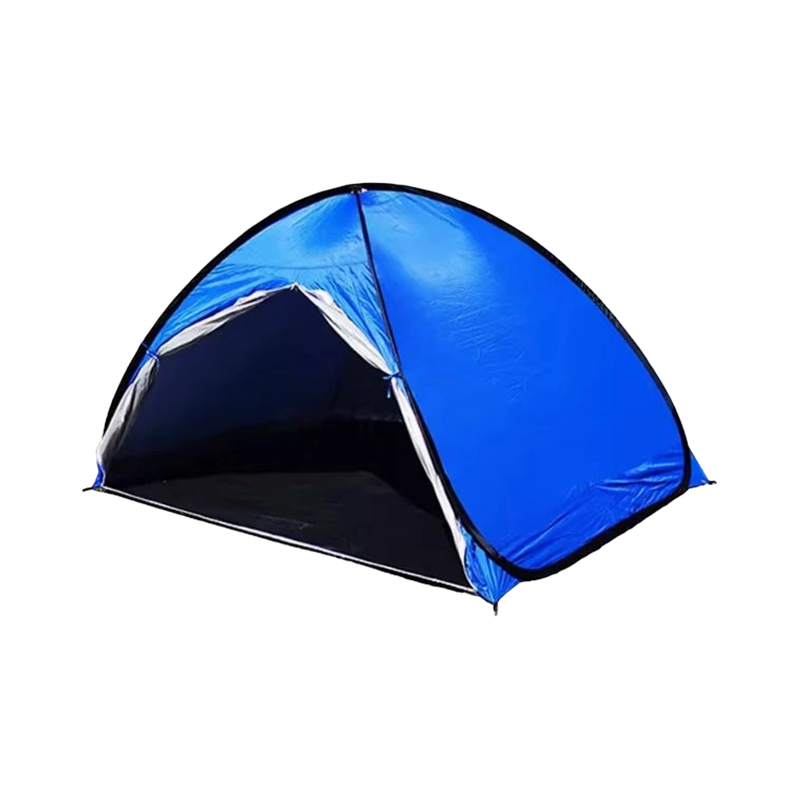
Pop-up tents represent the apex of setup simplicity. The Decathlon 2 Second Easy Tent lives up to its name — you pull it from the bag, tug two cords, and the tent springs into its final form. It's wind-resistant up to 30 mph and features blackout fabric that blocks 99% of daylight, making it excellent for sleeping in at car camping sites. However, there's an important nuance with pop-up tents that beginners often overlook: packing them back down is a learned skill. Unlike instant hub tents, which fold back into their bags without much hassle, pop-up tents require a specific folding technique that takes a few practice sessions to master.
Pop-Up Pros
- Literally seconds to deploy
- No tools or instructions needed
- Great for festivals and events
- Usually compact and affordable
Pop-Up Cons
- Packing down requires practice
- Less weather-resistant than hub tents
- Limited sizes (mostly 2–3 person)
- Not ideal for high-wind conditions
Instant Cabin Tents: Standing Room + Speed
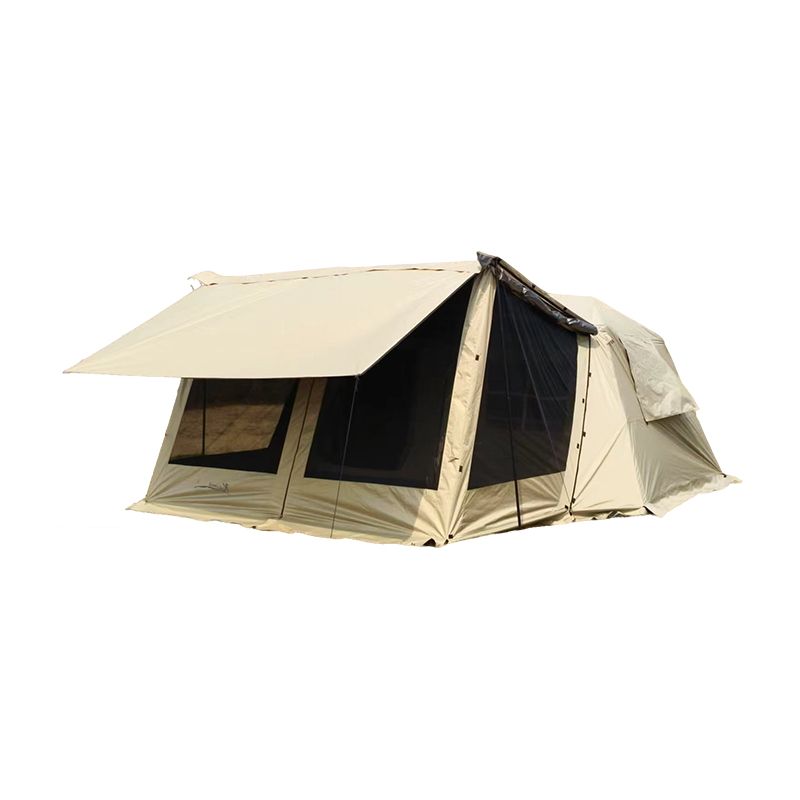
For families and campers who prioritize headroom alongside fast setup, instant cabin tents like the CORE 6-Person Instant Cabin deliver a remarkable combination. With a center height of 6 feet and a 60-second setup time, you get the livability of a traditional cabin tent without the pole-threading ordeal. These tents typically feature pre-attached poles that simply need to be unfolded and locked, similar in principle to setting up a portable canopy. They include rainflies, gear lofts, and large wall organizers — features that more minimalist pop-ups often lack.
What to Look for Beyond Setup Speed
Setup speed matters, but it's only one dimension of a good camping tent. Here are the factors that separate a genuinely great easy-setup tent from one that's fast to pitch but frustrating to live in:
Weather Resistance
Pop-up tents generally sacrifice weather resistance for convenience. If you're camping in an area prone to sudden storms, look for instant hub tents with a full-coverage rainfly and reinforced stake points. Hub tents like the Gazelle T4 use thick, durable fabrics and have been tested in serious weather. Pop-ups are better suited for fair-weather camping, festivals, and backyard sleepovers.
Packed Size and Weight
Instant tents are heavier than traditional designs — the Gazelle T4, for example, weighs around 31 pounds. This makes them ideal for car camping but impractical for backpacking. If you need an easy-setup tent for the trail, look at lightweight freestanding designs like the Nemo Dagger 2, which uses a color-coded, clip-on pole system that experienced backpackers can deploy in under five minutes.
Ventilation
Fast-setup tents can sometimes compromise on airflow. Look for tents with multiple mesh panels, adjustable vents, and the option to use the tent body without the rainfly on warm nights. The Fanttik Zeta C6 Pro, for example, allows you to leave the rainfly off for stargazing and maximum ventilation in good weather.
Interior Space and Height
If you're taller than average, peak interior height becomes critical. The Gazelle T4 Hub offers 6 feet 4 inches of center height — enough for most adults to stand comfortably. The CORE Instant Cabin tops out at 6 feet. Traditional dome tents typically have lower ceilings but better aerodynamics in wind.
Pro Tips for Setting Up Any Tent Faster
- Practice at home first. Set up your tent in the backyard before your trip. You'll catch any missing parts and learn the folding technique without the pressure of fading daylight.
- Lay everything out before starting. Unpack all components and identify them before beginning assembly. A few seconds of organization saves minutes of confusion.
- Orient correctly from the start. Position the tent door facing away from prevailing wind before you start the setup process — moving a half-assembled tent is awkward.
- Stake as you go. For pop-up and instant tents, staking corners as you expand the tent prevents the structure from shifting and makes the process smoother.
- Color-coded systems are your friend. If using a traditional pole tent, color-coded poles and clips can reduce setup time by 30–40% compared to older unlabeled systems.
- Keep the carry bag accessible. The biggest slowdown during pack-up is locating the carry bag. Designate a consistent spot for it each time you camp.
The Best Easy-Setup Tent for Solo Campers
Setting up a tent alone is a different challenge than setting one up with a partner. Large instant tents, while fast, can be awkward for one person to manage. For solo campers, the most manageable options are compact pop-up tents, small instant hub tents, and well-designed freestanding backpacking tents. The Nemo Dagger 2 is frequently recommended as the easiest backpacking tent to solo-pitch, thanks to its freestanding design that doesn't require staking to hold its shape during setup. Dome-style tents that use a single main pole with color-coded clips are also significantly easier to manage alone than larger multi-pole cabin structures.
Easy-Setup Tents for Families
Families benefit most from instant cabin tents. The ability to deploy a six-person shelter in under a minute while wrangling kids is genuinely transformative for the camping experience. Look for tents with T-style doors (which open like a French door for maximum airflow), large vestibules for gear storage, and interior organizer pockets that keep small items from getting lost in the chaos of family camping. The CORE Instant Cabin and Fanttik Zeta C6 Pro are consistently highlighted as the top easy-setup options in this category.
The Bottom Line: Which Is the Easiest Tent to Set Up?
If absolute speed is your priority, a pop-up tent like the Decathlon 2 Second Easy Tent wins — it's literally in its name. For most campers, however, the sweet spot is an instant hub tent. The Fanttik Zeta C6 Pro offers the fastest hub-style setup at an accessible price, while the Gazelle T4 Hub delivers premium build quality and genuine weather resistance without sacrificing speed.
For solo backpackers, the Nemo Dagger 2 strikes the best balance of quick deployment and trail-ready performance. For families, the CORE 6-Person Instant Cabin provides standing room, a 60-second setup, and all the features needed for a comfortable car camping experience.
Whatever category you choose, practice one setup at home before your first trip. Even the fastest tent becomes faster — and less stressful — with a single dry run under your belt.
-
09 Apr, 2026
There is no single best tent in the world — but there is a best tent for you, your conditions, and your style of adventure. Understanding what separates a great...READ MORE
-
25 Jun, 2026
A truly memorable family camping trip rarely happens by accident — it is built on thoughtful preparation and the right equipment. Choosing the ultimate gear fo...READ MORE
-
13 Aug, 2026
What An Inflatable Tent Is And How It Holds Its Shape An inflatable tent replaces traditional metal or fiberglass frames with an air-supported structure, using...READ MORE
-
14 May, 2026
A blackout air tent combines two of the most significant innovations in modern camping shelter design: inflatable air-beam technology and light-blocking fabric....READ MORE
-
16 Apr, 2026
body { font-family: Arial, sans-serif; color: #222; background: transparent; margin: 0; padding: 0; } section { margin-bottom: ...READ MORE
-
23 Apr, 2026
An ultralight pyramid tent is a minimalist shelter system built around a single central pole — or a trekking pole — with fabric that drapes outward in a four-s...READ MORE
-
+86-15867893553
- km@kaima-outdoor.com
- 6th Floor, Building 8, Wanyang Innovation City, Baifeng Street, Beilun District, Ningbo City, Zhejiang Province, China.
Copyright © Ningbo Kaima Outdoor Products Co., Ltd.All Rights Reserved.
 Custom Outdoor Lightweight/Packable Tent Manufacturers
