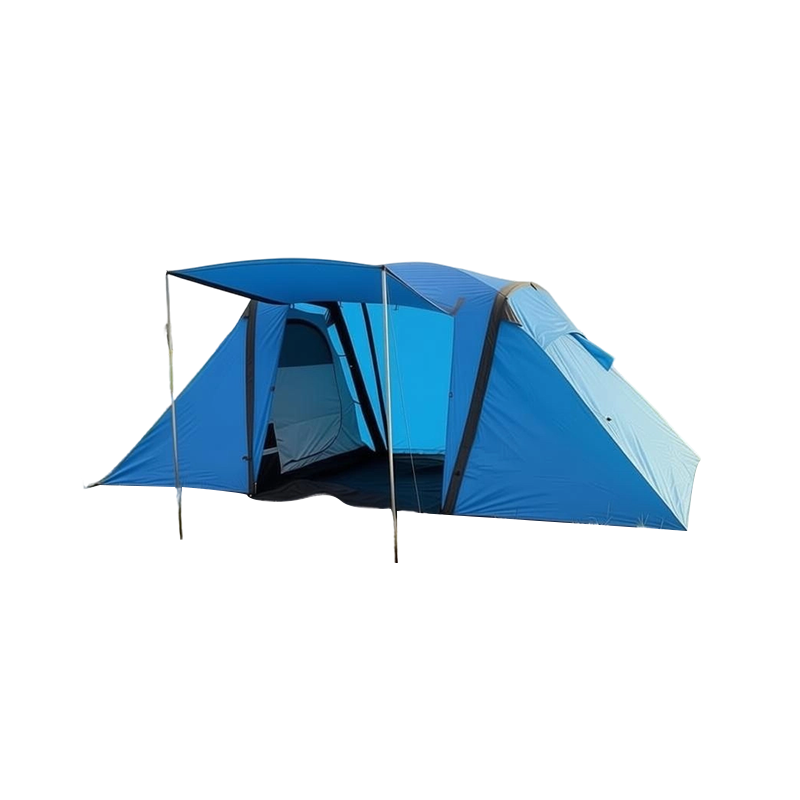
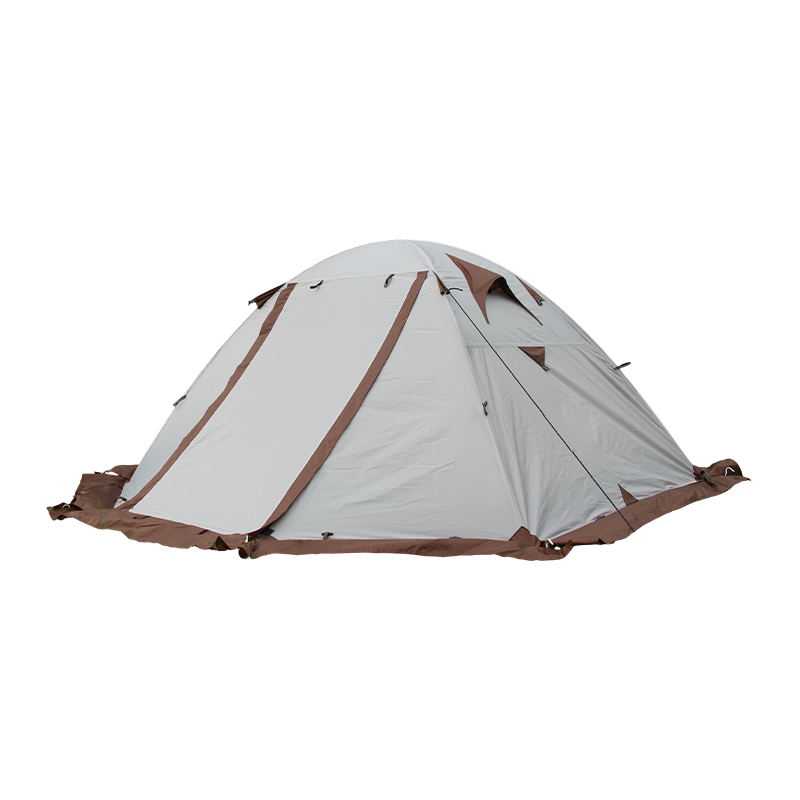
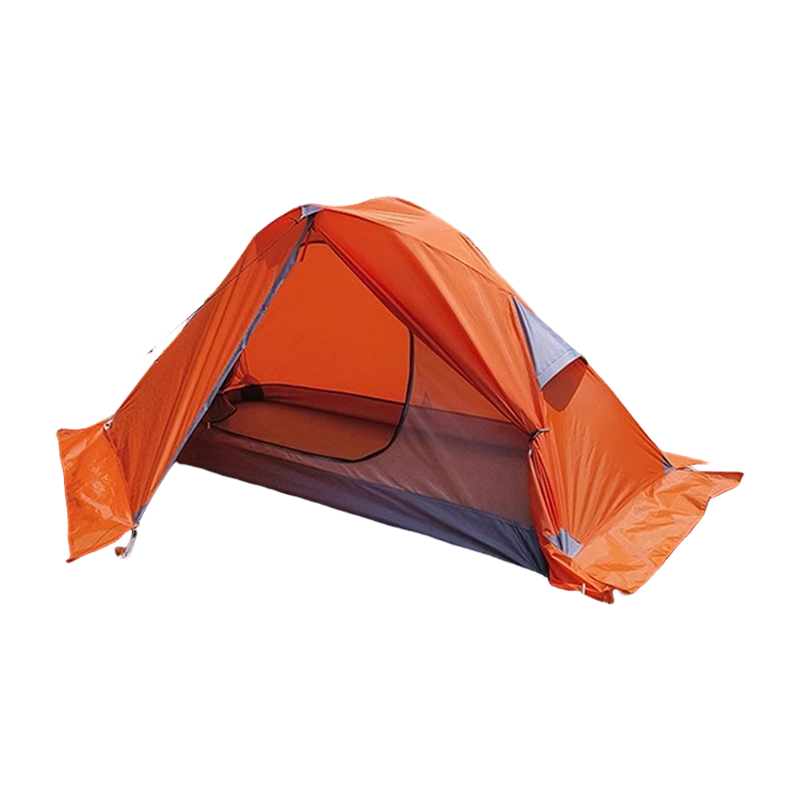
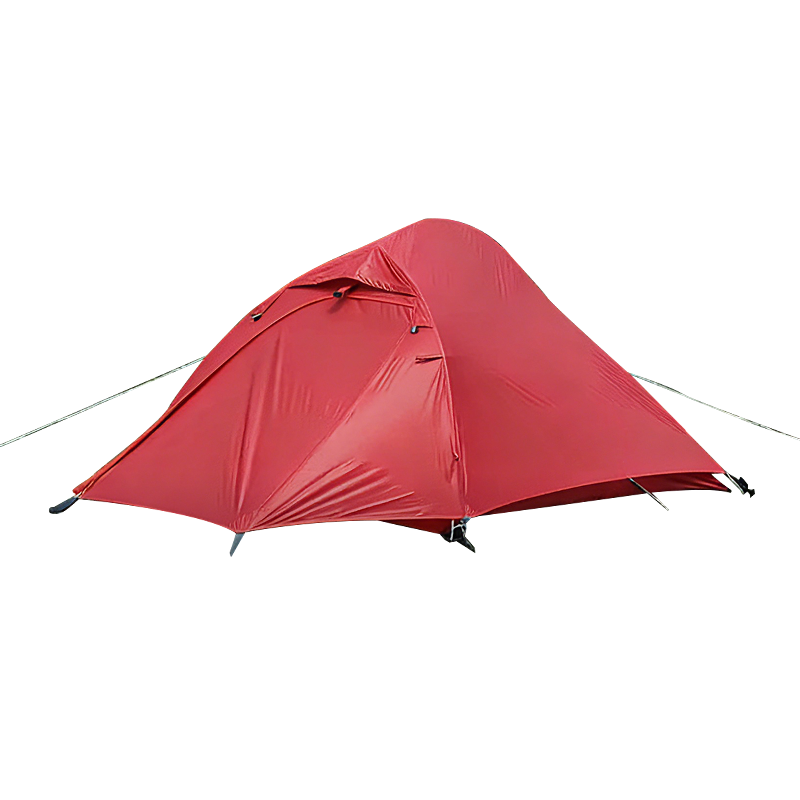
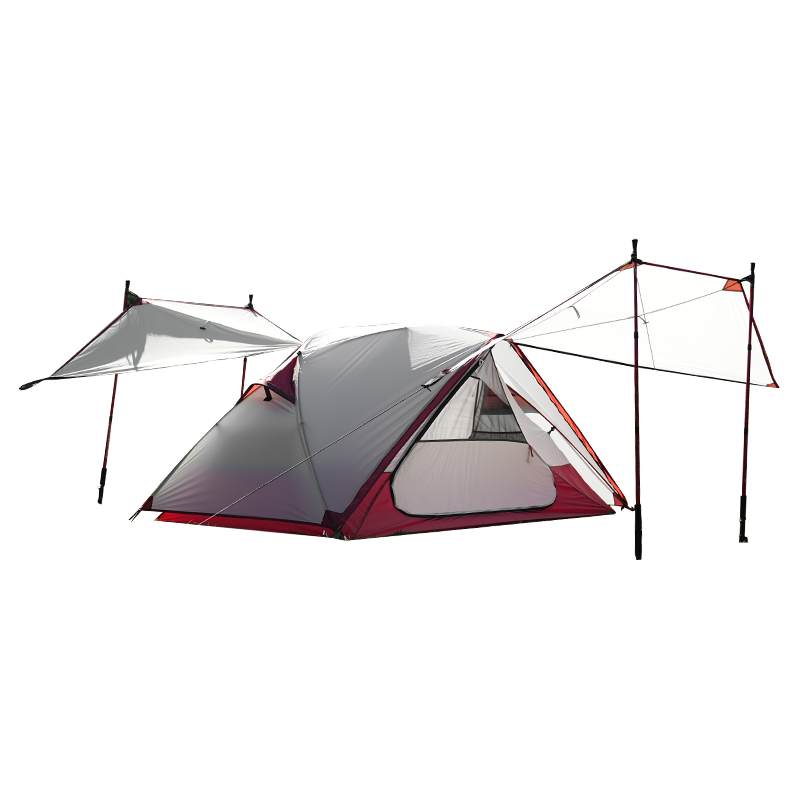
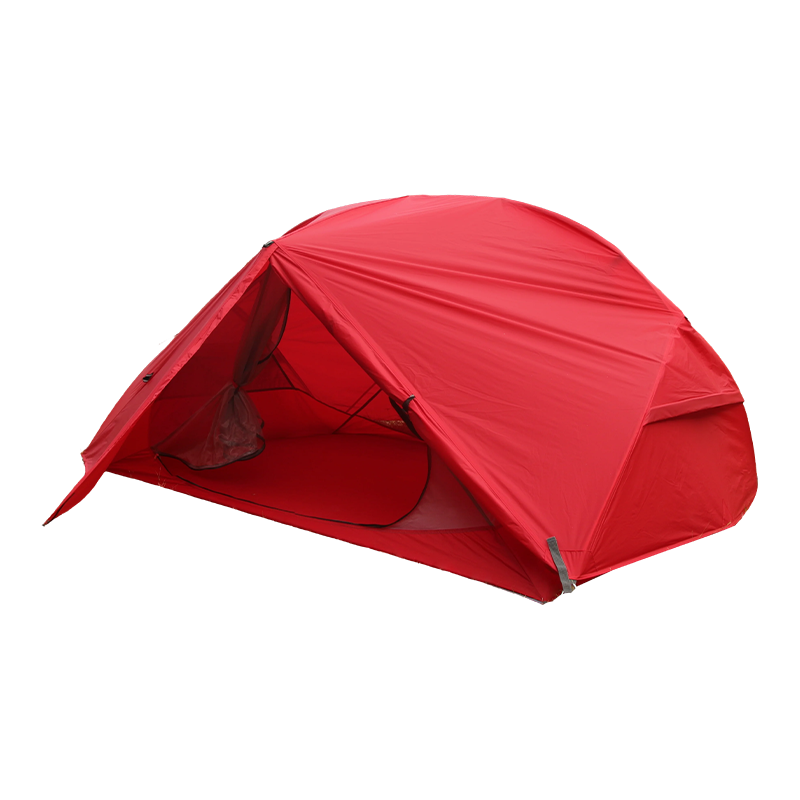
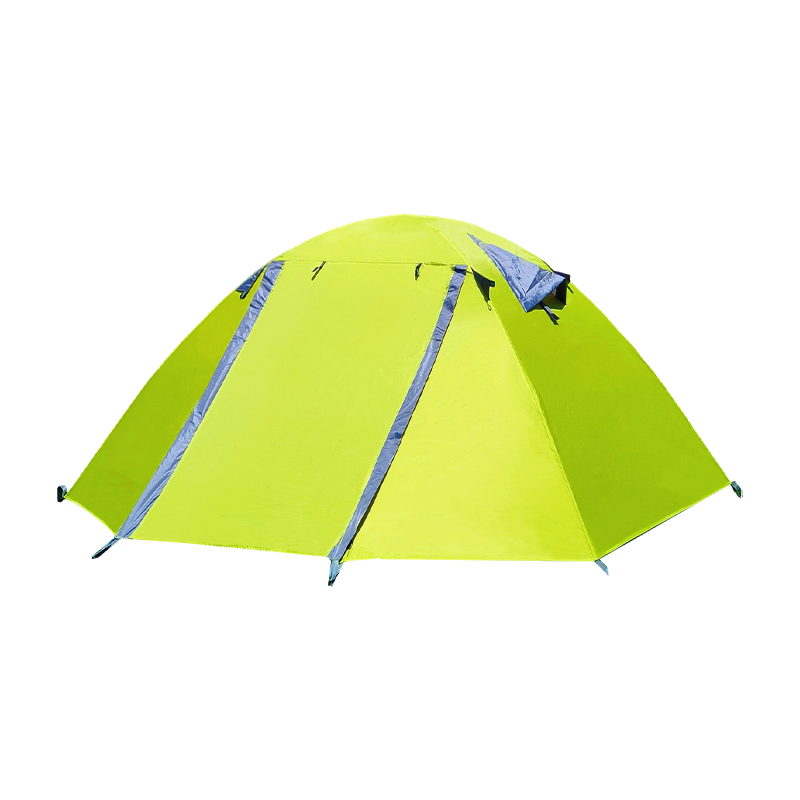
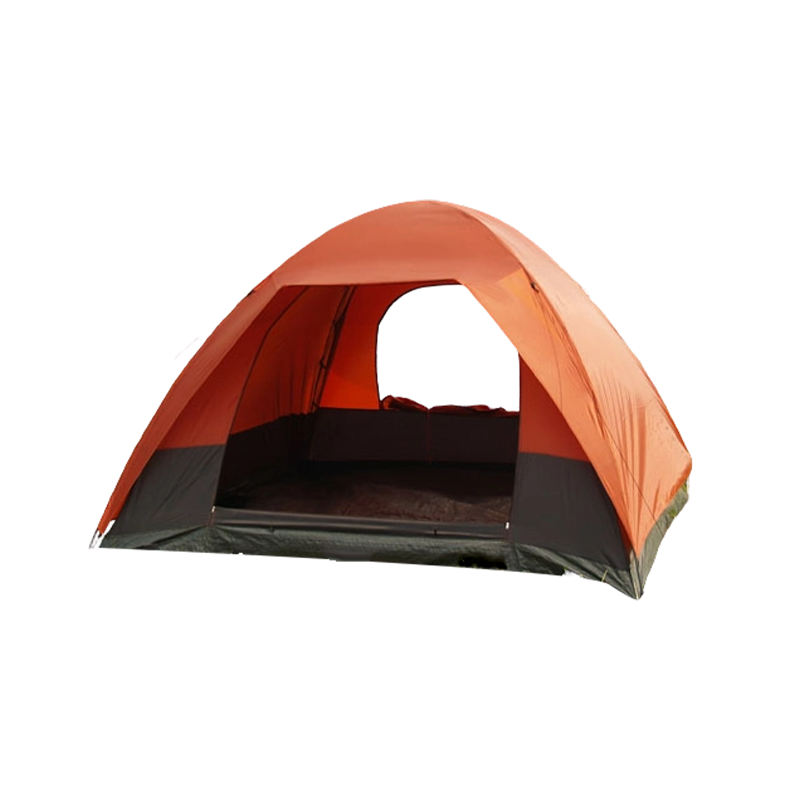
Performance Characteristics of Outdoor Tents: Waterproofing, UV Resistance, and Abrasion Resistance
Waterproofing Capabilities
Waterproofing is a critical factor in outdoor tent performance, determining how effectively a tent can keep occupants dry during rain or heavy dew. Fabrics such as polyester and nylon are commonly used due to their lightweight properties and compatibility with water-repellent coatings. These fabrics are typically treated with polyurethane (PU) or silicone layers to enhance water resistance. The hydrostatic head rating measures how much water pressure a fabric can withstand before leaking, which is a standard metric for comparing tents. Proper coatings and seam-sealing techniques ensure that tents perform reliably even in extended periods of rainfall, with reinforced floors and adjustable rainfly tension further improving protection against water intrusion.
UV Resistance and Material Durability
Exposure to ultraviolet (UV) radiation can gradually degrade tent fabrics over time, leading to reduced strength and discoloration. Polyester naturally offers higher UV resistance compared to nylon, but both can benefit from additional UV stabilizers or treatments. Fabric density and color also affect UV durability, with lighter colors reflecting sunlight and denser weaves providing better shielding. Optimizing UV resistance helps tents maintain structural integrity and usability during prolonged outdoor exposure. Companies with extensive design experience, like Ningbo Kaima Outdoor Products Co., Ltd., often incorporate such considerations into their tent designs to balance durability and convenience.
Abrasion Resistance and Wear Performance
Abrasion resistance determines how well a tent withstands friction from rough surfaces, rocks, and frequent handling. Reinforced fabrics, such as ripstop nylon and polyester, reduce tearing and wear, particularly in high-stress areas like tent corners, floors, and attachment points. Fabrics are tested for durability using methods like the Martindale or Taber abrasion tests, ensuring that tents can endure repeated use in rugged terrains without significant damage. Properly treated fabrics also resist pilling and maintain a smoother surface over time.
Comparison of Material Performance
| Property |
Polyester |
Nylon |
Common Coatings |
| Waterproofing (Hydrostatic Head) |
1,800–4,000 mm |
1,500–3,500 mm |
PU, Silicone |
| UV Resistance |
Moderate to High |
Moderate |
UV Stabilizers |
| Abrasion Resistance |
Moderate |
High |
Ripstop Weave, Coatings |
| Weight per Square Meter |
120–200 g |
90–180 g |
- |
Seam Construction and Protective Measures
Seams are commonly the most vulnerable areas in tents where water infiltration or tearing can occur. Techniques such as double stitching, seam taping, and heat sealing are used to reinforce these areas. Reinforced corners, floors, and entry points further improve resistance against abrasion and stress, while integrated ventilation systems reduce moisture buildup that can affect fabric longevity. These design elements ensure that tents remain reliable and practical under various outdoor conditions.
Maintenance and Longevity Considerations
Proper maintenance is essential for preserving tent performance. Cleaning fabrics with mild soap and water, ensuring tents are completely dry before storage, and avoiding prolonged sun exposure help maintain waterproofing, UV resistance, and abrasion resistance. Using ground sheets and rotating campsite placement can reduce friction and wear. With decades of expertise in tent design and manufacturing, Ningbo Kaima Outdoor Products Co., Ltd. provides practical guidance to help users extend the lifespan of their tents while keeping them fully functional.
FAQ
Q: How can the waterproofing level of an outdoor tent affect its performance in heavy rain?
A: The waterproofing level determines how well the tent fabric can resist water penetration. At Ningbo Kaima Outdoor Products Co., Ltd., tents are designed with coatings and seam sealing that meet specific hydrostatic head ratings, providing reliable water resistance suitable for different weather conditions.
Q: What role does UV resistance play in the longevity of an outdoor tent?
A: UV resistance protects the fabric from weakening or fading under sunlight. Using years of outdoor tent design experience, Ningbo Kaima Outdoor Products Co., Ltd. selects fabrics and applies UV treatments that help maintain durability even under prolonged sun exposure.
Q: How does abrasion resistance influence the usability of camping tents in rugged environments?
A: Abrasion resistance affects how well the tent withstands friction from rough surfaces or frequent handling. The tents designed by Ningbo Kaima Outdoor Products Co., Ltd. use reinforced fabrics to reduce wear, ensuring the tents remain practical for repeated outdoor use.
Q: Why is seam construction important in maintaining the outdoor tent’s performance?
A: Seams are potential weak points where water or tearing can occur. Drawing on more than twenty years of manufacturing experience, Ningbo Kaima Outdoor Products Co., Ltd. employs reinforced stitching and taped seams to enhance both waterproofing and longevity.
Q: How do coatings and treatments improve the performance of outdoor tents?
A: Coatings such as polyurethane or silicone enhance waterproofing and abrasion resistance, while UV treatments help prevent sun damage. The research and design team at Ningbo Kaima Outdoor Products Co., Ltd. carefully selects these treatments to maintain the tent's practical performance.
Q: What factors should be considered when choosing an outdoor tent for frequent travel?
A: Factors like material strength, waterproofing, UV resistance, weight, and ease of setup are important. Tents developed by Ningbo Kaima Outdoor Products Co., Ltd. balance these factors, providing convenience and durability for frequent outdoor use.
Q: How does proper maintenance affect the performance of an outdoor tent?
A: Regular cleaning, drying before storage, and avoiding prolonged sun exposure help preserve waterproofing, UV resistance, and fabric strength. With guidance from Ningbo Kaima Outdoor Products Co., Ltd., users can maintain their tents for extended practical use.



 English
 Español
 русский
 Deutsch
 عربى
عربى