

 English
 Español
 русский
 Deutsch
 عربى
عربى
Go lighter, go farther. The ultralight hiking philosophy — commonly abbreviated as UL — has reshaped how hikers approach every ounce in their pack, turning gear selection into a deliberate craft where material science, trail experience, and personal risk tolerance converge.
Ultralight hiking gear (UL gear) refers to equipment specifically designed or selected to minimize pack weight without sacrificing the safety and functionality required for backcountry travel. While there is no universally fixed threshold, the UL community broadly defines a base weight — everything in your pack excluding food, water, and fuel — of under 10 lbs (4.5 kg) as ultralight, with sub-5 lb (2.3 kg) rigs earning the coveted "super-ultralight" (SUL) designation. The shift from a traditional 30–40 lb load to an ultralight 15–20 lb carry is not trivial: it changes the biomechanics of every step, reduces cumulative joint stress across a long trip, and fundamentally expands what terrain and daily mileage a hiker can reasonably pursue.
This guide examines the principles, gear categories, materials, trade-offs, and practical strategies that define the UL approach — from your first conscious ounce-counting session to a fully dialed sub-10 lb kit ready for a thru-hike of the PCT or a remote alpine traverse.
The UL Philosophy: More Than Just Cutting Weight
The ultralight movement traces its modern origins to the writing and evangelism of Ray Jardine, whose late-1990s guides to the Pacific Crest Trail introduced the hiking community to a systematic framework for shedding pack weight. Jardine's core insight was deceptively simple: most hikers carry far more gear than conditions require, driven by fear of edge cases rather than honest assessment of likely scenarios. By choosing gear matched to expected rather than worst-case conditions, and by developing the skills to manage adversity with lighter tools, hikers could transform a punishing 40 lb slog into a joyful, flowing experience.
The UL philosophy rests on three interdependent pillars. The first is conscious gear selection: every item in the pack must justify its weight through measurable function, with luxury items scrutinized against their gram cost. The second is skill substitution: knowledge and technique replace hardware wherever possible — a practiced camp cook needs less cookware than a novice; a confident navigator carries fewer backup tools. The third is environmental matching: gear is selected for the specific conditions of a planned trip, not for a hypothetical worst-case that may never materialize.
Importantly, UL hiking is not synonymous with unsafe hiking. The lightest possible kit for a summer weekend trip in the Sierra Nevada is inappropriate for a shoulder-season route in the Scottish Highlands. Responsible UL practitioners develop deep familiarity with weather patterns, their personal thermoregulation, and the consequences of equipment failure in their target environments before aggressively reducing pack weight in safety-critical categories.
"The goal isn't to carry as little as possible — it's to carry exactly what you need and nothing more. In the UL world, every extra ounce is a question you haven't answered yet."
The Big Three: Where UL Gains Are Won
Experienced UL hikers universally point to the Big Three — shelter, sleep system, and pack — as the categories offering the greatest absolute weight savings. Combined, they typically account for 60–70% of a traditional hiker's base weight, which means that intelligent choices here move the needle more than obsessing over toothbrush weight ever could.
Ultralight Shelters
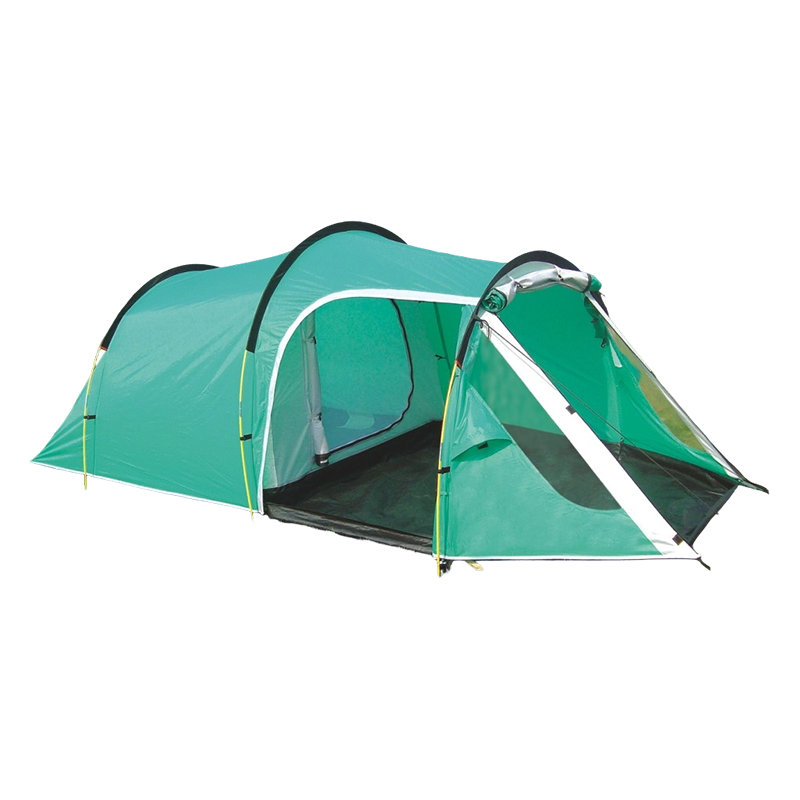
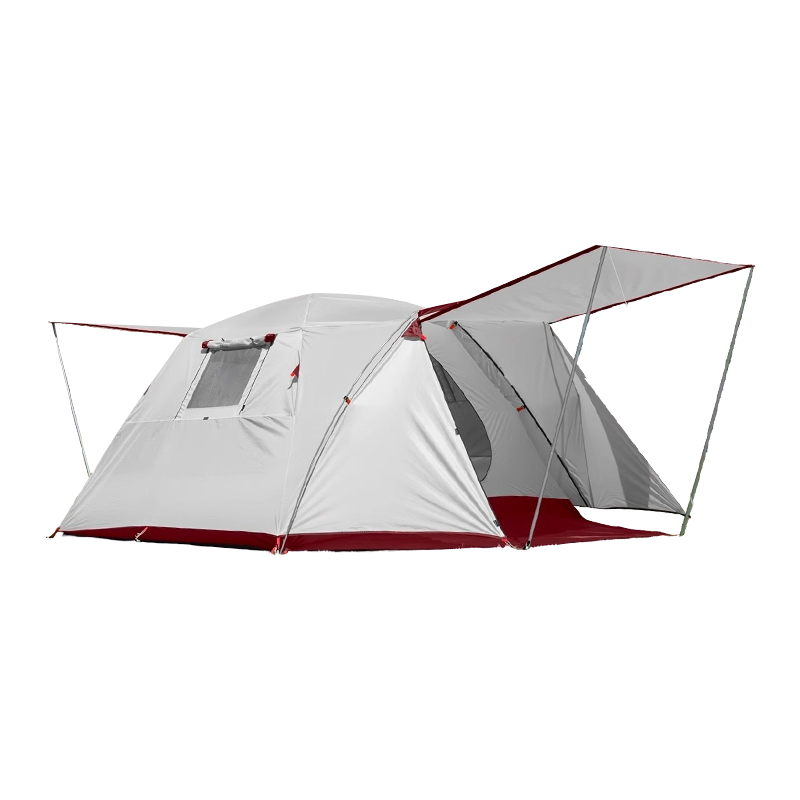
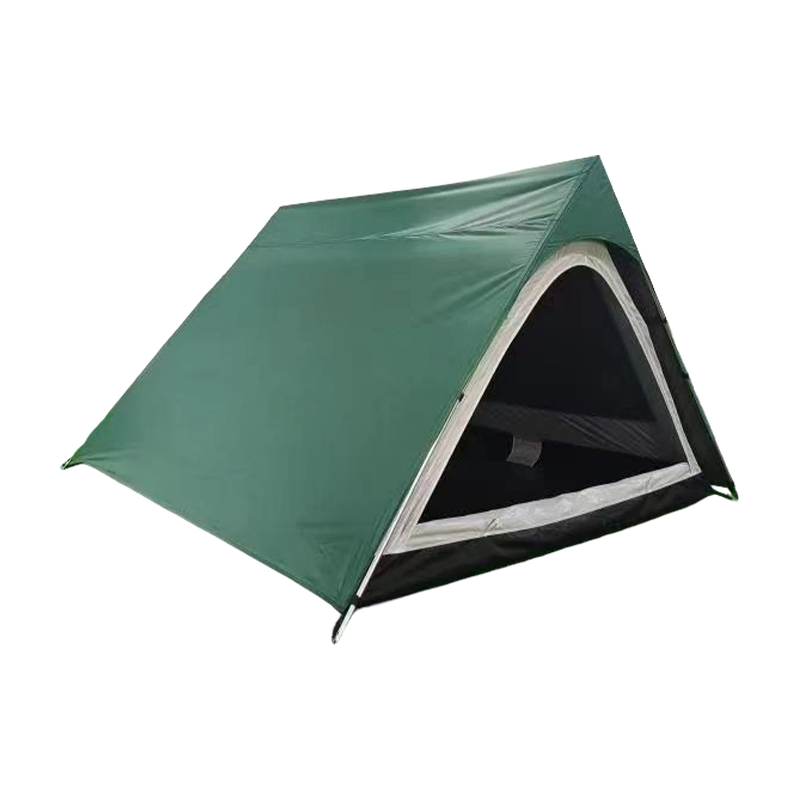
The shift from a traditional double-wall tent to UL shelter alternatives is where many hikers first experience the transformative impact of the UL approach. A full-featured backpacking tent from mainstream brands weighs 4–6 lbs; purpose-built UL shelters operate in the 1–2.5 lb range, with the lightest cuben fiber (Dyneema Composite Fabric) designs approaching 12–18 oz for a two-person shelter.
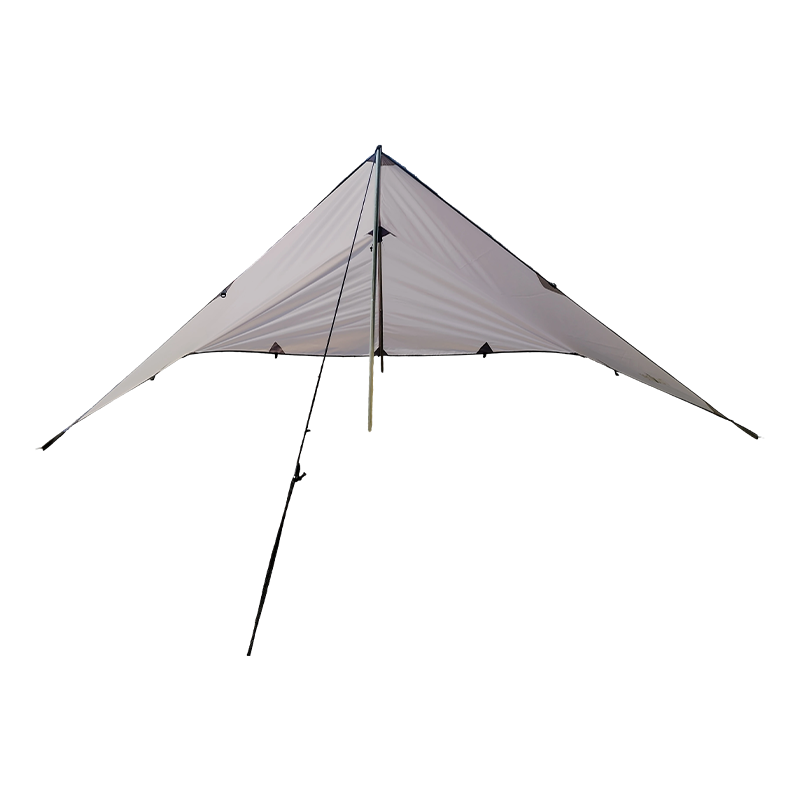
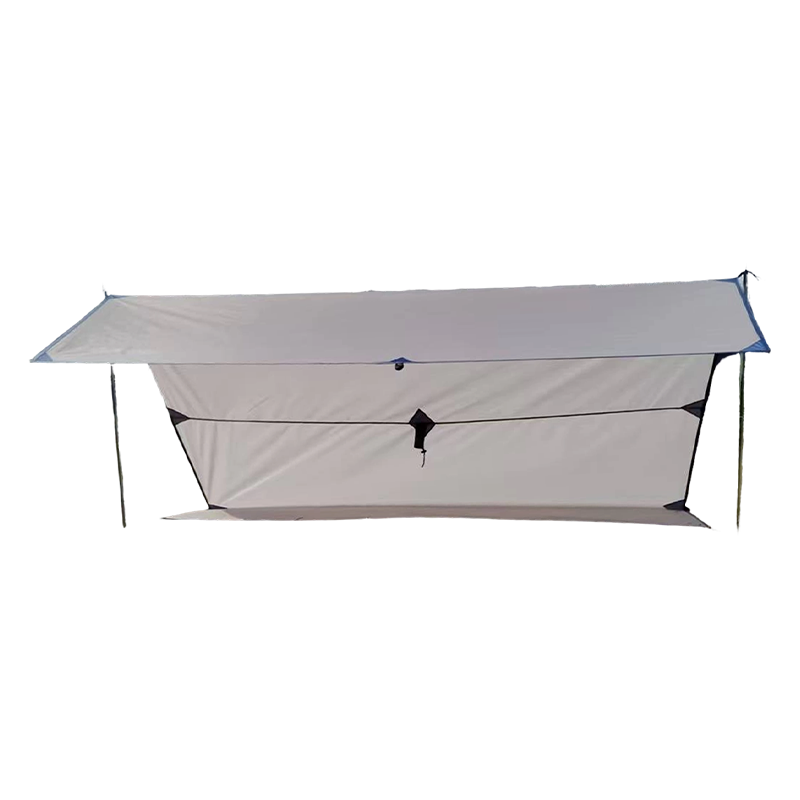
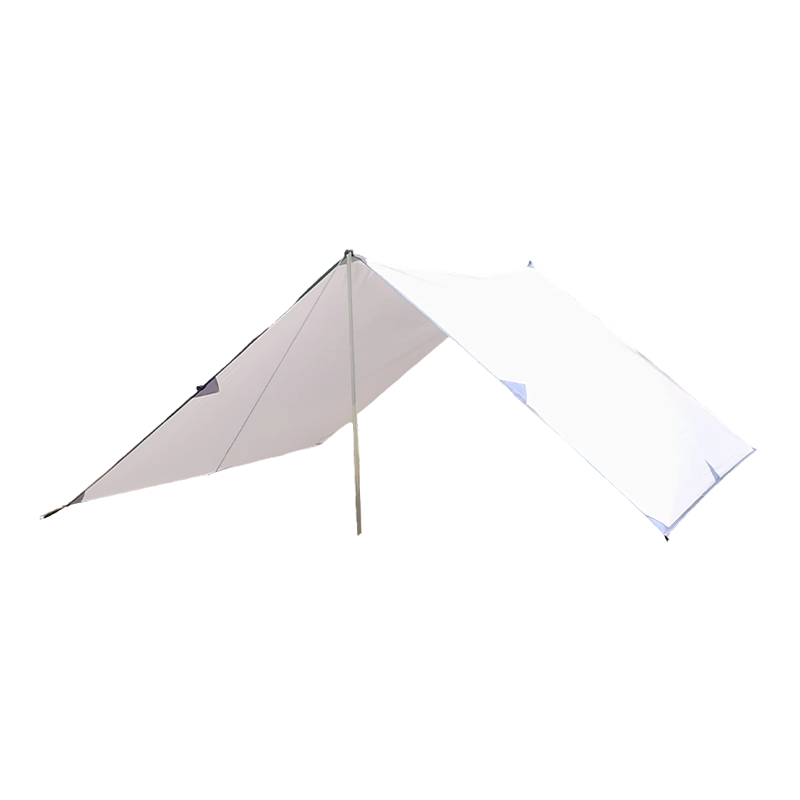
UL shelter categories span a spectrum of weight, packability, and weather protection. Tarps represent the minimalist extreme: a rectangular or shaped tarp of silnylon or DCF (Dyneema Composite Fabric) weighing as little as 5–8 oz provides rain protection and wind deflection for hikers comfortable pitching and repositioning shelter through the night. Bivy sacks — waterproof-breathable enclosures for a sleeping bag — weigh 8–14 oz and eliminate the need for a separate shelter in dry, calm conditions while providing emergency protection in unexpected rain. The most popular UL choice is the trekking pole shelter: a tent or tarp design that uses trekking poles already carried for locomotion as structural supports, eliminating the weight of dedicated tent poles entirely. Designs like the Zpacks Duplex, Tarptent Notch, and HMG Dirigo 2 have achieved near-legendary status in the UL community for combining livable interior volume with sub-30 oz total weights.
Ultralight Sleep Systems
A sleeping bag and sleeping pad together comprise the sleep system, and this category rewards careful temperature matching perhaps more than any other. Sleeping bags are rated to a comfort temperature; buying a bag rated to 15°F for a trip where overnight lows are reliably above 35°F represents pounds of carried insurance that trail experience makes unnecessary. Down insulation — particularly high-loft 850+ fill power goose down — offers an unmatched warmth-to-weight ratio in dry conditions. A 20°F rated UL down sleeping bag from Zpacks, Western Mountaineering, or Feathered Friends weighs 18–22 oz; synthetic equivalents at the same temperature rating weigh 30–40% more but retain loft when wet — a critical consideration in reliably damp environments like the Pacific Northwest.
Sleeping pads contribute meaningfully to both comfort and thermal protection. Closed-cell foam pads (such as the Therm-a-Rest Z-Lite Sol) weigh as little as 14 oz and are essentially indestructible, but their insulation-to-bulk ratio is lower than inflatable options. Ultralight inflatable pads with R-values of 2–4 appropriate for three-season use weigh 12–18 oz and compress to fist size. Many experienced UL hikers combine a short torso-length foam pad (protecting the critical core from ground cold) with a lightweight quilt rather than a full mummy bag, shaving further weight from both categories.
Ultralight Packs
A frameless or minimally structured UL pack is both a consequence and an enabler of the ultralight approach. Traditional hiking packs with aluminum stays, thick hip belt padding, and load-transfer suspension systems weigh 4–6 lbs and are engineered to distribute 40–60 lb loads ergonomically. When base weight drops below 15 lbs, much of that suspension engineering becomes unnecessary weight rather than necessary support. UL frameless packs from brands like Zpacks, Gossamer Gear, and Hyperlite Mountain Gear weigh 10–20 oz and rely on the sleeping pad slid into an internal sleeve for structure. The Gossamer Gear Gorilla (36 oz, 48L) represents a middle ground that retains a minimal frame sheet and modest hip belt while still undercutting mainstream packs by several pounds.
Materials Science: The Foundation of UL Performance
UL gear's weight reductions would be impossible without advances in textile and materials engineering that deliver greater strength and weather resistance per gram than any previous generation of outdoor materials. Understanding these materials helps hikers make informed choices and manage realistic expectations about durability and cost.
The trade-off embedded in most UL materials is cost versus durability. Dyneema Composite Fabric (DCF, formerly Cuben Fiber) shelter fabrics resist tearing and moisture absorption with extraordinary effectiveness, but they are significantly stiffer and more puncture-vulnerable than traditional tent fabrics under abrasion from rocks and branches. High-fill-power down loses its insulating performance when wet more rapidly than lower-loft synthetic fills. Carbon fiber trekking poles can shatter under lateral impact loads that aluminum poles would absorb with a bend. None of these compromises are disqualifying — they simply require informed use habits and route selection awareness that match gear choice to environment.
Essential UL Gear Categories: The Full System
Beyond the Big Three, every remaining gear category offers UL optimization opportunities. The cumulative weight of dozens of small decisions — clothing layers, cookware, navigation tools, first aid, lighting — determines whether a pack sits comfortably under the UL threshold or creeps back toward conventional weights.
UL Cookware and Kitchen
Titanium or aluminum pots at 2–4 oz. Alcohol stoves (esbit or DIY) weighing under 0.5 oz. Many UL hikers adopt cold-soaking — rehydrating meals in a sealed jar with no cooking at all — to eliminate stove weight entirely on suitable trips.
Water Treatment
Sawyer Squeeze or Platypus GravityWorks filters at 3 oz replace heavier pump filters. Aquatabs chemical treatment at 0.1 oz serves as emergency or backup. Soft flasks (1 oz each) replace rigid Nalgene bottles for substantial savings.
A smartphone loaded with Gaia GPS or Caltopo offline maps eliminates dedicated GPS units. Printed paper map sections at under 0.5 oz serve as backup. Compass skills allow a 1.5 oz baseplate compass to replace heavier electronic nav aids.
Trekking Poles
Carbon fiber poles at 14–18 oz per pair serve dual duty as shelter supports, eliminating tent pole weight. Folding carbon poles (Black Diamond Distance Carbon Z) pack smaller than telescoping models for travel convenience.
Clothing System
Merino wool base layers, a wind shirt (3–5 oz), a mid-layer fleece, and a waterproof shell replace heavy insulated jackets. The UL principle: layer systems adapt; single heavy garments do not. Down sweaters provide emergency warmth at 8–12 oz.
Footwear
Trail runners (8–12 oz/shoe) versus traditional leather boots (24–32 oz/shoe). Studies show each pound on the feet requires 5x more energy expenditure than the same pound on the back. Trail runner advocates accept reduced ankle support in exchange for dramatically reduced fatigue.
Repair and Safety
Tenacious Tape, a sail needle, and dental floss at 0.5 oz cover most gear repair scenarios. A cuben fiber dry bag at 0.6 oz replaces a 4 oz stuff sack. An emergency bivy at 3.5 oz provides life-safety backup weight that no experienced UL hiker omits.
Lighting
Headlamps under 1 oz (Petzl Bindi: 0.9 oz, 200 lumens) handle most camp lighting needs. Single AAA or USB-rechargeable designs eliminate spare battery weight for trips under five days. Minimalists use a phone torch for short trips, accepting battery consumption trade-off.
UL Gear Comparison: Key Categories at a Glance
| Category | Traditional Weight | UL Weight | SUL Weight | Top UL Options |
|---|---|---|---|---|
| Shelter (2P) | 4–6 lb | 20–36 oz | 10–18 oz | Zpacks DuplexTarptent Notch |
| Sleeping Bag (20°F) | 3–4 lb | 18–26 oz | 14–18 oz | WM UltralightZpacks 20°F |
| Sleeping Pad (3-season) | 24–32 oz | 12–18 oz | 10–14 oz | NeoAir UberLiteZ-Lite Sol |
| Pack (50–60L) | 4–6 lb | 16–32 oz | 8–14 oz | Gossamer GorillaHMG 3400 |
| Trekking Poles (pair) | 20–28 oz | 14–18 oz | 10–13 oz | BD Distance ZGossamer LT5 |
| Rain Jacket | 12–20 oz | 6–10 oz | 3–5 oz | Outdoor Research HeliumArc'teryx Norvan |
| Cook System | 16–24 oz | 4–8 oz | 0–3 oz | BRS-3000T stoveCold-soaking |
| Water Treatment | 8–12 oz | 3–5 oz | 0.1–1 oz | Sawyer SqueezeAquatabs |
Trade-offs, Risks, and the UL Learning Curve
The UL community has occasionally been criticized for normalizing gear choices that reduce safety margins, and the criticism contains a kernel of truth: a hiker who rushes from a conventional kit to a SUL setup without corresponding skill development and environmental knowledge is genuinely more vulnerable than one who makes the transition thoughtfully. Understanding the real trade-offs in each category is essential for responsible UL practice.
Weather Protection
Ultralight rain gear and shelters prioritize weight and packability, often at some cost to weather protection margin. A 4 oz wind shirt handles 80% of weather scenarios; it is not a substitute for a full waterproof-breathable shell in persistent heavy rain. Single-wall shelters condensate more than double-wall designs in cold, humid conditions. These are not flaws — they are documented characteristics that require route and season matching. The hiker who carries a 4 oz wind shirt on a July Sierra Nevada trip is making a well-calibrated decision; the same hiker using it as their sole rain protection on a November trip in the North Cascades has made a dangerous error.
Durability and Repairability
DCF fabrics, silnylon at low denier counts, and carbon fiber components all offer reduced durability compared to their heavier conventional equivalents. A 10-denier DCF tarp floor will not survive casual dragging across granite. Carbon fiber trekking poles should not be used to lever rocks or probe ice. Carrying a small repair kit — tenacious tape, a spare tip for poles, seam sealer — and developing a camp habit of treating UL gear with appropriate care extends the functional life of these materials substantially.
Cold and Emergency Margins
Experienced UL hikers consistently emphasize that some weight categories are not appropriate candidates for aggressive reduction. Emergency shelters, first aid capability, and sleep system warmth ratings represent life-safety margins that should be calibrated conservatively regardless of how experienced the hiker. Many UL practitioners who would not carry a spare spork will always carry a lightweight emergency bivy, extra insulation, and first aid supplies appropriate for self-rescue in their target terrain.
The most effective UL optimization process starts with a spreadsheet, not a gear purchase. List every item you currently carry, weigh it to the gram, and force yourself to answer "why is this here?" for each one. Most hikers discover 2–4 lbs of gear that serves no clear function on their specific trip before spending a dollar on new UL equipment.
Building Your UL Kit: A Practical Starting Framework
For hikers transitioning to a UL system, the priority sequence matters enormously. Spending heavily on gram-weenie accessories while carrying a 5 lb tent produces poor results. The investment logic follows the weight distribution: optimize Big Three first, then footwear, then clothing system, then consumables and accessories.
- Weigh everything you currently own. Before buying anything, establish a baseline. Apps like Lighterpack allow you to log and visualize your current pack weight by category, making optimization priorities immediately visible.
- Address your shelter first. Transitioning from a 5 lb tent to a trekking pole shelter at 25 oz is the single highest-impact change available for most traditional-kit hikers. Borrow or rent before buying to test comfort with a non-freestanding pitch.
- Recalibrate your sleep system temperature rating. Review your actual trip history: what was the coldest night you experienced? A 30°F sleeping bag is likely appropriate for most three-season hikers who have historically carried 15°F bags "just in case."
- Switch to a frameless or minimal-frame pack only after reducing base weight below 15 lbs. Carrying a 20 lb base weight in a frameless pack is uncomfortable and potentially injurious. The pack transition should follow, not precede, the weight reduction it enables.
- Evaluate trail runners for your terrain. On maintained trails with manageable river crossings, trail runners at 10 oz per shoe versus boots at 28 oz per shoe represent over a pound of savings with well-documented benefits to energy expenditure and step rate.
- Audit your food strategy. Calorie density — calories per ounce of food — is as important as base weight in overall carry weight. Olive oil (250 cal/oz), nut butters (170 cal/oz), and freeze-dried meals (100–130 cal/oz) represent the UL food spectrum. Targeting 100+ cal/oz reduces food carry weight significantly over multi-day trips.
- Never cut from emergency and navigation categories without equivalent skill development. Carrying a lightweight compass only makes sense if you can use it. A lighter first aid kit only makes sense if you have wilderness first aid training to deploy it effectively.
Cottage Manufacturers vs. Major Brands: The UL Gear Ecosystem
The ultralight hiking gear market occupies a fascinating dual structure. Large outdoor industry brands — REI, Osprey, MSR, The North Face — have progressively introduced UL-oriented product lines as the category has grown, bringing mass-market distribution, warranties, and retail accessibility to weight-conscious designs. At the same time, a thriving ecosystem of small-batch "cottage" manufacturers has built the technical frontier of UL gear, serving a community of enthusiasts who prioritize gram counts and material quality over brand recognition and return policies.
Cottage manufacturers like Zpacks (DCF shelters and packs), Enlightened Equipment (down quilts), Tarptent (trekking pole shelters), Gossamer Gear (ultralight packs and poles), and Hammock Gear (quilts and hammock systems) produce gear that consistently sets the weight standard in their respective categories. Lead times of 4–12 weeks, limited sizing and color options, and minimal warranty infrastructure are accepted by customers who understand they are purchasing at the technical edge of what UL design makes possible. The tradeoff is worth it for many: a Zpacks Arc Blast pack at 15.8 oz carrying a 15 lb load outperforms most conventional 3 lb packs in both comfort and trail feel.
Why Every Ounce Is a Choice Worth Making
The ultralight hiking philosophy, at its best, is not an obsession with gear minimalism — it is a practice of intentionality applied to every decision that affects the experience of moving through wild places. When a hiker sheds 15 lbs from their pack through careful gear selection, material upgrades, and honest trip-specific calibration, the benefits extend far beyond reduced shoulder strain. Their pace quickens. Their range expands. Their attention shifts from managing discomfort to experiencing terrain. Recovery between hiking days improves, enabling longer trips without the accumulating physical cost that heavy loads impose.
The material science enabling UL gear continues to advance: lighter and stronger fabrics, better insulation technologies, more efficient water treatment, and increasingly capable electronic tools that consolidate the function of multiple single-purpose items into a single lightweight package. The community of UL practitioners sharing knowledge, gear reviews, and trip reports across forums, trail registers, and dedicated platforms accelerates individual learning curves in ways that previous generations of hikers lacked entirely.
Whether you are engineering a sub-5 lb SUL kit for a high-route adventure or simply trying to reduce your weekend pack weight from 40 lbs to a more manageable 22 lbs, the UL framework offers a principled, evidence-based path forward — one measured in grams, experienced in miles, and ultimately validated by the quality of time spent in the places that make hiking worth doing in the first place.