


 English
 Español
 русский
 Deutsch
 عربى
عربى
Why Is a High UPF Portable Beach Tent the Essential Choice for Modern Sun Safety and Coastal Comfort?
Content
- 1 What Is a High UPF UV Protection Portable Beach Sun Shelter
- 2 Understanding UPF Ratings
- 3 Why Sun Protection Matters Beyond Avoiding Sunburn
- 4 Core Features of a Quality Beach Sun Shelter
- 5 Types of Portable Beach Sun Shelters
- 6 The Wellness Dimension of Sun Protection
- 7 How to Set Up and Use a Beach Sun Shelter Effectively
- 8 Maintenance and Care Tips
- 9 Common Mistakes to Avoid
- 10 Choosing the Right Shelter for Your Needs
- 11 Frequently Asked Questions
- 12 Final Thoughts
A day at the beach is one of life's simplest pleasures, yet it carries a hidden risk that many people underestimate until years of cumulative sun exposure begin to show their effects on the skin. A high UPF UV protection portable beach sun shelter addresses this risk directly, offering a practical, easy to carry solution that allows families and individuals to enjoy the outdoors without sacrificing skin health. This guide explores what these shelters are, how UPF ratings work, why sun protection matters far beyond avoiding a sunburn, and how choosing the right shelter supports a broader sense of physical wellness that extends well past the beach itself.
What Is a High UPF UV Protection Portable Beach Sun Shelter
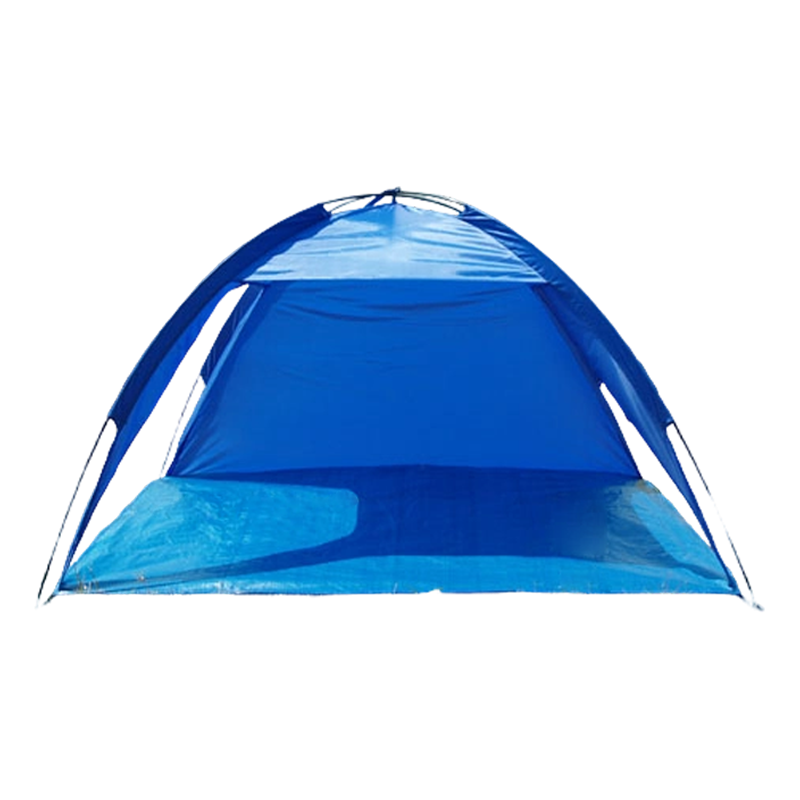
A portable beach sun shelter is a lightweight, easy to assemble structure designed to provide shade in outdoor settings such as beaches, parks, sporting events, and campsites. Unlike a traditional beach umbrella, many modern shelters are designed as pop up tents or canopy style structures that offer shade from multiple angles, including low angle morning and evening sun that a single umbrella often fails to block. The defining feature that separates a basic shade structure from a true UV protection shelter is its UPF rating, which measures how effectively the fabric blocks ultraviolet radiation from reaching the skin underneath.
High UPF shelters are constructed using tightly woven fabrics, often treated with special coatings, that are specifically engineered to filter out the majority of harmful UV rays. This makes them fundamentally different from ordinary canvas or nylon tents, which may block visible light and create the appearance of shade while still allowing significant ultraviolet radiation to pass through. A shelter marketed specifically as UPF rated has been tested to confirm its actual protective capability, giving users confidence that the shade they are standing in is genuinely reducing their UV exposure.
Understanding UPF Ratings
UPF stands for Ultraviolet Protection Factor, and it functions similarly to the SPF rating found on sunscreen, though it measures fabric rather than topical products. The scale generally ranges from UPF 15 to UPF 50 plus, with higher numbers indicating a greater percentage of UV radiation blocked by the material.
| UPF Rating | UV Radiation Blocked | Protection Category |
|---|---|---|
| UPF 15 to 24 | Approximately 93 to 95 percent | Good protection |
| UPF 25 to 39 | Approximately 96 to 97 percent | Very good protection |
| UPF 40 to 50 plus | Approximately 98 percent or higher | Excellent protection |
For beach use, where exposure time is often extended and reflection from sand and water intensifies UV exposure, a shelter rated UPF 50 plus is generally considered the gold standard. This level of protection blocks the overwhelming majority of ultraviolet radiation, significantly reducing the cumulative sun exposure experienced during a typical beach outing.
Key insight: Sand and water can reflect a substantial portion of ultraviolet radiation back upward, meaning beachgoers are often exposed to UV rays from multiple directions at once. A high UPF shelter designed to block light from the sides as well as overhead offers meaningfully better protection than a simple overhead umbrella.
Why Sun Protection Matters Beyond Avoiding Sunburn
Many people associate sun protection primarily with avoiding the discomfort of a sunburn, but the health implications of ultraviolet exposure run considerably deeper. Repeated, unprotected exposure to UV radiation over time is strongly associated with premature skin aging, including the breakdown of collagen and elastin that keeps skin firm and resilient. This process, often called photoaging, contributes to fine lines, uneven texture, and loss of skin elasticity years before these changes would naturally occur.
Beyond cosmetic concerns, cumulative UV exposure is a well established risk factor in skin health more broadly, which is why dermatologists consistently recommend a layered approach to sun protection that includes shade, protective clothing, and sunscreen used together rather than relying on any single method alone. A high UPF portable shelter serves as a foundational layer in this approach, providing passive, continuous protection throughout an outing without requiring repeated reapplication or constant vigilance.
Core Features of a Quality Beach Sun Shelter
High UPF Rated Fabric
The single most important feature is a fabric genuinely tested and certified for its UPF rating, rather than a shelter that simply provides shade without verified UV blocking capability.
Multi Directional Coverage
Shelters with side panels or angled walls protect against low angle sun during morning and late afternoon hours, when UV exposure can still be significant despite the sun appearing less intense.
Portability and Quick Setup
A shelter that folds into a compact carrying bag and assembles in under a minute encourages consistent use, since a complicated setup process often leads to shortcuts or skipped protection on busy family outings.
Sturdy Anchoring System
Sand stakes, weighted bags, or reinforced anchor points keep the shelter stable in coastal winds, preventing collapse and ensuring continuous protection throughout the day.
Ventilation Design
Mesh panels or ventilation flaps allow airflow through the shelter, preventing the interior from becoming uncomfortably hot despite the shade provided.
Durable, Weather Resistant Materials
Quality shelters resist fading, water damage, and sand abrasion, ensuring the UPF rating remains effective even after repeated use across multiple seasons.
Types of Portable Beach Sun Shelters
| Type | Best For | Notable Feature |
|---|---|---|
| Pop up dome shelter | Families with young children | Fast assembly and enclosed coverage |
| Beach tent with side walls | Extended low angle sun protection | Blocks morning and evening UV exposure |
| Sun canopy with open sides | Groups wanting airflow and social space | Maximum ventilation with overhead protection |
| Compact clamshell tent | Solo travelers or couples | Lightweight and easy to transport |
| Large family shelter | Bigger groups or extended beach days | Ample interior space with multiple entry points |
Choosing the right type depends heavily on group size, typical beach visit duration, and how much airflow versus enclosed protection is preferred. Families with infants often favor enclosed dome shelters that also help shield young children from wind and blowing sand, while groups of adults may prefer open sided canopies that allow easier conversation and movement.
The Wellness Dimension of Sun Protection
Sun protection is often framed purely as a skin health precaution, but its connection to overall wellness is broader and more interconnected than many people realize. Spending time outdoors offers genuine benefits for mental health, including reduced stress, improved mood, and increased vitamin D synthesis through moderate sun exposure. A high UPF shelter does not eliminate these benefits. Instead, it allows people to enjoy extended time outdoors comfortably and safely, without the fear of overexposure that might otherwise cut a beach day short or create lingering anxiety about long term skin damage.
This balance between enjoying nature and protecting the body reflects a core principle found throughout wellness practices: sustainable enjoyment of healthy activities requires thoughtful moderation and protection, not avoidance. A family that owns a reliable, high UPF shelter can spend a full day at the beach with genuine peace of mind, allowing everyone to relax fully into the experience rather than constantly worrying about reapplying sunscreen or seeking scarce natural shade.
Supporting Healthy Skin Across the Lifespan
Consistent sun protection habits established early in life, including reliable access to quality shade, contribute meaningfully to long term skin health. Children who grow up with dependable shade structures during outdoor activities tend to develop sun safety habits that carry into adulthood, reducing cumulative UV exposure across an entire lifetime.
Reducing Heat Related Stress on the Body
Beyond UV radiation itself, prolonged direct sun exposure increases the risk of overheating, dehydration, and heat exhaustion, particularly for young children and older adults. A well ventilated, high UPF shelter provides a genuinely cooler resting environment, allowing the body periodic relief from direct heat exposure throughout a long beach day, which supports better hydration management and reduces physical strain.
Encouraging Restorative Outdoor Time
Time spent near water and in natural settings is frequently associated with reduced stress hormone levels and a general sense of calm. A comfortable, shaded resting space allows this restorative experience to extend for hours rather than being cut short by sunburn discomfort or heat fatigue, supporting a more complete mental health benefit from the outing.
Reduced Anxiety Around Sun Exposure
For individuals with a personal or family history of skin sensitivity, or simply a heightened awareness of sun damage risks, a dependable high UPF shelter removes a recurring source of low level worry during outdoor activities. This aligns with broader wellness principles emphasizing that predictable, reliable protective measures reduce the mental burden associated with managing health risks, allowing for a more relaxed and present experience in the moment.
True wellness at the beach is not about avoiding the sun entirely, but about creating a balanced environment where the restorative benefits of being outdoors can be enjoyed fully, supported by reliable protection that removes unnecessary physical and mental strain.
How to Set Up and Use a Beach Sun Shelter Effectively
- Choose a location with stable, level sand, avoiding areas too close to the tide line where rising water could affect stability.
- Unfold or pop up the shelter according to the manufacturer instructions, checking that all support poles are fully locked into place.
- Secure the shelter using sand stakes, weighted bags, or built in anchor pockets filled with sand to prevent movement in coastal winds.
- Position the shelter to account for the sun's movement throughout the day, angling side panels to block low angle morning or afternoon rays as needed.
- Open any ventilation panels to maintain comfortable airflow, particularly during warmer midday hours.
- Periodically check anchor points throughout the day, especially if wind conditions change or increase.
- Combine the shelter with sunscreen and protective clothing for uncovered periods, such as walking to and from the water.
Practical tip: Even with a high UPF shelter providing shade, reflected UV radiation from sand and water can still reach exposed skin from below and the sides, so sunscreen remains an important complementary layer of protection rather than an unnecessary extra step.
Maintenance and Care Tips
- Rinse the shelter with fresh water after each beach use to remove salt residue, sand, and sunscreen buildup that can degrade fabric over time.
- Allow the shelter to fully air dry before folding and storing to prevent mold or mildew growth inside the carrying bag.
- Inspect seams, zippers, and pole joints periodically for signs of wear that could affect stability or protective performance.
- Store the shelter in a cool, dry location away from prolonged direct sunlight when not in use, since UV exposure can gradually degrade even high quality UPF fabric over many years.
- Replace anchor stakes or weighted bags if they become damaged, since a compromised anchoring system increases the risk of shelter collapse in windy conditions.
Common Mistakes to Avoid
Assuming All Shade Structures Offer Equal Protection
A basic canopy without a verified UPF rating may still allow significant UV radiation to pass through the fabric, even if it visually appears to block sunlight effectively.
Neglecting Side Coverage
Shelters that only provide overhead shade leave users exposed to low angle sun during much of the morning and late afternoon, precisely when many families spend extended time at the beach.
Poor Anchoring in Windy Conditions
An improperly secured shelter can collapse or blow away entirely, creating both a safety hazard and a sudden loss of protection. Always prioritize sturdy anchoring appropriate for typical coastal wind conditions.
Overlooking Ventilation
A shelter that blocks sun completely but traps heat can become uncomfortably warm, potentially discouraging consistent use. Balanced airflow is essential for a shelter that people will actually want to use for extended periods.
Relying on Shade Alone
Even excellent shade structures work best as part of a layered sun protection strategy that includes sunscreen, protective clothing, and reasonable limits on peak sun hour exposure.
Choosing the Right Shelter for Your Needs
Selecting the ideal high UPF portable beach sun shelter depends on your specific circumstances. Consider the following questions before purchasing:
- How many people typically need to fit comfortably under the shelter at one time
- Do you prioritize maximum side coverage for extended low angle sun protection, or open airflow for comfort and social interaction
- How important is quick, simple setup for your typical outings, particularly with young children in tow
- What wind conditions are common at your typical beach destinations, and does the shelter include adequate anchoring for those conditions
- Is the shelter lightweight and compact enough to transport comfortably to and from your vehicle or accommodation
Answering these questions honestly leads to a more satisfying purchase, ensuring the shelter you choose will actually be used consistently rather than left behind due to inconvenience or poor fit for your typical beach routine.
Frequently Asked Questions
Is UPF 50 plus significantly better than UPF 30
Yes, UPF 50 plus fabric blocks approximately 98 percent or more of ultraviolet radiation, compared to roughly 96 to 97 percent for UPF 30, which becomes meaningful during extended beach exposure over many hours.
Can a beach sun shelter replace sunscreen entirely
No, a shelter significantly reduces direct UV exposure but does not eliminate reflected radiation from sand and water, so sunscreen remains an important complementary protective measure.
Do these shelters work well in windy coastal conditions
Quality shelters designed with reinforced anchoring systems, such as sand stakes or weighted pockets, generally perform well in moderate coastal winds, though extremely high winds may require additional precautions or temporary shelter closure.
How long does UPF fabric typically maintain its protective rating
With proper care, including regular rinsing and dry storage, most high quality UPF fabrics maintain effective protection for several years, though gradual degradation can occur with prolonged sun exposure over time.
Final Thoughts
A high UPF UV protection portable beach sun shelter is a simple piece of equipment that carries meaningful implications for long term skin health and overall wellness. By providing dependable, verified protection against ultraviolet radiation, these shelters allow individuals and families to fully embrace the genuine restorative benefits of time spent outdoors, near water, and in natural sunlight, without the lingering worry of cumulative sun damage. Choosing a well designed shelter, using it consistently alongside complementary sun safety practices, and maintaining it properly over time transforms a simple beach accessory into a genuine contributor to lifelong physical wellbeing. In the end, the goal is not to avoid the sun, but to enjoy it wisely, creating outdoor experiences that nourish both body and mind in equal measure.
-
02 Jul, 2026
A day at the beach should be about relaxation, not worrying about sunburn or overheating. A high UPF portable sun-safe beach tent gives families, sunbathers, ...READ MORE
-
18 Jun, 2026
A portable sun-safe shelter is more than a convenience item for a day at the beach. It is a practical, evidence-backed layer of ultraviolet protection that ad...READ MORE
-
11 Jun, 2026
For backcountry adventurers who refuse to compromise between weight savings and all-weather protection, ultralight 4-season camping tents represent the pinnacl...READ MORE
-
25 Jun, 2026
A truly memorable family camping trip rarely happens by accident — it is built on thoughtful preparation and the right equipment. Choosing the ultimate gear fo...READ MORE
-
06 Aug, 2026
Beach tents have moved from a niche outdoor accessory into a regular part of weekend routines for a growing number of beachgoers. The shift is driven by a comb...READ MORE
-
16 Jul, 2026
Family camping trips, weekend getaways, and outdoor festivals have long been cherished traditions for people seeking to disconnect from daily routines and reco...READ MORE
-
+86-15867893553
- km@kaima-outdoor.com
- 6th Floor, Building 8, Wanyang Innovation City, Baifeng Street, Beilun District, Ningbo City, Zhejiang Province, China.
Copyright © Ningbo Kaima Outdoor Products Co., Ltd.All Rights Reserved.
 Custom Outdoor Lightweight/Packable Tent Manufacturers
