


 English
 Español
 русский
 Deutsch
 عربى
عربى
Why Are Beach Tents Becoming a Must-Have for Weekend Trips?
Content
Beach tents have moved from a niche outdoor accessory into a regular part of weekend routines for a growing number of beachgoers. The shift is driven by a combination of lighter materials, faster setup mechanisms, and lower price points that make short-trip beach outings accessible without requiring a large investment in gear or a long wait under direct sun before a shelter is ready. A typical beach tent now sets up in under three minutes and weighs between 2 and 5 kg, which explains why it has become a practical choice for people who visit the coast occasionally rather than as a dedicated hobby.
"A shorter setup time doesn't just save minutes on the sand — it changes whether a beach day happens at all."
What Changed in Beach Outing Habits
Beach trips used to require planning around a full itinerary — packing a car, driving some distance, and spending time learning how to assemble a multi-pole shelter before finding a spot on the sand. In recent years, beach visits have become shorter and more spontaneous, often decided a day or two in advance. This shorter planning window has changed what beachgoers look for in a shelter. Instead of prioritizing interior volume or long-term durability across seasons, many buyers now prioritize how quickly a tent can be packed, carried across sand, and set up close to the shoreline.
This behavioral shift has pushed manufacturers to rework tent geometry so that fewer components are needed. Pole counts have dropped from five or six sections in older family shelter designs to two or three continuous poles in current beach tent models, reducing both weight and the number of steps required for assembly.
Materials Driving the Weight Reduction
The materials used in beach tents have a direct effect on both weight and packed size. Polyester and nylon fabrics remain common because they balance cost, sun exposure resistance, and tear strength, but many current designs also carry a UPF rating between 40 and 50, which indicates how much ultraviolet radiation the fabric blocks during long hours on open sand. Aluminum alloy poles have also replaced fiberglass in many mid-range products, cutting frame weight by roughly 20 to 30 percent while maintaining similar flex resistance in coastal wind conditions.
Some manufacturers have introduced hub-and-pole systems, where a central plastic or aluminum hub connects multiple pole sections so the entire frame can be unfolded and locked into shape in one motion rather than threading each pole through separate fabric sleeves. This design detail is one of the main reasons setup times have shortened so noticeably compared to shelters sold a decade ago, which matters on a beach where wind can make assembly harder than on flat ground.
Common Setups and Use Cases
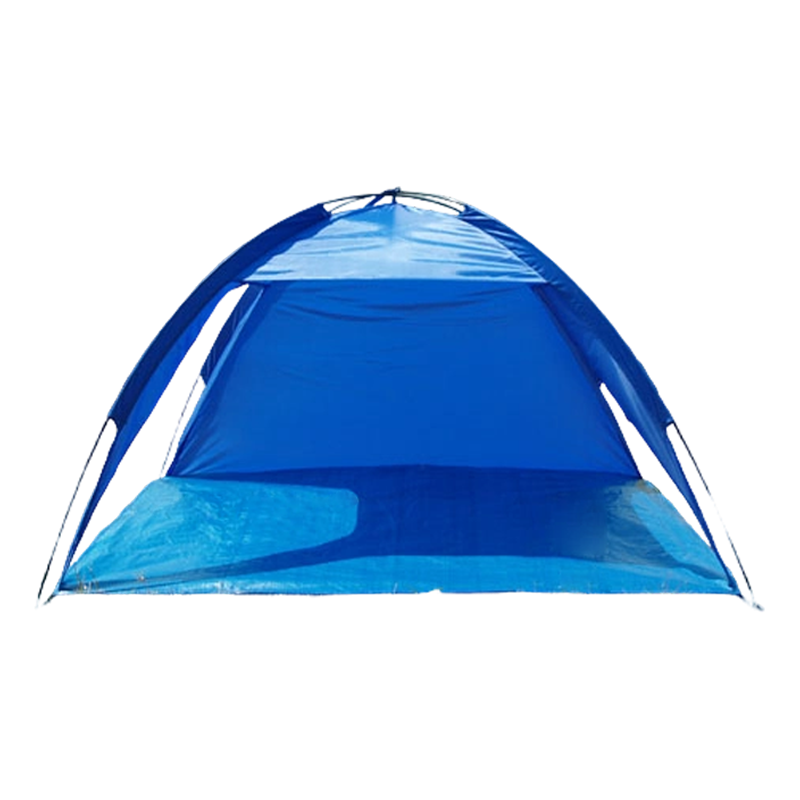
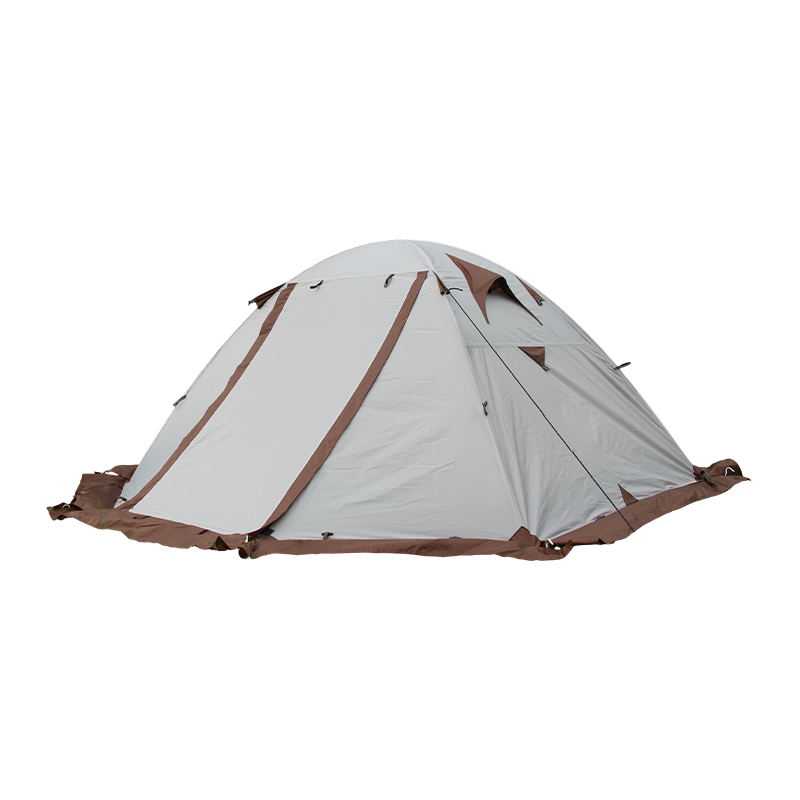
Beach tents are used across a fairly wide range of settings beyond a simple sunbathing spot. Family outings often rely on larger pop-up shelters with side walls that can be lowered to block wind-blown sand, while individual sunbathers tend to favor smaller dome-style shelters that fold into a compact disc for carrying. Fishing trips along the shoreline sometimes use low-profile beach tents that provide shade without obstructing a clear view of the water, and beach volleyball or picnic gatherings often favor open-sided canopy styles that prioritize airflow over full enclosure.
Backyard use has also become a recognizable secondary case, particularly among families who set up a beach tent in a garden for shaded outdoor play without traveling to the coast. In this context, ease of setup matters more than wind resistance, since the tent is often used on calmer, more sheltered ground.
Comparing Tent Types for Beach Trips
Different beach tent formats suit different coastal scenarios, and understanding the trade-offs helps in choosing a shelter that matches the trip rather than defaulting to whichever model is on display first.
| Tent Type | Typical Weight | Setup Time | Suited For |
|---|---|---|---|
| Pop-up dome shelter | 1.5–2.5 kg | Under 1 minute | Solo or couple sunbathing |
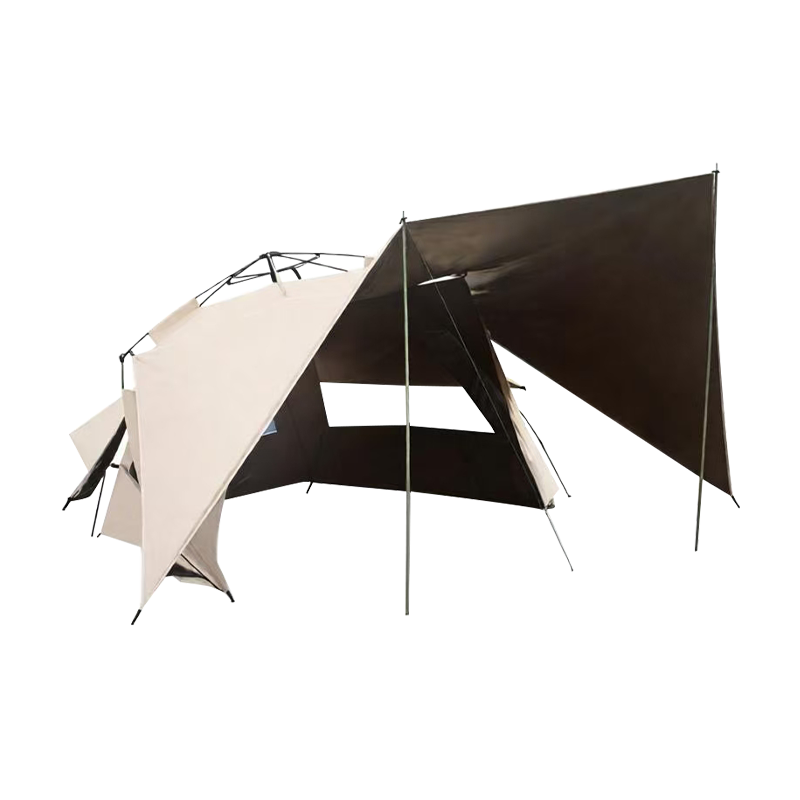
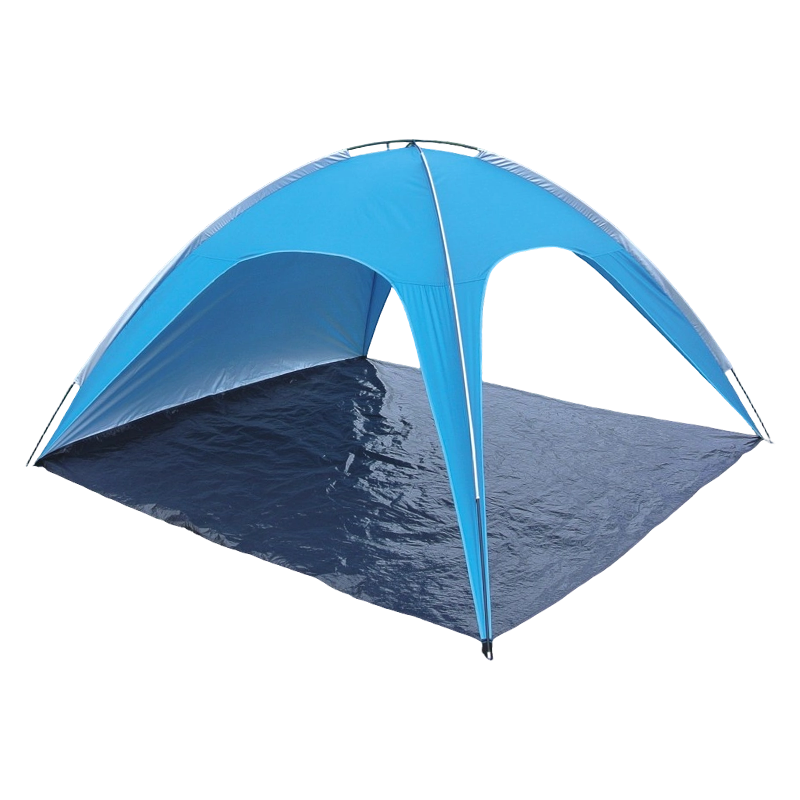
| Canopy-style sun shelter | 2–3.5 kg | 3–5 minutes | Picnics, group gatherings |
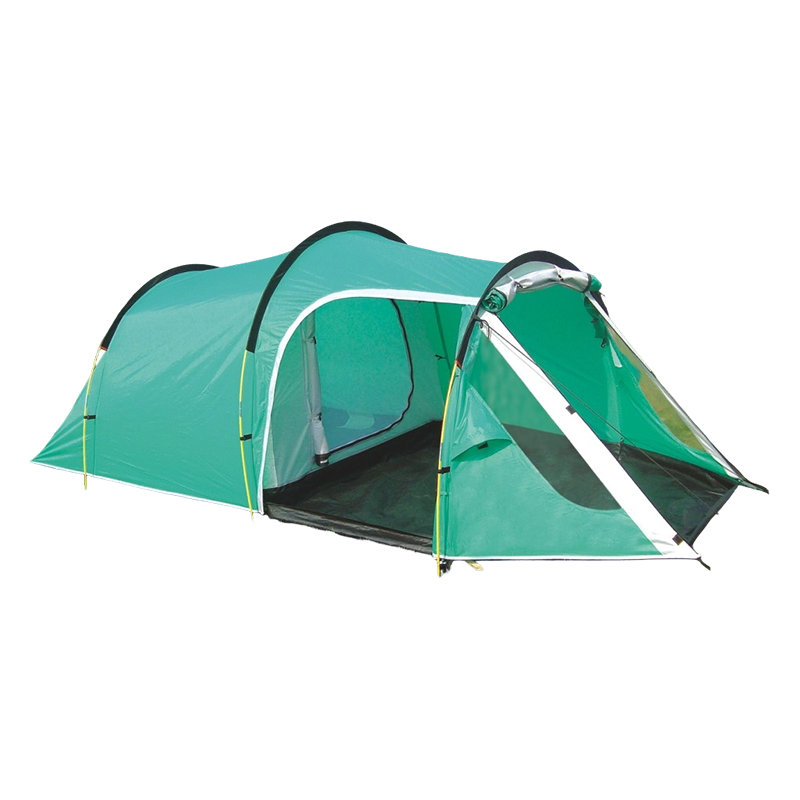
| Family beach tent with side walls | 4–7 kg | 8–15 minutes | Families, full-day beach visits |
What to Check Before Buying
A few practical details tend to matter more than marketing claims when selecting a beach tent for weekend use. UPF rating gives an indication of how much ultraviolet radiation the fabric blocks; a rating of UPF 40 or higher is generally adequate for full-day exposure, while lower ratings may require reapplying sunscreen more often even while seated in the shade. Wind resistance, including sand stake quality and guyline attachment points, affects how stable the shelter stays on open sand where gusts are common compared to sheltered ground.
Packed Size and Carry Method
Packed dimensions matter as much as weight for anyone walking across sand from a parking area to a chosen spot. Tents that fold into a flat disc under 60 cm in diameter are generally easier to carry over one shoulder, while boxier packed shapes are better suited to car trunk storage for shorter carrying distances.
Number of Occupants and Floor Area
Manufacturer capacity ratings often assume occupants are seated close together with no gear inside the tent. For comfortable use, many beachgoers choose a tent rated for one or two more people than the actual number who will use it, allowing space for bags, coolers, and towels without crowding the seating area.
How the Category Continues to Develop
Ongoing development in the beach tent category tends to focus on incremental improvements rather than major redesigns. Recent additions include sand-friendly stake designs shaped to hold in loose ground, ventilation windows with mesh panels to reduce heat build-up inside the shelter, and detachable side walls that can be added when wind picks up or removed to increase airflow. These changes reflect a broader pattern in outdoor gear design, where small adjustments accumulate over several product cycles to steadily improve the experience of setting up and spending a day under shade near the water.
-
25 Jun, 2026
A truly memorable family camping trip rarely happens by accident — it is built on thoughtful preparation and the right equipment. Choosing the ultimate gear fo...READ MORE
-
18 Jun, 2026
A portable sun-safe shelter is more than a convenience item for a day at the beach. It is a practical, evidence-backed layer of ultraviolet protection that ad...READ MORE
-
09 Jul, 2026
A day at the beach is one of life's simplest pleasures, yet it carries a hidden risk that many people underestimate until years of cumulative sun exposure begi...READ MORE
-
02 Jul, 2026
A day at the beach should be about relaxation, not worrying about sunburn or overheating. A high UPF portable sun-safe beach tent gives families, sunbathers, ...READ MORE
-
04 Jun, 2026
Go lighter, go farther. The ultralight hiking philosophy — commonly abbreviated as UL — has reshaped how hikers approach every ounce in their pack, turning gea...READ MORE
-
20 Aug, 2026
The Short Answer: Speed and Simplicity Drive the Trend Fully automatic tents are gaining traction among casual outdoor users mainly because they remove the ste...READ MORE

-
+86-15867893553
- km@kaima-outdoor.com
- 6th Floor, Building 8, Wanyang Innovation City, Baifeng Street, Beilun District, Ningbo City, Zhejiang Province, China.
Copyright © Ningbo Kaima Outdoor Products Co., Ltd.All Rights Reserved.
 Custom Outdoor Lightweight/Packable Tent Manufacturers
