


 English
 Español
 русский
 Deutsch
 عربى
عربى
Why a Single-Person Lightweight Double-Layer Hiking Tent Matters?
Content
Solo Hikers Face a Different Set of Trade-Offs Than Group Campers
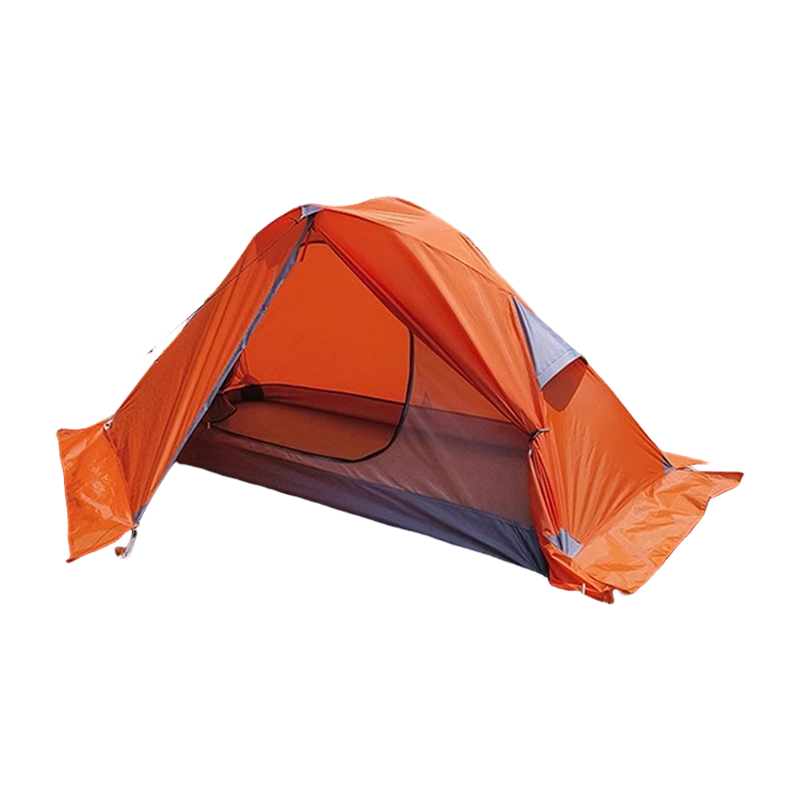
A hiker traveling alone carries every ounce of gear on their own back, without splitting tent weight across two or three people the way group campers do. This changes what counts as a reasonable shelter choice. A single-person lightweight double-layer hiking tent is built around that constraint: it keeps trail weight typically between 1 and 1.5kg while still separating a waterproof outer fly from a breathable inner mesh chamber. Single-wall tents skip the inner layer to cut weight further, but they trade away ventilation, and condensation buildup on cold nights is a common complaint among thru-hikers using that design.
Interior Dimensions and What They Mean on the Trail
Unfolded, a solo tent typically measures around 210×90×100cm. That footprint is deliberately close to the minimum needed for one sleeping pad plus a narrow gear margin along the side wall — wide enough to store boots and a pack without pressing them against the mesh, where condensation on the fly can wick through on contact.
Packed Volume Drives Backpack Layout
Trimming the tent to a single occupant's footprint reduces both pole length and fabric area, which shrinks the packed roll to a size that fits inside a 40–50L pack rather than requiring external lashing. On multi-day routes where food and water weight already dominate pack capacity, this difference determines whether a hiker carries a 3-day or 5-day supply without exceeding a manageable load.
Fabric Ratings Follow Industry Waterproofing Standards
Waterproofing in outdoor textiles is measured by hydrostatic head, tested under standards such as ISO 811 — the millimeter figure indicates how much water pressure the fabric withstands before leaking. A 210T polyester outer fabric rated at PU3000MM sits in the range accepted for three-season backpacking tents, sufficient for sustained rainfall and wind-driven spray, though below the 5000MM+ ratings used in expedition-grade four-season shelters built for prolonged storms.
Floor Fabric Needs a Higher Rating Than the Fly
Ground contact subjects floor fabric to standing water pressure and abrasion in a way rain on an angled fly does not, so tent floors are typically built from heavier 210D Oxford cloth with a PU3500MM coating, often shaped into a raised bathtub-style edge to keep seams above ground moisture. The inner tent, made from B3 high-density mesh, handles a separate job entirely — letting warm, humid air from breathing escape before it condenses on the inside of the fly.
| Component | Material | Waterproof Rating |
|---|---|---|
| Outer Tent (Fly) | 210T Polyester | PU3000MM |
| Tent Floor | 210D Oxford Cloth | PU3500MM |
| Inner Tent | B3 High-Density Mesh | N/A (Breathable) |
Pole Alloy Grade Affects How a Tent Handles Wind
Not all aluminum poles perform the same under load. 7001 aluminum alloy, a grade also used in some bicycle frames and climbing gear, offers a higher yield strength than the softer 6000-series alloys found in budget tents, meaning it flexes under gust loading and returns to shape rather than staying bent. Combined with aluminum ground stakes rather than steel or plastic, the setup holds tension on exposed ridgelines and alpine campsites where soil is often loose scree or thin soil over rock.
A Solo Setup Has No Backup Hands
Group tents can be braced by a second or third person while stakes go in; a solo hiker pitching in gusty conditions needs a frame that stays upright unassisted during setup. Freestanding pole geometry, paired with alloy stakes that bite into hard-packed or rocky ground, reduces the setup time and physical strain after a full day of trekking.
Structural Specifications at a Glance
- 7001 aluminum alloy poles with higher yield strength than standard 6000-series alloys
- Aluminum alloy ground stakes suited to rocky or loose terrain
- Freestanding frame geometry for unassisted solo pitching
- Trail weight typically under 1.5kg including poles and stakes
Activities Where This Design Fits
This tent category shows up most often in specific corners of the outdoor gear market:
- Long-distance trail hikers tracking pack weight against daily mileage targets
- Mountaineers pitching camp above treeline where wind exposure is constant
- Backpackers relying on public transit or foot travel with no vehicle support
- Weekend campers who want a fast pitch after arriving at camp late in the day
Checking Specs Before Purchase
A few line items on a spec sheet reveal more about real-world performance than marketing copy does:
- Compare floor and fly hydrostatic head ratings separately — floor pressure demands a higher number
- Note the pole alloy grade; 7000-series holds shape under load better than 6000-series
- Weigh packed dimensions against usable interior floor area, not just total tent weight
- Check mesh density on the inner tent, since finer mesh blocks smaller insects but can reduce airflow slightly
Spec sheets rarely tell the full story on their own, but cross-checking hydrostatic head, pole alloy, and packed weight against actual trail conditions gives a clearer picture of how a single-person lightweight double-layer hiking tent will hold up on a specific route.
-
30 Apr, 2026
Sharing a backpacking tent with a partner, friend, or hiking companion changes almost every variable in your gear decision. You are now negotiating two sets of...READ MORE
-
27 May, 2026
Every ounce matters when you're miles from the nearest trailhead. For long-distance backpackers, the shelter system is often the single heaviest item in the pa...READ MORE
-
27 Aug, 2026
A buyer once showed us two lightweight hiking tents with the same floor space. One weighed 1.6 kg and the other 2.4 kg. Both had a rain fly and two doors. One ...READ MORE
-
20 Aug, 2026
The Short Answer: Speed and Simplicity Drive the Trend Fully automatic tents are gaining traction among casual outdoor users mainly because they remove the ste...READ MORE
-
06 Aug, 2026
Beach tents have moved from a niche outdoor accessory into a regular part of weekend routines for a growing number of beachgoers. The shift is driven by a comb...READ MORE
-
09 Jul, 2026
A day at the beach is one of life's simplest pleasures, yet it carries a hidden risk that many people underestimate until years of cumulative sun exposure begi...READ MORE

-
+86-15867893553
- km@kaima-outdoor.com
- 6th Floor, Building 8, Wanyang Innovation City, Baifeng Street, Beilun District, Ningbo City, Zhejiang Province, China.
Copyright © Ningbo Kaima Outdoor Products Co., Ltd.All Rights Reserved.
 Custom Outdoor Lightweight/Packable Tent Manufacturers
