


 English
 Español
 русский
 Deutsch
 عربى
عربى
Outdoor Tent Industry Insight: Key Questions Buyers Are Asking in 2026
Content
- 1 What Is Really Changing in the Outdoor Tent Industry Right Now?
- 1.1 From Basic Camping to Experience-Driven Glamping
- 1.2 Expansion into Multi-Scenario Applications
- 1.3 Transition Toward Multi-Functional Design
- 1.4 Modularization as a Key Design Direction
- 1.5 Growth of OEM and ODM Demand
- 1.6 Increasing Importance of Sustainable Materials
- 1.7 Shift from Functional Products to Experience Products
- 1.8 Impact on Product Development and Innovation
- 1.9 Changing Consumer Expectations
- 2 Why Are Buyers Demanding More from Outdoor Tents Than Before?
- 2.1 From Basic Usability to Comfort, Convenience, and Aesthetic Appeal
- 2.2 The Influence of Social Media on Design Expectations
- 2.3 Higher Frequency of Outdoor Activities Driving Durability Needs
- 2.4 Dealer Demand for Product Differentiation and Profit Margins
- 2.5 Convenience as a Core Purchase Driver
- 2.6 The Role of Aesthetic Value in Purchasing Decisions
- 2.7 Demand Upgrade Driving Manufacturing Innovation
- 2.8 Changing Definition of Product Value
- 3 When Do Different Types of Outdoor Tents Actually Get Used?
- 3.1 Scenario-Based Segmentation as a New Product Logic
- 3.2 Lightweight Tents for Hiking and Mountaineering
- 3.3 Family Tents for Group Camping Activities
- 3.4 Leisure Tents for Beach and Park Environments
- 3.5 Canopy Tents for Commercial and Event Applications
- 3.6 How Usage Timing Influences Tent Selection
- 3.7 Integration of Multi-Scenario Features
- 3.8 Implications for Product Development and Market Strategy
- 3.9 Changing Consumer Awareness of Usage Contexts
- 4 What Trade-Offs Do Buyers Face When Choosing an Outdoor Tent?
- 4.1 The Reality of Trade-Offs in Tent Selection
- 4.2 Lightweight vs Durability
- 4.3 Space vs Pack Size
- 4.4 Price vs Performance
- 4.5 Quick Setup vs Structural Stability
- 4.6 Balancing Trade-Offs Based on Specific Scenarios
- 4.7 How Trade-Off Awareness Influences Buying Decisions
- 4.8 The Concept of Scenario-Based Optimization
- 5 References / Sources
What Is Really Changing in the Outdoor Tent Industry Right Now?
From Basic Camping to Experience-Driven Glamping
The outdoor tent industry is undergoing a clear transition from traditional, function-focused camping toward experience-oriented usage. In the past, tents were mainly designed to provide shelter, weather resistance, and portability for outdoor enthusiasts. However, current market demand shows that consumers are no longer satisfied with basic protection alone. Instead, they are seeking comfort, aesthetics, and lifestyle integration.
This shift is especially visible in the rise of glamping, a concept that blends outdoor living with elements of comfort and design. Glamping tents often include features such as larger interior spaces, improved ventilation systems, integrated lighting solutions, and compatibility with furniture. These tents are no longer just temporary shelters; they serve as part of a broader outdoor living experience.
As a result, manufacturers are rethinking product development strategies. The focus is moving toward how users feel inside the tent rather than just how the tent performs in extreme conditions. This includes considerations such as interior layout, visual appeal, and compatibility with leisure activities like social gatherings or family outings.
Expansion into Multi-Scenario Applications
Another major change in the industry is the expansion of tents into multiple usage scenarios. Previously, tents were primarily associated with hiking, mountaineering, or basic camping trips. Today, they are used in a wider range of environments, including beaches, festivals, backyard leisure, outdoor exhibitions, and even commercial events.
This diversification has influenced both design and marketing strategies. Manufacturers now need to consider how a single product can adapt to different environments. For example, a tent designed for beach use may prioritize UV protection and quick setup, while a tent for festivals may emphasize portability and compact storage.
The growing variety of applications has also led to increased segmentation within the market. Brands are developing specialized product lines tailored to specific scenarios, allowing them to address different customer needs more precisely.
Transition Toward Multi-Functional Design
Product functionality is evolving beyond single-purpose use. Modern tents are increasingly designed with multiple functions in mind, allowing users to adapt them to different situations. This includes features such as detachable components, adjustable structures, and integrated accessories.
For instance, some tents can be transformed into canopies or open shelters by removing certain panels. Others include built-in storage pockets, ventilation systems, or modular extensions that increase usable space. These design approaches reflect a shift toward flexibility and user convenience.
The following table illustrates how traditional tents compare with modern multi-functional designs:
| Aspect | Traditional Tents | Modern Multi-Functional Tents |
| Primary Use | Single-purpose shelter | Adaptable for multiple scenarios |
| Structure | Fixed design | Modular or adjustable components |
| User Experience | Basic protection | Comfort and flexibility |
| Additional Features | Limited | Integrated storage, ventilation, extensions |
This transition toward multi-functionality is driven by consumer expectations for convenience and versatility. Users prefer products that can serve different purposes without requiring additional purchases.
Modularization as a Key Design Direction
Closely related to multi-functionality is the rise of modular design. Modular tents allow users to customize their setup by adding or removing components based on specific needs. This approach provides flexibility while also enhancing product value.
For example, a modular tent system may include interchangeable walls, detachable rainflies, or connectable units that expand living space. This allows users to start with a basic configuration and upgrade over time, depending on their usage scenarios.
From a manufacturing perspective, modularization also offers advantages. It enables standardized production of components while still allowing for product variation. This can improve efficiency and reduce complexity in the supply chain.
Growth of OEM and ODM Demand
The demand for OEM and ODM services is increasing as brands seek to differentiate themselves in a competitive market. Instead of relying on standard designs, companies are investing in customized products that reflect their brand identity and target audience.
OEM services allow brands to produce tents under their own labels, while ODM services involve deeper collaboration in product design and development. This trend indicates that brands are placing greater emphasis on uniqueness and market positioning.
The following table highlights the differences between OEM and ODM in the tent industry:
| Category | OEM | ODM |
| Design Ownership | Client provides design | Manufacturer provides design |
| Customization Level | Moderate | High |
| Brand Differentiation | Limited | Stronger |
| Development Involvement | Lower | Higher collaboration |
This shift toward customization reflects a broader trend in consumer markets, where individuality and brand storytelling play a larger role in purchasing decisions.
Increasing Importance of Sustainable Materials
Environmental awareness is becoming a more visible factor in the outdoor tent industry. Consumers are paying closer attention to the materials used in products, particularly in terms of sustainability and environmental impact.
Recycled fabrics are gaining attention as a potential selling point. These materials are often derived from post-consumer waste, such as plastic bottles, and are processed into durable textiles suitable for outdoor use. While performance remains a key consideration, the environmental aspect is increasingly influencing purchasing behavior.
Manufacturers are also exploring ways to reduce waste during production and improve the recyclability of their products. This includes simplifying material compositions and designing tents that are easier to disassemble at the end of their lifecycle.
Shift from Functional Products to Experience Products
One of the most important changes in the industry is the transition from purely functional products to experience-oriented products. This shift encompasses all the trends discussed above, including glamping, multi-scenario usage, and modular design.
In this new context, a tent is no longer just a tool for outdoor survival. It becomes part of a broader lifestyle that includes relaxation, social interaction, and personal expression. This has implications for how products are designed, marketed, and positioned in the market.
For example, visual design elements such as color, shape, and interior layout are becoming more important. Brands are also focusing on how their products fit into different lifestyles, whether it is weekend leisure, family outings, or outdoor events.
Impact on Product Development and Innovation
The changes in market demand are driving innovation across the industry. Companies are investing in research and development to create products that align with evolving consumer expectations. This includes exploring new materials, improving structural designs, and integrating additional features.
At the same time, the pace of product updates is increasing. Brands are releasing new models more frequently to keep up with trends and maintain market relevance. This requires a balance between innovation and production efficiency.
Manufacturers with in-house design capabilities are better positioned to respond to these changes, as they can quickly adapt their products based on market feedback. Collaboration between design teams and production units is becoming more important in this context.
Changing Consumer Expectations
Consumer behavior is also evolving alongside these industry changes. Buyers are becoming more informed and selective, often comparing multiple products before making a decision. They are looking for tents that offer a combination of functionality, comfort, and design.
In addition, online platforms and social media are influencing purchasing decisions. Visual presentation and user experience play a role in how products are perceived. This has led brands to invest more in product presentation and storytelling.
As a result, the definition of value in the tent industry is expanding. It is no longer limited to durability or price; it also includes usability, adaptability, and overall experience.
Why Are Buyers Demanding More from Outdoor Tents Than Before?
From Basic Usability to Comfort, Convenience, and Aesthetic Appeal
Consumer expectations in the outdoor tent market have shifted from basic usability to a more comprehensive set of requirements that include comfort, convenience, and visual appeal. In earlier stages of market development, buyers primarily focused on whether a tent could provide shelter from wind and rain. Today, this baseline requirement is no longer sufficient to influence purchasing decisions.
Modern consumers are paying closer attention to how a tent performs in real-life scenarios. Comfort has become an important consideration, including interior space, ventilation, and ease of movement. Convenience is also a major factor, with features such as quick setup systems, lightweight structures, and compact storage playing a role in product selection. At the same time, aesthetic appeal is gaining importance, as buyers seek tents that align with their personal preferences and outdoor lifestyle.
This transition reflects a broader change in consumption patterns, where products are expected to deliver both functional value and user experience. As a result, manufacturers are under pressure to integrate multiple attributes into a single product offering.
The Influence of Social Media on Design Expectations
Social media platforms have become a key driver of changing consumer expectations in the outdoor tent industry. Camping is no longer just a private activity; it is increasingly shared through photos and videos across various platforms. This has created a new layer of demand centered around visual presentation.
Buyers are now more likely to choose tents that look appealing in photographs and videos. Elements such as color coordination, shape, and overall design style are influencing purchasing decisions. Tents that can serve as a visually attractive backdrop for outdoor experiences are gaining more attention.
This trend has encouraged manufacturers to invest more in design innovation. Instead of focusing solely on structural performance, companies are exploring new design concepts that combine functionality with visual identity. The impact of social media has effectively expanded the role of tents from practical equipment to lifestyle products.
Higher Frequency of Outdoor Activities Driving Durability Needs
The frequency of outdoor activities has increased in recent years, leading to higher expectations for product durability. As more consumers engage in camping, hiking, and outdoor leisure on a regular basis, tents are subjected to more frequent use and a wider range of environmental conditions.
This shift has made durability a more critical factor in purchasing decisions. Buyers are looking for tents that can maintain their performance over multiple uses without significant wear. This includes resistance to weather conditions, structural stability, and material longevity.
The following table illustrates how usage patterns influence durability expectations:
| Usage Pattern | Past Expectations | Current Expectations |
| Occasional Camping | Basic weather protection | Consistent performance over time |
| Frequent Outdoor Use | Limited durability concerns | High resistance to wear and tear |
| Multi-Environment Use | Single-condition focus | Adaptability to various conditions |
As a result, manufacturers are investing more in material selection and structural design to meet these evolving requirements. Durability is no longer seen as an additional benefit but as a standard expectation.
Dealer Demand for Product Differentiation and Profit Margins
In addition to end consumers, distributors and retailers are also influencing the shift in market demand. Dealers are seeking products that can stand out in a competitive marketplace, allowing them to attract customers and maintain pricing flexibility.
Standardized products with minimal differentiation make it difficult for dealers to compete beyond price. This has led to increased demand for unique designs, specialized features, and customized solutions. By offering differentiated products, dealers can create distinct value propositions and improve their profit margins.
The relationship between product differentiation and commercial performance is shown in the following table:
| Product Type | Market Competition | Pricing Flexibility | Dealer Margin Potential |
| Standardized Tents | High | Limited | Lower |
| Differentiated Tents | Moderate | More flexible | Higher |
This dynamic is pushing manufacturers to collaborate more closely with distributors, offering OEM and ODM solutions that align with specific market needs. The goal is to create products that are not easily replaceable by competitors.
Convenience as a Core Purchase Driver
Convenience has become one of the most influential factors in the decision-making process. Buyers are increasingly looking for products that simplify the outdoor experience, reducing the time and effort required for setup and use.
Features such as automatic opening mechanisms, intuitive assembly systems, and lightweight materials are gaining popularity. These attributes make tents more accessible to a wider range of users, including beginners and casual campers.
Convenience also extends to transportation and storage. Compact designs that can be easily carried and stored are particularly appealing to urban consumers who may have limited space. This reflects a shift toward practicality in everyday use, even within recreational activities.
The Role of Aesthetic Value in Purchasing Decisions
Aesthetic value is becoming an increasingly important factor in the outdoor tent market. As outdoor activities are integrated into lifestyle and social experiences, the visual aspect of products plays a larger role in how they are perceived.
Consumers are showing interest in tents that align with specific themes or styles, such as minimalist design, natural color palettes, or coordinated outdoor setups. This trend is closely linked to the influence of social media, where visual presentation can enhance the overall experience.
Manufacturers are responding by offering a wider range of design options, allowing buyers to choose products that reflect their preferences. This approach also supports brand differentiation, as unique designs can help companies establish a distinct identity in the market.
Demand Upgrade Driving Manufacturing Innovation
The increasing demands from both consumers and dealers are driving changes at the manufacturing level. Companies are investing in research and development to create products that meet higher expectations across multiple dimensions.
This includes the adoption of new materials, improvements in production processes, and the integration of advanced design concepts. Manufacturers are also exploring modular and multi-functional designs to provide greater flexibility and value.
The following table summarizes how demand changes are influencing manufacturing priorities:
| Demand Factor | Manufacturing Response |
| Comfort and Convenience | Improved structural design and user-friendly features |
| Aesthetic Requirements | Expanded design capabilities and material options |
| Durability Needs | Enhanced material selection and testing processes |
| Differentiation | Customization and modular design approaches |
This process reflects a broader trend where market demand directly influences product development. Manufacturers are no longer setting the pace independently; they are responding to increasingly specific and evolving requirements from the market.
Changing Definition of Product Value
The concept of value in the outdoor tent market is evolving alongside these changes in demand. In the past, value was often defined by basic performance and price. Today, it encompasses a wider range of factors, including usability, design, durability, and overall experience.
Buyers are evaluating products based on how well they fit into their lifestyle and how they enhance their outdoor activities. This has led to a more holistic approach to product development, where multiple aspects are considered simultaneously.
As expectations continue to evolve, the industry is likely to see further innovation and diversification. The shift in demand is not a temporary trend but a reflection of changing consumer behavior and market dynamics.
When Do Different Types of Outdoor Tents Actually Get Used?
Scenario-Based Segmentation as a New Product Logic
The classification of outdoor tents is increasingly based on usage scenarios rather than traditional technical distinctions alone. In the past, tents were often categorized by structure, materials, or seasonal performance. While these factors still matter, the current market is shifting toward a more practical approach that focuses on when and where a tent is used.
This change reflects evolving consumer behavior. Buyers are selecting tents based on specific activities and environments, such as hiking, family camping, beach outings, or commercial events. As a result, manufacturers are designing products that align closely with these use cases, making scenario-based segmentation a central organizing principle in the industry.
The following table provides an overview of common tent types and their primary usage scenarios:
| Usage Scenario | Tent Type | Main Characteristics |
| Hiking and Mountaineering | Lightweight Tents | Compact, portable, easy to carry |
| Family Camping | Family Tents | Large space, multiple rooms, comfort-oriented |
| Beach and Park Leisure | Leisure Tents | Quick setup, sun protection, open structure |
| Commercial and Event Use | Canopy Tents | Spacious coverage, modular structure, easy assembly |
This segmentation highlights how different environments and activities directly influence product design and functionality.
Lightweight Tents for Hiking and Mountaineering
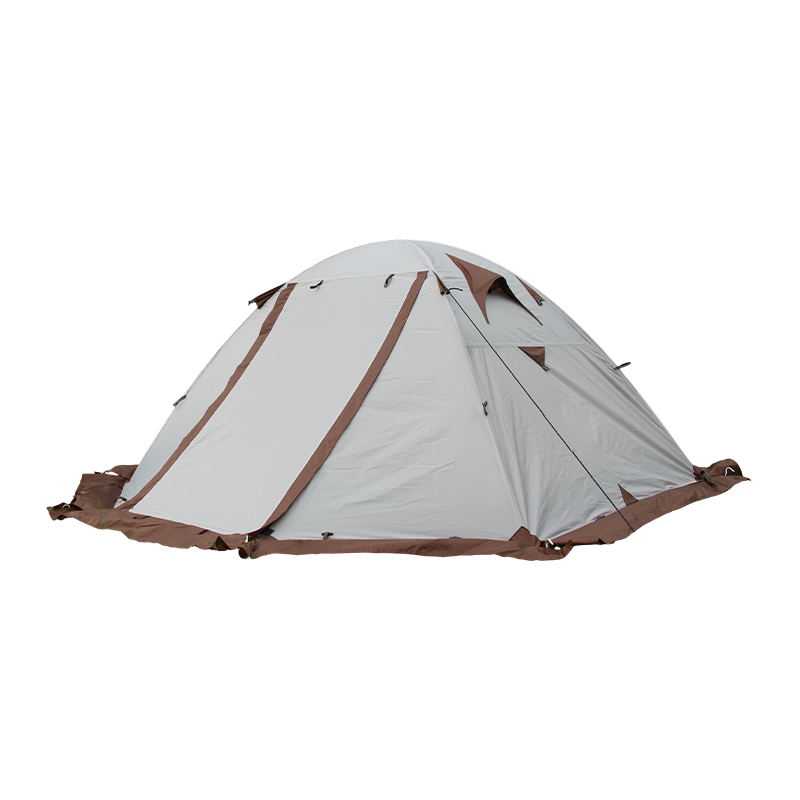
Lightweight tents are primarily used in hiking and mountaineering scenarios where portability and efficiency are essential. These activities often involve long distances, changing terrain, and limited carrying capacity, making weight a critical consideration.
In such conditions, users prioritize tents that are easy to pack and quick to set up. The design of lightweight tents focuses on minimizing bulk while maintaining basic protection against weather conditions. Materials are selected to balance durability with reduced weight, and structural designs are simplified to support fast assembly.
These tents are commonly used during multi-day trekking trips, alpine expeditions, and backpacking adventures. In these scenarios, the tent serves as a temporary shelter that must be reliable without adding unnecessary burden to the user. The emphasis is on practicality and mobility rather than interior space or additional features.
Family Tents for Group Camping Activities
Family tents are typically used in scenarios where comfort and space are more important than portability. These tents are designed for group camping activities, including family outings, road trips, and weekend stays at campsites.
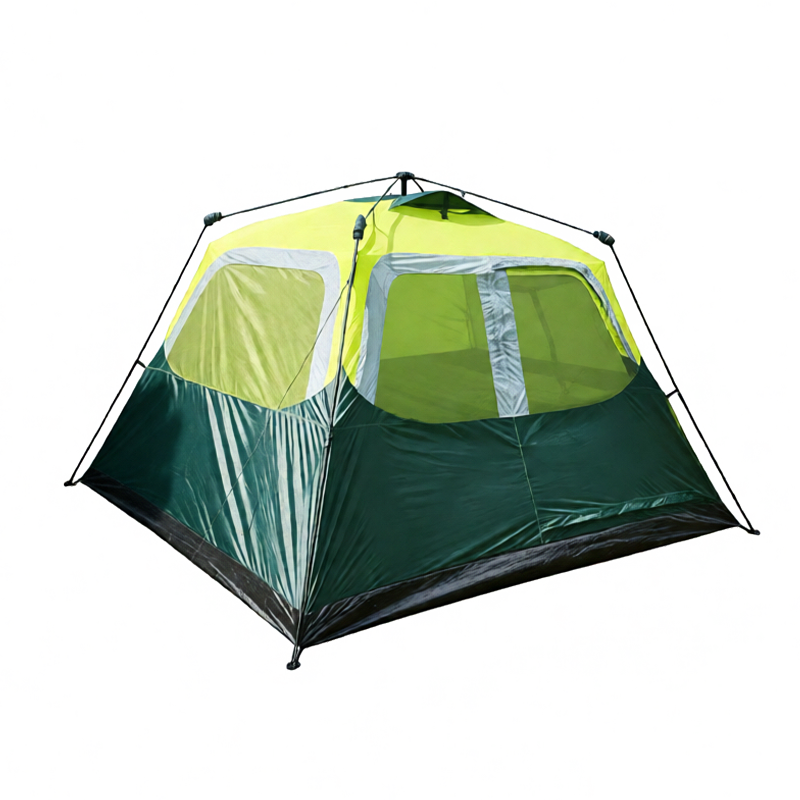
Unlike lightweight tents, family tents offer larger interior areas, often with multiple sections or rooms. This allows users to organize sleeping, storage, and living spaces within a single structure. Features such as standing height, ventilation systems, and weather protection contribute to a more comfortable experience.
These tents are commonly set up in designated camping areas where transportation is less restrictive. Users often arrive by car, allowing them to carry larger and heavier equipment. As a result, the design of family tents focuses on enhancing the overall camping experience rather than minimizing weight.
The following table compares lightweight tents and family tents in terms of usage priorities:
| Aspect | Lightweight Tents | Family Tents |
| Primary Use | Hiking and trekking | Family and group camping |
| Weight | Low | Higher |
| Interior Space | Limited | Spacious |
| Setup Complexity | Simple and fast | Moderate |
This comparison illustrates how different usage scenarios lead to distinct design priorities.
Leisure Tents for Beach and Park Environments
Leisure tents, including beach tents and park tents, are designed for short-term outdoor activities that focus on relaxation rather than overnight stays. These tents are commonly used in environments such as beaches, parks, and open recreational areas.
In these scenarios, protection from sunlight is often more important than protection from harsh weather. As a result, leisure tents typically feature open or semi-open structures that allow for airflow while providing shade. Quick setup mechanisms are also a key feature, as users prefer products that can be assembled and disassembled with minimal effort.
Leisure tents are frequently used during day trips, picnics, and casual gatherings. Their design reflects the need for convenience and ease of use, making them accessible to a wide range of users. Portability remains important, but it is balanced with the need for stability in open environments.
Canopy Tents for Commercial and Event Applications
Canopy tents are widely used in commercial and event-related scenarios, where large covered spaces are required. These tents are commonly seen at outdoor markets, exhibitions, promotional events, and temporary installations.
The primary function of canopy tents is to provide shelter for activities rather than for sleeping. They are designed to cover larger areas, accommodating multiple people, equipment, or displays. Structural stability and ease of assembly are important considerations, as these tents are often set up and taken down repeatedly.
In addition, canopy tents are often used as branding tools. Their surfaces can be customized with logos, colors, and graphics, making them suitable for promotional purposes. This adds another dimension to their usage, combining functionality with marketing value.
How Usage Timing Influences Tent Selection
The timing of outdoor activities also plays a role in determining which type of tent is used. For example, short daytime activities such as beach outings or park visits typically require lightweight and easy-to-assemble tents. In contrast, multi-day trips such as hiking expeditions or camping holidays require more specialized equipment.
Seasonal factors can also influence tent selection. During warmer months, users may prioritize ventilation and sun protection, while cooler conditions may require additional insulation and weather resistance. These considerations further reinforce the importance of scenario-based classification.
Integration of Multi-Scenario Features
While tents are increasingly designed for specific scenarios, there is also a growing trend toward integrating features that allow for cross-scenario use. For example, some family tents include detachable components that can be used as standalone shelters, while certain leisure tents are designed to provide limited overnight functionality.
This integration reflects the desire for flexibility among consumers. Users are looking for products that can adapt to different situations without requiring multiple purchases. As a result, manufacturers are exploring ways to combine features from different tent categories while maintaining usability.
Implications for Product Development and Market Strategy
The shift toward scenario-based usage is influencing how products are developed and marketed. Manufacturers are conducting more detailed research into user behavior, identifying specific needs associated with different activities. This information is then used to guide design decisions and product positioning.
From a marketing perspective, clear communication of usage scenarios is becoming more important. Instead of focusing solely on technical specifications, brands are highlighting how their products fit into real-life situations. This approach helps consumers make more informed decisions and aligns product offerings with market demand.
Changing Consumer Awareness of Usage Contexts
Consumers are becoming more aware of the importance of selecting the right tent for each scenario. With access to more information and a wider range of products, buyers are taking a more deliberate approach to their purchases.
This increased awareness is contributing to the growth of scenario-based segmentation. As users gain experience with different types of outdoor activities, they develop a better understanding of their needs and preferences. This, in turn, drives demand for specialized products that can meet those requirements.
What Trade-Offs Do Buyers Face When Choosing an Outdoor Tent?
The Reality of Trade-Offs in Tent Selection
Choosing an outdoor tent is rarely a straightforward decision, as buyers must balance multiple competing factors. Each design choice involves a compromise, and no single product can fully maximize all performance aspects at the same time. Instead, the decision-making process revolves around identifying which features are most important for a specific usage scenario.
This dynamic reflects a fundamental principle in the outdoor industry: there is no universal solution, only options that are more suitable for particular conditions. Whether the focus is on portability, durability, space, or cost, every choice requires giving up something else. Understanding these trade-offs helps buyers make decisions that align with their actual needs rather than idealized expectations.
Lightweight vs Durability
One of the most common trade-offs in outdoor tents is between weight and durability. Lightweight tents are designed for portability, making them suitable for hiking, trekking, and mountaineering. These tents use lighter materials and simplified structures to reduce overall weight, which is essential for users who need to carry their gear over long distances.
However, reducing weight often comes at the expense of durability. Thinner fabrics and lighter poles may not withstand extended exposure to harsh conditions as effectively as heavier alternatives. This means that while lightweight tents are easier to transport, they may require more careful handling and may have a shorter lifespan under frequent use.
On the other hand, tents designed for durability typically use stronger materials and reinforced structures. These features improve resistance to wind, rain, and wear, but they also increase weight. As a result, such tents are more suitable for car camping or base camps where transportation is less restrictive.
The following table illustrates this trade-off:
| Aspect | Lightweight Tents | Durable Tents |
| Weight | Low | Higher |
| Material Thickness | Thinner | Thicker |
| Resistance to Wear | Moderate | Higher |
| Best Use Scenario | Hiking, trekking | Camping, long-term use |
This comparison highlights how users must prioritize either ease of transport or long-term resilience depending on their activities.
Space vs Pack Size
Another important trade-off involves interior space and pack size. Larger tents provide more room for sleeping, storage, and movement, making them suitable for family camping or group activities. These tents often include multiple compartments and higher ceilings, contributing to a more comfortable experience.
However, increased space usually results in a larger packed size and greater weight. This can make transportation more challenging, especially for users who rely on backpacks or have limited storage capacity. Larger tents may also require more time and effort to set up.
In contrast, compact tents are designed to minimize pack size, making them easier to carry and store. These tents are ideal for solo travelers or minimalist campers who prioritize efficiency. The trade-off is reduced interior space, which can limit comfort and flexibility.
The relationship between space and portability is summarized below:
| Factor | Large Space Tents | Compact Tents |
| Interior Volume | Spacious | Limited |
| Pack Size | Bulky | Compact |
| Transport Method | Car or short-distance carry | Backpacking |
| Comfort Level | Higher | Basic |
This trade-off requires buyers to consider how they will transport their tent and how much space they actually need during use.
Price vs Performance
Cost is another factor that directly influences tent selection. Buyers often need to balance their budget with the level of performance they expect from a product. Lower-priced tents typically meet basic requirements, such as providing shelter and simple weather protection.
However, higher-performance tents often include advanced materials, improved construction techniques, and additional features. These enhancements can improve durability, comfort, and usability, but they also increase production costs, which are reflected in the final price.
This does not mean that higher cost always guarantees better suitability. Instead, the value of a tent depends on how well it matches the intended use. A more expensive tent may offer features that are unnecessary for occasional users, while a lower-cost option may not meet the demands of frequent outdoor activities.
The following table outlines the relationship between price and performance:
| Category | Lower Price Range | Higher Price Range |
| Material Quality | Basic | Enhanced |
| Durability | Moderate | Higher |
| Features | Limited | More comprehensive |
| Target Users | Occasional campers | Frequent users |
This trade-off emphasizes the importance of aligning product choice with actual usage patterns rather than focusing solely on price.
Quick Setup vs Structural Stability
Ease of setup is another factor that buyers consider, especially for casual users or those who prioritize convenience. Tents with quick setup mechanisms, such as automatic frames or simplified pole systems, can be assembled in a short amount of time with minimal effort.
However, these designs may involve compromises in structural stability. Simplified mechanisms can limit the strength of the overall structure, particularly in challenging weather conditions such as strong winds. This means that while quick setup tents are convenient, they may not provide the same level of stability as more complex designs.
In contrast, tents with more robust structures often require longer setup times and more effort. These tents use multiple poles, reinforced connections, and tension systems to improve stability. They are better suited for environments where weather conditions are less predictable.
The balance between setup speed and stability is shown below:
| Aspect | Quick Setup Tents | Stable Structure Tents |
| Assembly Time | Short | Longer |
| Ease of Use | High | Moderate |
| Wind Resistance | Moderate | Higher |
| Best Use Scenario | Leisure, short trips | Extended or exposed conditions |
This trade-off highlights how convenience and performance are often inversely related in product design.
Balancing Trade-Offs Based on Specific Scenarios
Each of these trade-offs becomes more relevant depending on the intended use of the tent. For example, a backpacker may prioritize weight and pack size over space and durability, while a family camper may focus on comfort and interior space. Similarly, a commercial user may prioritize stability and coverage over portability.
This context-driven decision-making process reinforces the idea that no single tent can meet all requirements equally. Instead, buyers must evaluate their priorities and choose a product that offers the most suitable balance for their specific situation.
How Trade-Off Awareness Influences Buying Decisions
As consumers become more informed, they are increasingly aware of these trade-offs and how they affect product performance. This awareness leads to more deliberate purchasing decisions, where buyers consider not only what a tent offers but also what it sacrifices.
Manufacturers are responding by providing clearer product information and offering a wider range of options. This allows buyers to make choices that align more closely with their needs, reducing the gap between expectations and actual performance.
The Concept of Scenario-Based Optimization
The idea that there is no single solution but rather a scenario-based optimization is becoming more widely accepted in the outdoor tent industry. Each product represents a set of design decisions that prioritize certain features over others.
By understanding these trade-offs, buyers can focus on selecting tents that perform well within their intended context. This approach shifts the focus from searching for a universal product to identifying the most appropriate solution for a given scenario.
References / Sources
Mordor Intelligence — “Outdoor Camping Tents Market Size, Share & Trends Analysis”
Future Market Insights — “Global Camping and Hiking Equipment Market 2025‑2035”
Grand View Research — “Camping Tents Market Forecast to 2030”
Allied Market Research — “Recreational Tents and Canopies Industry Analysis”
Statista — “Consumer Trends in Outdoor and Leisure Activities”
ResearchAndMarkets — “Global Glamping Market Report 2024‑2034”
MarketWatch — “Outdoor Adventure Gear Market Overview and Demand Drivers”
IBISWorld — “Camping and Hiking Gear Manufacturing Industry Report”
Technavio — “Outdoor Leisure Product Trends and Scenario-Based Segmentation”
Frost & Sullivan — “Innovation and Material Trends in Outdoor Tent Manufacturing”
-
11 Jan, 2026
Ningbo Kaima Outdoor Products Co., Ltd. announced today that it has entered into a three-year strategic cooperation agreement with "Alpine Summit Gear," a leadi...READ MORE
-
25 Sep, 2026
Two in the morning. The tent walls are beaded with moisture, the sleeping bag feels damp, and the air inside is stale. This is a familiar scenario for campers ...READ MORE
-
01 Jan, 2026
With the advancement of the EU's proposed Ecodesign for Sustainable Products Regulation and major global brands committing to "net-zero carbon" pledges, the gre...READ MORE
-
18 Sep, 2026
You unzip the tent, and the smell hits you first: damp earth, condensation, and the faint sour note of a storm that passed two nights ago. A tent that has been...READ MORE
-
06 Aug, 2026
Beach tents have moved from a niche outdoor accessory into a regular part of weekend routines for a growing number of beachgoers. The shift is driven by a comb...READ MORE
-
23 Jul, 2026
Yes, A Properly Built Inflatable Tent Is Waterproof The short answer is that a well-made inflatable tent is fully waterproof, provided it uses high-density coa...READ MORE
-
+86-15867893553
- km@kaima-outdoor.com
- 6th Floor, Building 8, Wanyang Innovation City, Baifeng Street, Beilun District, Ningbo City, Zhejiang Province, China.
Copyright © Ningbo Kaima Outdoor Products Co., Ltd.All Rights Reserved.
 Custom Outdoor Lightweight/Packable Tent Manufacturers
