How Durable Is a Portable Tent for Long-Term Outdoor Use?
Material Selection and Its Impact on Durability
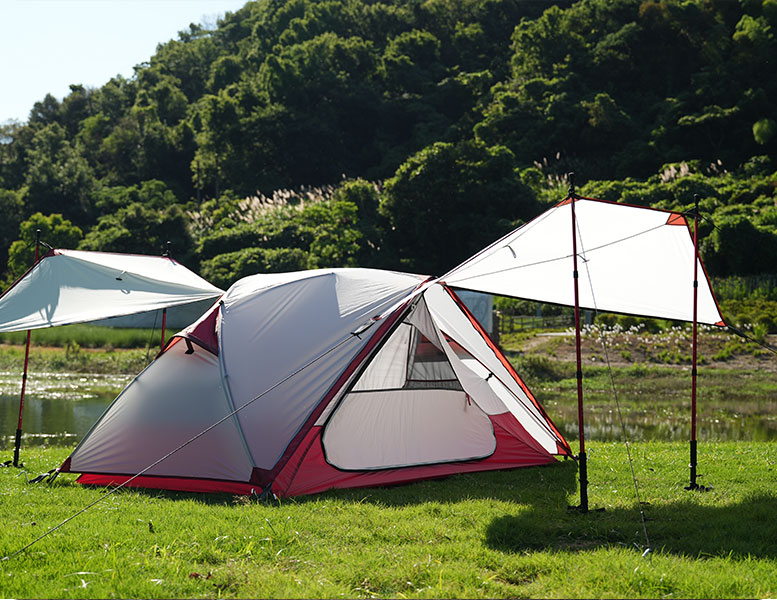
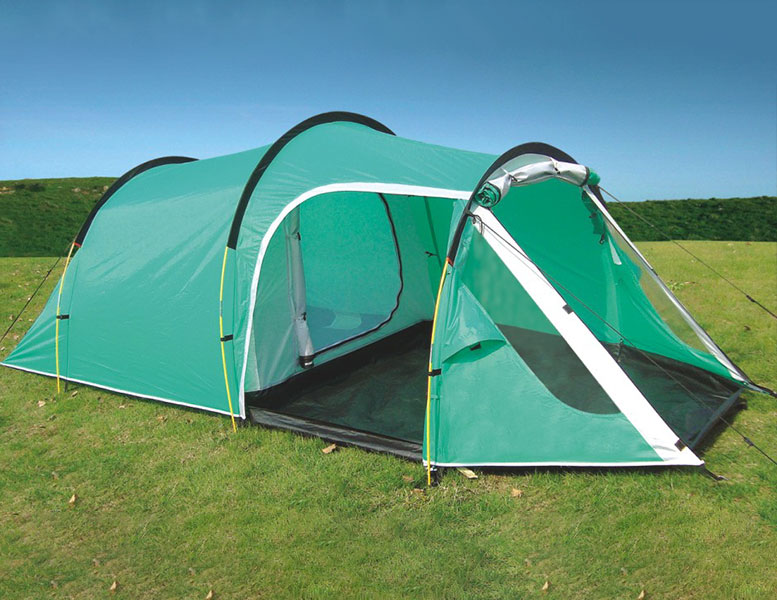
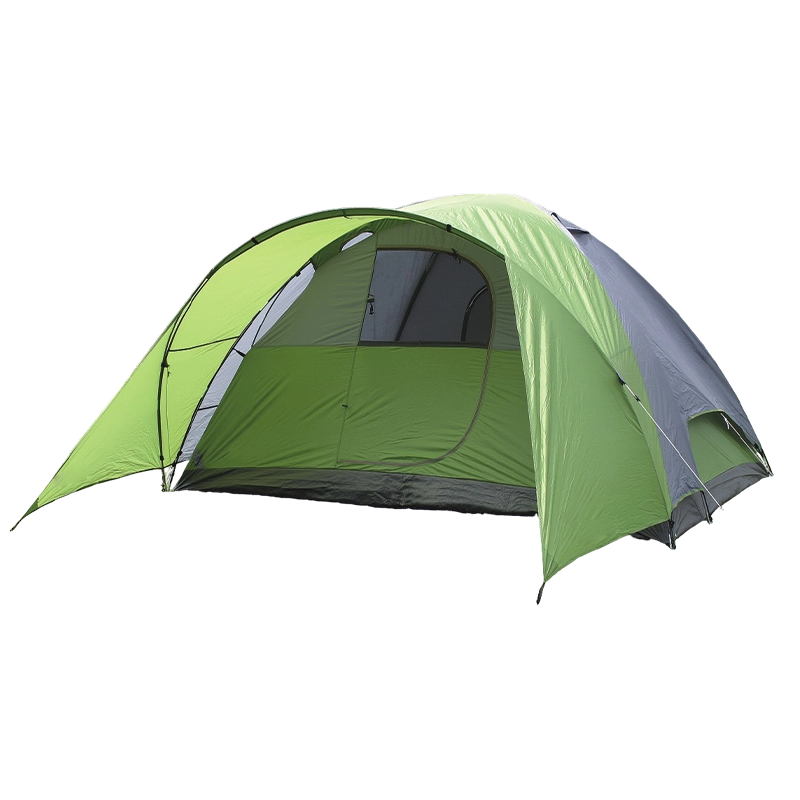
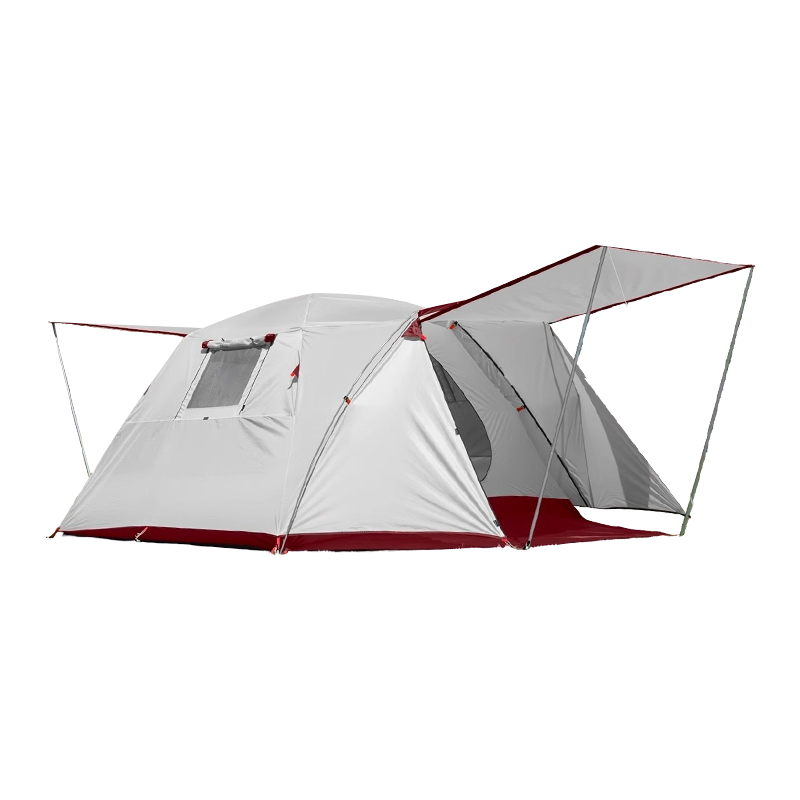
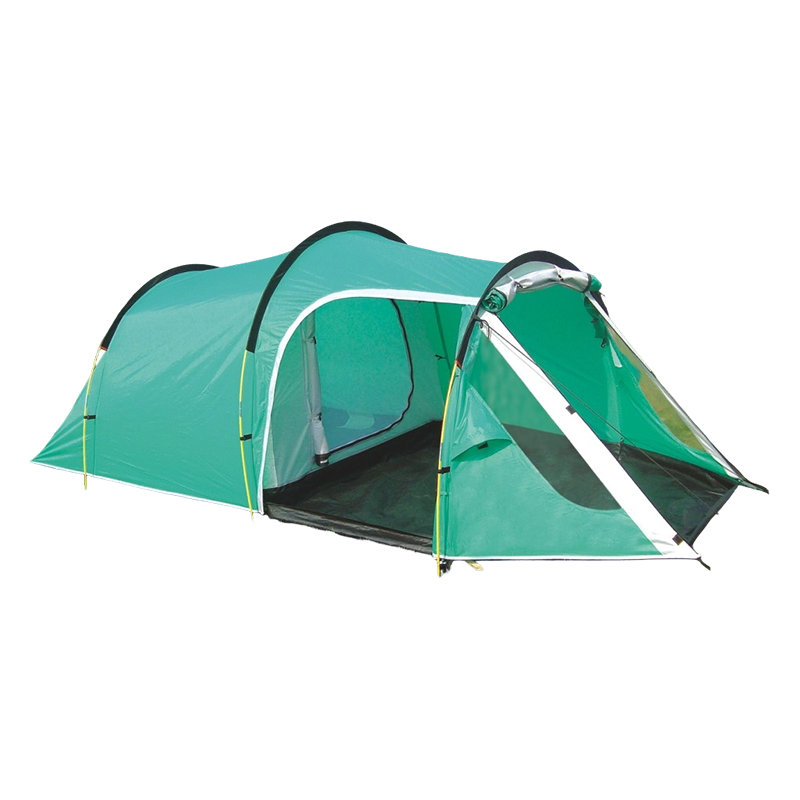
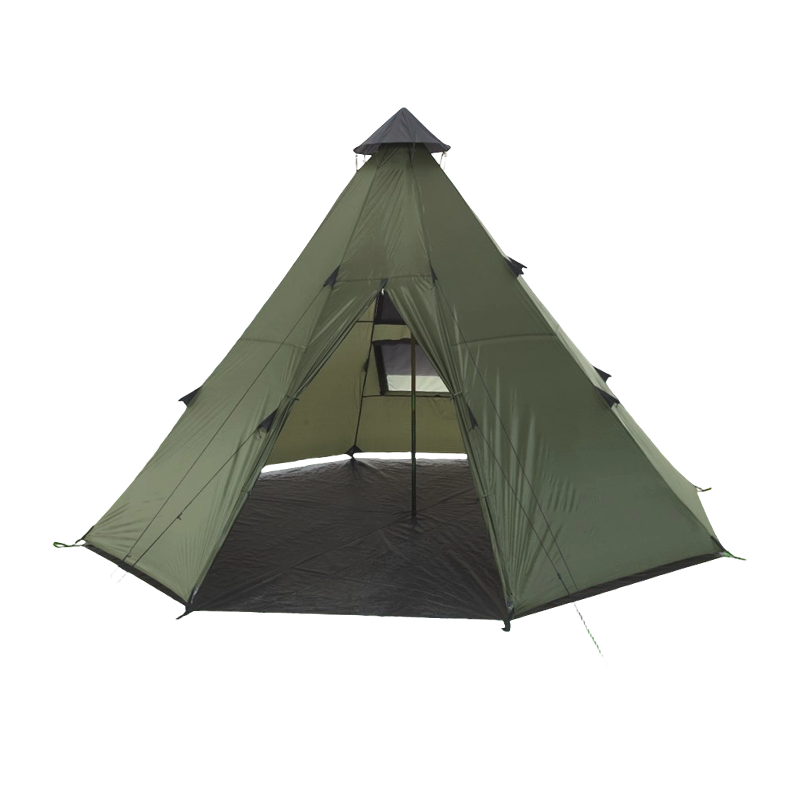
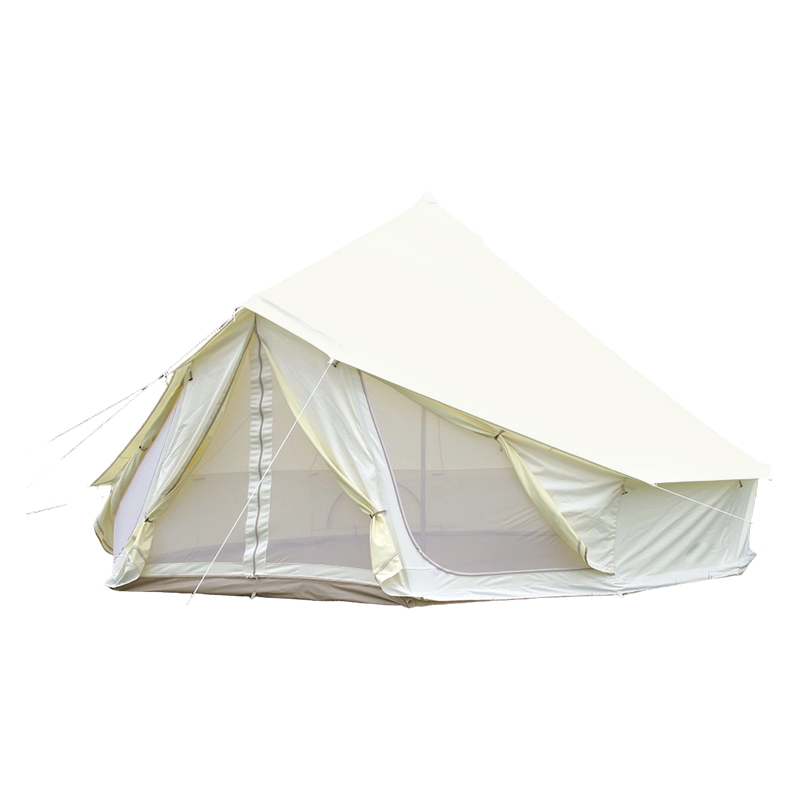
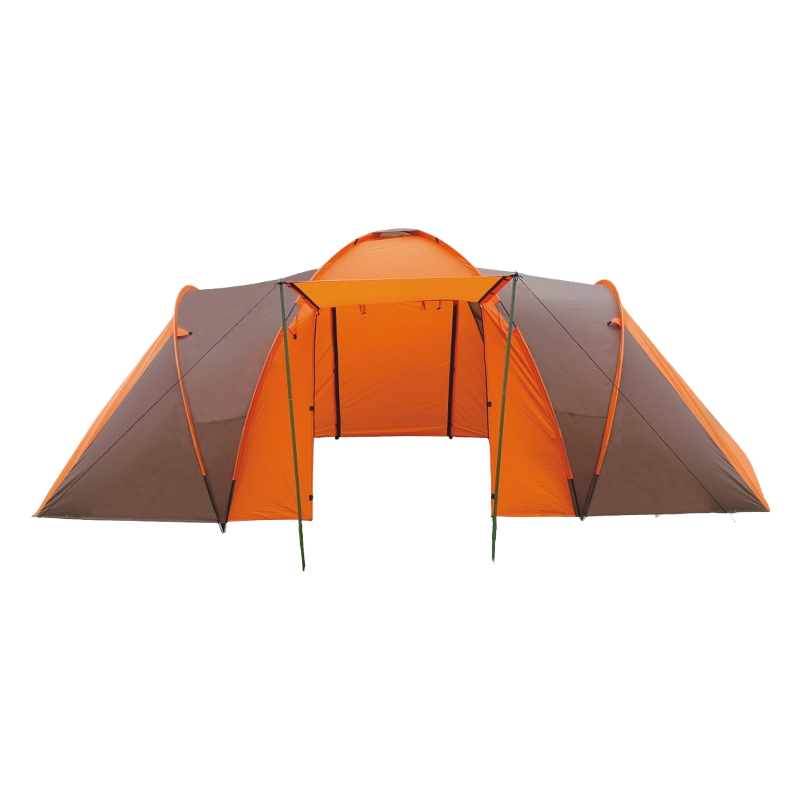
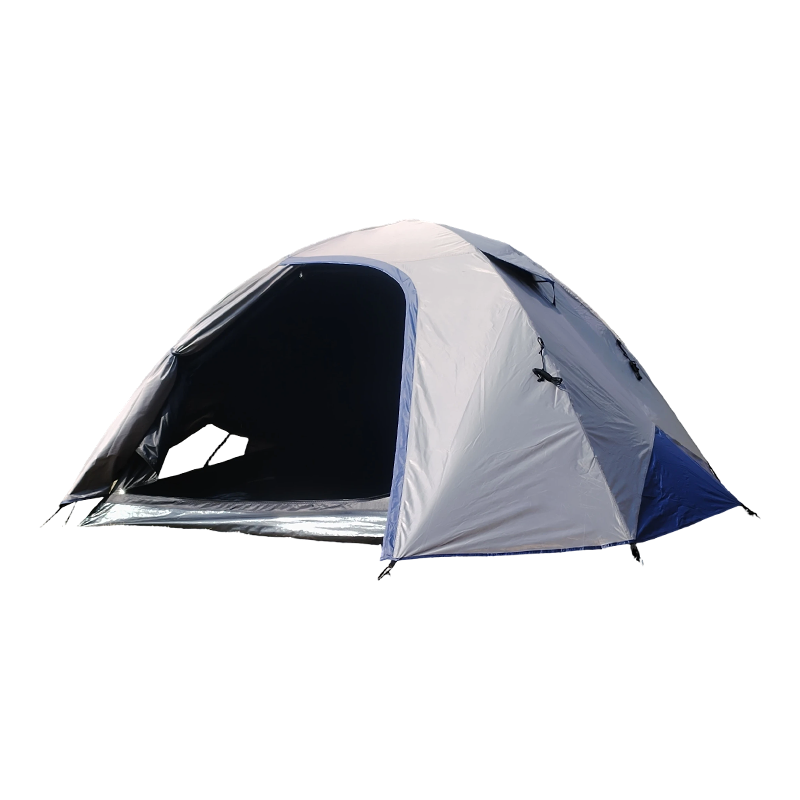
The durability of a portable tent largely depends on the materials used in its construction. Manufacturers like Ningbo Kaima Outdoor Products Co., Ltd., with over twenty years of experience in designing and producing hiking, leisure, and camping tents, typically select fabrics such as polyester or nylon with protective coatings. These materials help resist moisture, UV exposure, and general wear. The thickness of the fabric, often measured in denier, also plays a role in how well the tent withstands repeated use. Frames made from fiberglass or aluminum contribute to structural stability while maintaining portability, which is essential for outdoor activities.
Structural Design and Long-Term Stability
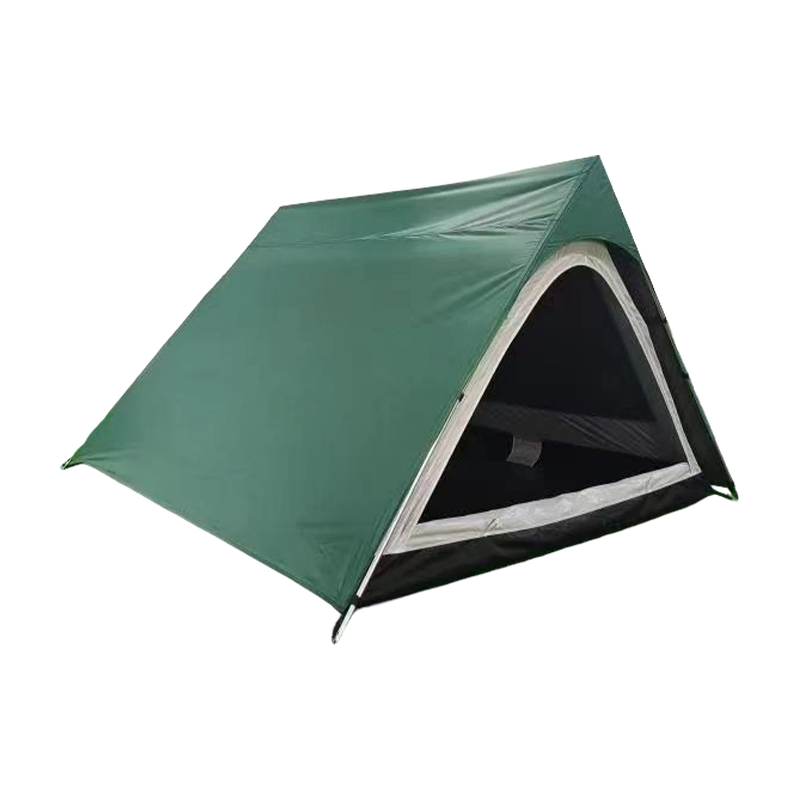
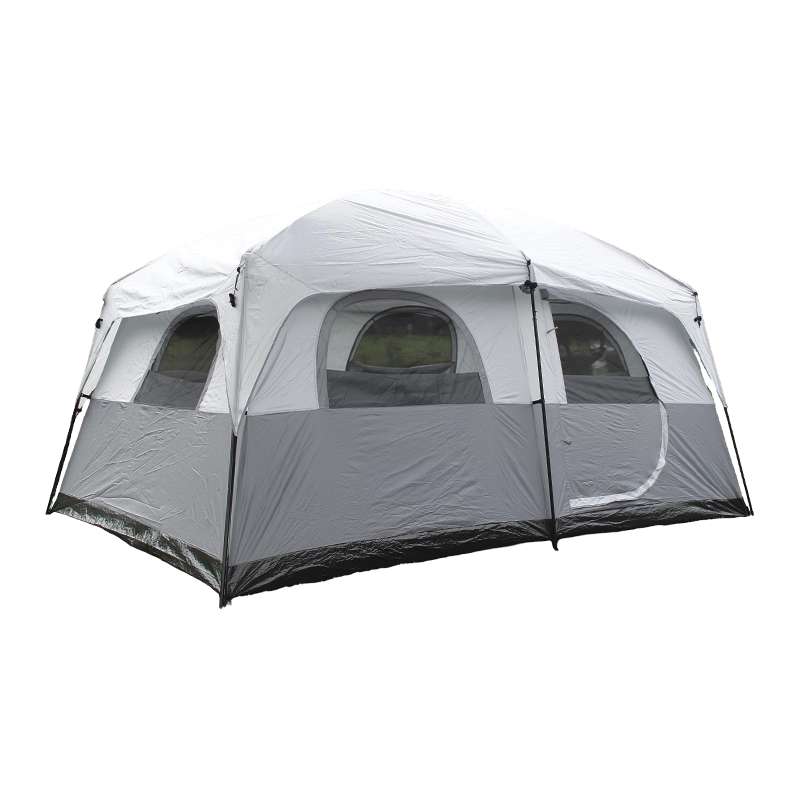
The design of a portable tent influences how well it performs over extended periods. A well-balanced structure distributes tension evenly across the fabric and frame, reducing stress points that may lead to damage. Tents designed for long-term outdoor use often include reinforced seams, stable pole systems, and wind-resistant shapes. Ventilation openings are also integrated to prevent condensation buildup, which can affect both comfort and material longevity. A practical and user-oriented design approach ensures that the tent remains functional in varying outdoor conditions.
Environmental Factors Affecting Tent Lifespan
Outdoor environments can vary greatly, and factors such as sunlight, rain, wind, and temperature changes all influence the lifespan of a portable tent. Continuous exposure to ultraviolet rays may weaken fabric fibers over time, while heavy rain can test the waterproof coatings. Wind conditions can place stress on poles and anchoring systems. Proper site selection, such as choosing flat ground and avoiding sharp objects, can help reduce unnecessary strain on the tent structure. Understanding these environmental influences allows users to better maintain their tents during extended use.
Maintenance Practices for Extended Use
Regular maintenance plays a key role in extending the durability of a portable tent. Cleaning the tent after use, ensuring it is fully dry before storage, and checking for minor damages can help prevent long-term issues. Simple actions such as reapplying waterproof coatings or repairing small tears can maintain the tent’s performance over time. Easy storage and portability, which are core design considerations, also contribute to preserving the tent’s condition when not in use. A well-maintained tent can continue to provide reliable shelter across multiple outdoor trips.
Comparison of Key Durability Factors
The following table outlines several important factors that influence the durability of portable tents and their general impact on long-term outdoor use.
| Factor |
Description |
Impact on Durability |
| Fabric Type |
Polyester or nylon with protective coatings |
Helps resist water, UV exposure, and wear |
| Frame Material |
Fiberglass or aluminum poles |
Provides structural support and flexibility |
| Seam Construction |
Reinforced and sealed stitching |
Reduces risk of tearing and leakage |
| Ventilation Design |
Mesh panels and airflow openings |
Minimizes condensation and internal moisture |
| Maintenance |
Cleaning, drying, and minor repairs |
Extends usable lifespan over time |
Balancing Portability and Durability
Portable tents are designed to be lightweight and easy to carry, but this often requires balancing durability with convenience. Manufacturers with dedicated research and design teams focus on optimizing both aspects by selecting suitable materials and refining structural features. For outdoor enthusiasts, choosing a tent that aligns with their usage frequency and environmental conditions is important. A tent intended for occasional leisure use may differ in durability from one designed for frequent hiking or extended camping trips, making it essential to match the product with specific outdoor needs.
What Is a Leisure Tent and How Is It Different from Camping or Hiking Tents?
Definition and Typical Use of a Leisure Tent
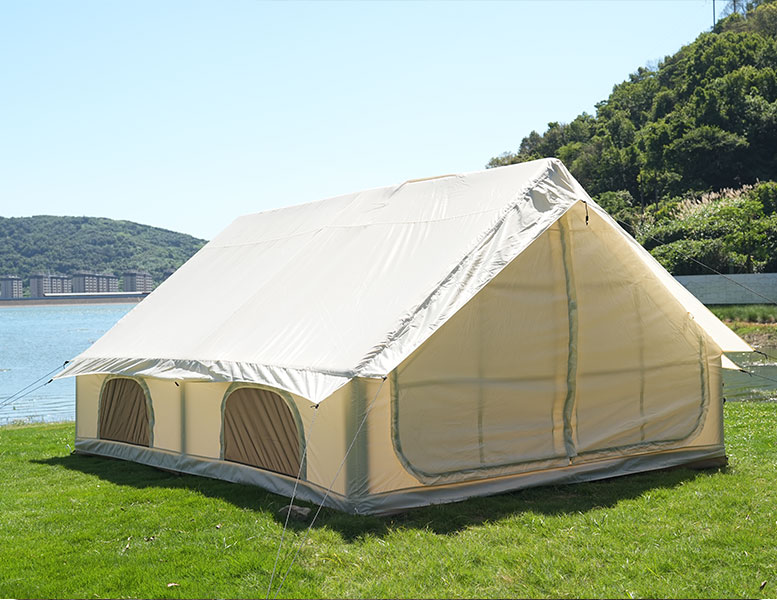
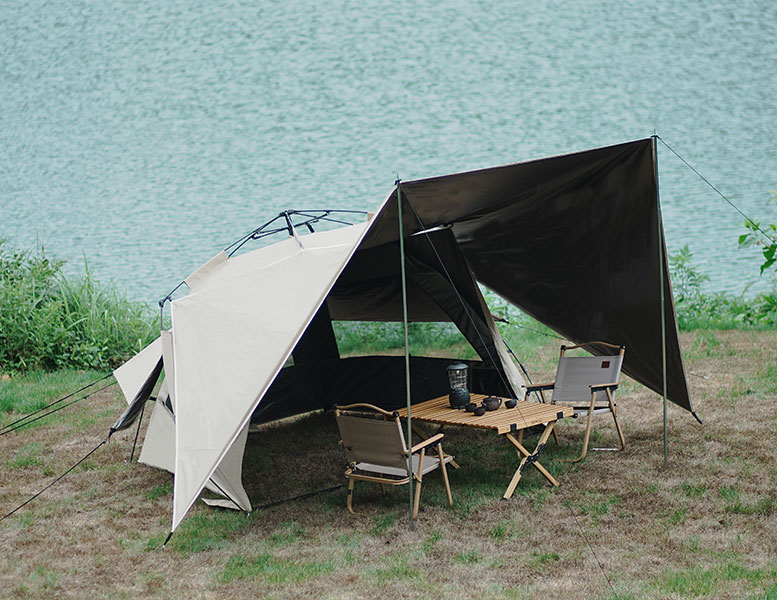
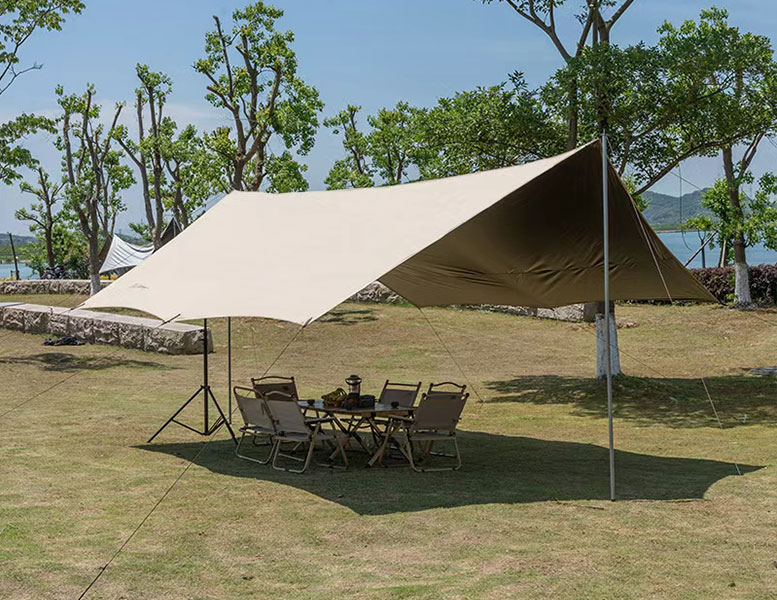
A leisure tent is primarily designed for relaxed outdoor activities such as picnics, beach outings, festivals, and short-term gatherings. Unlike more technical outdoor shelters, it focuses on providing a comfortable and accessible space for rest and shade rather than extended overnight use in remote environments. Companies like Ningbo Kaima Outdoor Products Co., Ltd., with over twenty years of experience in tent design and manufacturing, develop leisure tents with practicality, affordability, and convenience in mind. These tents are often used in locations where transportation is easy and setup time is expected to be minimal.
Design Characteristics and Structural Features
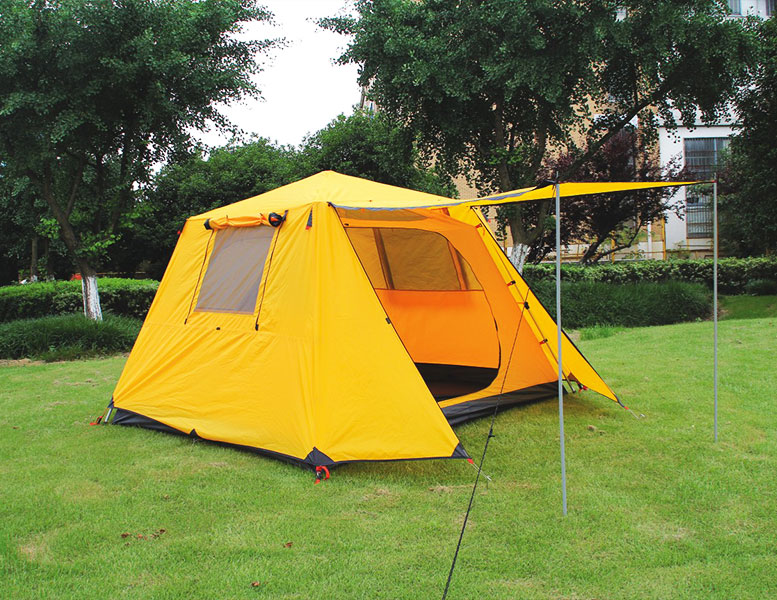
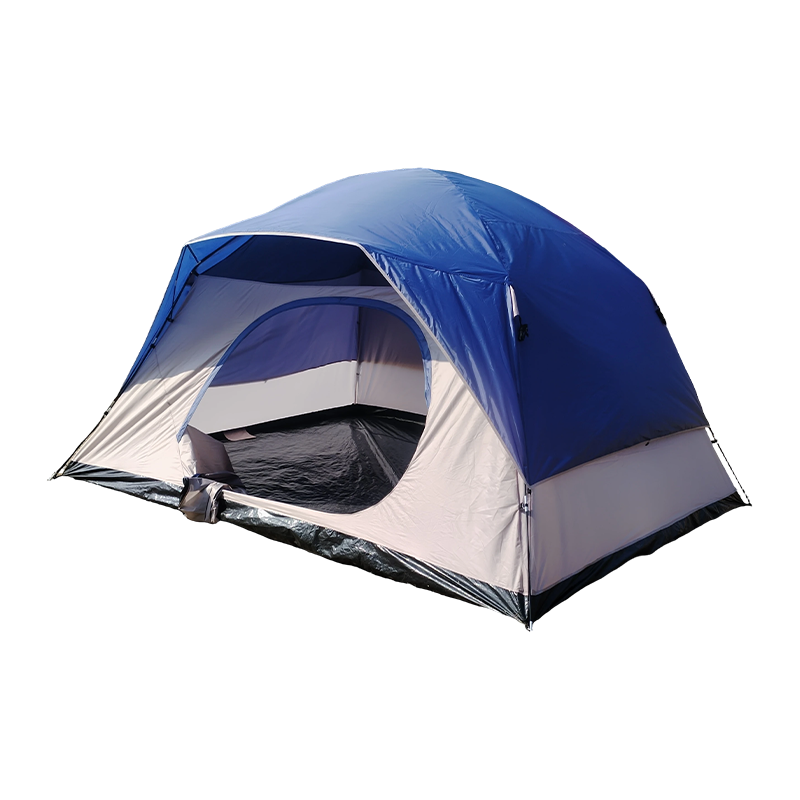
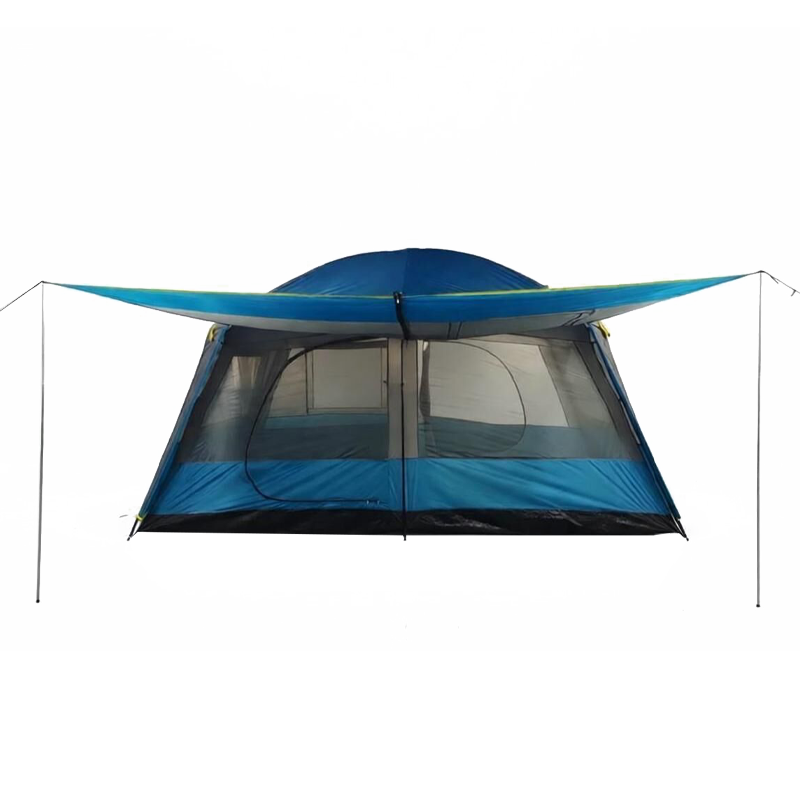
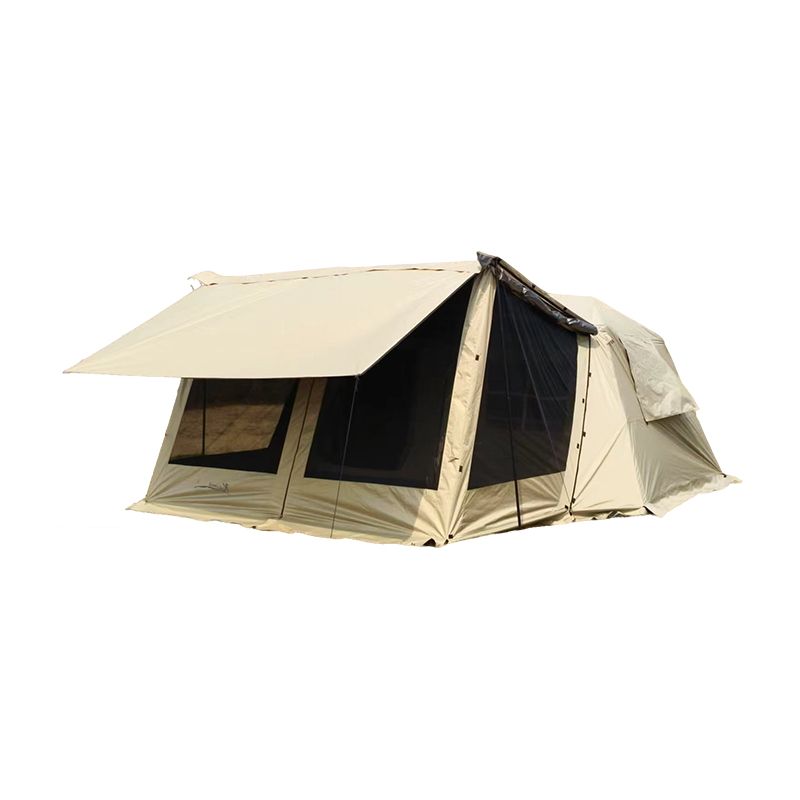
Leisure tents usually feature open or semi-open structures that allow for better airflow and visibility. Many models include large entrances, mesh panels, or canopy-style designs to create a more social and breathable environment. The frame systems are often simplified to enable quick assembly, sometimes incorporating automatic or pop-up mechanisms. Compared to hiking or camping tents, leisure tents tend to prioritize user-friendly setup and spacious interior layouts over compact packing size or resistance to harsh weather conditions.
Material Selection and Performance Considerations
The materials used in leisure tents are selected to balance durability with lightweight handling. Polyester fabrics with basic water-resistant coatings are common, offering protection from light rain and sunlight. While these materials are suitable for casual outdoor use, they may not provide the same level of weather resistance as those used in hiking or camping tents. Manufacturers with dedicated research and development teams focus on ensuring that materials remain practical for repeated use while maintaining ease of storage and portability.
Key Differences Between Leisure, Camping, and Hiking Tents
The following table outlines the main distinctions between leisure tents, camping tents, and hiking tents in terms of design, usage, and performance characteristics.
| Category |
Leisure Tent |
Camping Tent |
Hiking Tent |
| Primary Use |
Short-term relaxation and gatherings |
Overnight outdoor stays |
Backpacking and trekking |
| Weight |
Moderate |
Moderate to heavy |
Lightweight |
| Setup |
Quick and simple |
Standard assembly |
Compact and efficient |
| Weather Resistance |
Basic protection |
Moderate protection |
Enhanced protection |
| Interior Space |
Spacious and open |
Balanced space |
Compact |
Application Scenarios and User Preferences
Leisure tents are commonly used in environments where comfort and accessibility are more important than technical performance. For example, families at the beach or groups attending outdoor events often prefer tents that provide shade and ventilation without complex setup requirements. Camping tents, on the other hand, are designed for overnight stays in campsites, offering a balance between comfort and protection. Hiking tents are built for mobility and are often chosen by users who need to carry their equipment over long distances. The selection of a tent type depends on the intended activity, duration of use, and environmental conditions.
Design Philosophy and Product Development Approach
With a long history in the outdoor products industry, Ningbo Kaima Outdoor Products Co., Ltd. emphasizes practical design and user-focused development. Their independent research and design team works to align product features with real-world usage scenarios, ensuring that leisure tents remain easy to transport, simple to assemble, and suitable for a wide range of casual outdoor settings. By maintaining a focus on affordability and convenience, manufacturers continue to adapt leisure tent designs to meet the evolving needs of global consumers.



 English
 Español
 русский
 Deutsch
 عربى
عربى