


 English
 Español
 русский
 Deutsch
 عربى
عربى
Why is the rapid-setup air-beam tent becoming the ultimate 'game-changer' for a more efficient and stable family camping experience?
Content
- 1 What Is an Efficient Rapid-Setup Portable Family Inflatable Tent
- 2 How Inflatable Tent Technology Works
- 3 Speed and Convenience Advantages Over Traditional Tents
- 4 Interior Space and Family Friendly Design Features
- 5 Durability and Weather Resistance
- 6 Portability and Transport Considerations
- 7 Pump Options and Inflation Efficiency
- 8 Maintenance and Long Term Care
- 9 Selecting the Right Family Inflatable Tent
Family camping trips, weekend getaways, and outdoor festivals have long been cherished traditions for people seeking to disconnect from daily routines and reconnect with nature. However, the traditional camping experience often comes with a significant drawback, the time consuming and sometimes frustrating process of setting up a conventional pole based tent, particularly when traveling with children or managing multiple pieces of gear. This challenge has driven growing interest in the efficient rapid-setup portable family inflatable tent, a modern camping solution that combines convenience, comfort, and reliable performance to transform the outdoor experience for families and groups of all sizes. Understanding how these tents work, what makes them so effective, and how to select the right model can help outdoor enthusiasts make an informed decision when upgrading their camping equipment.
What Is an Efficient Rapid-Setup Portable Family Inflatable Tent
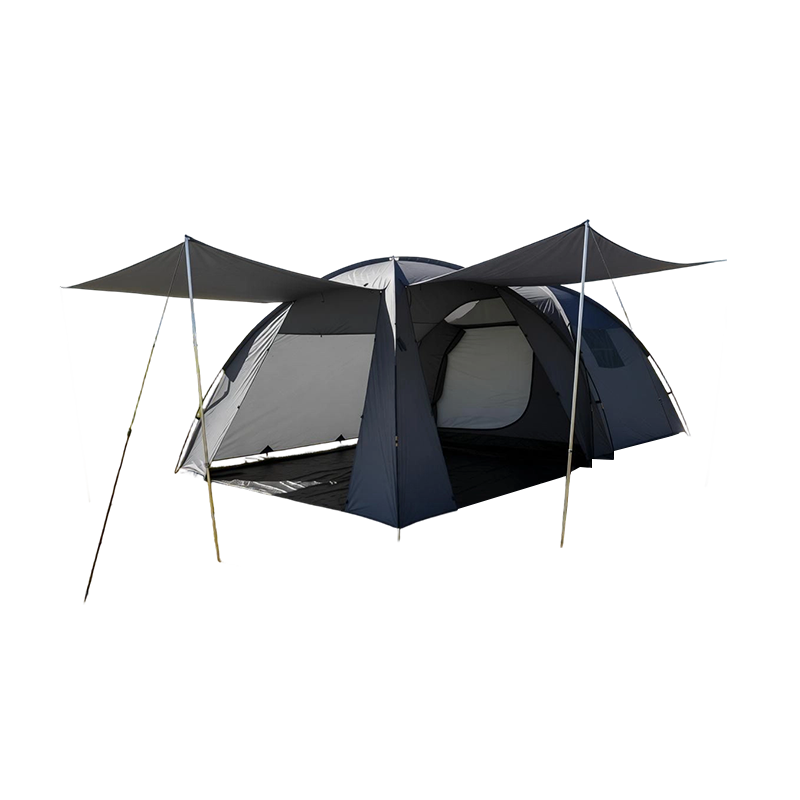
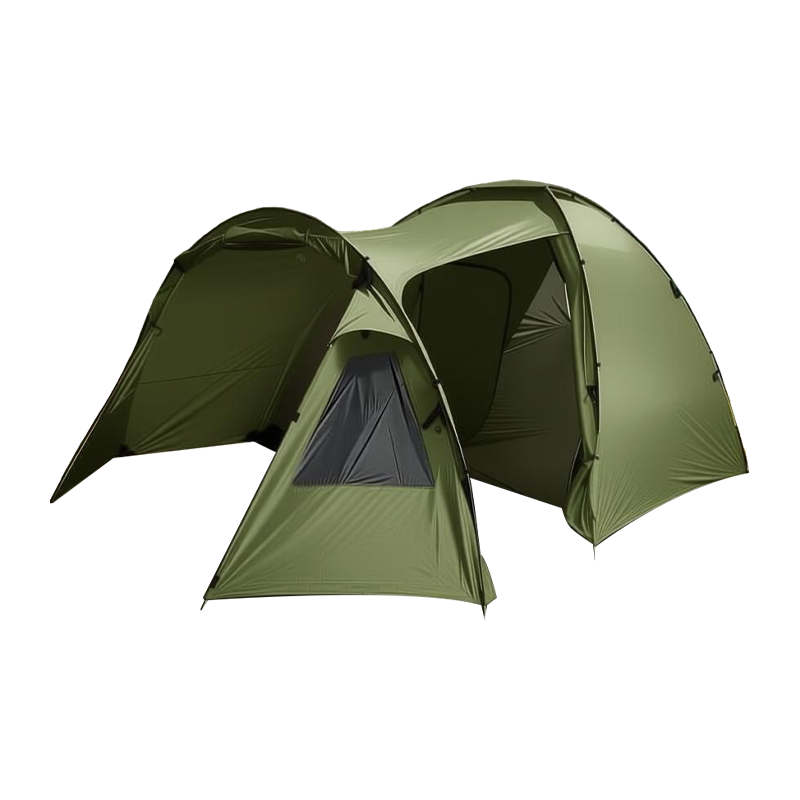
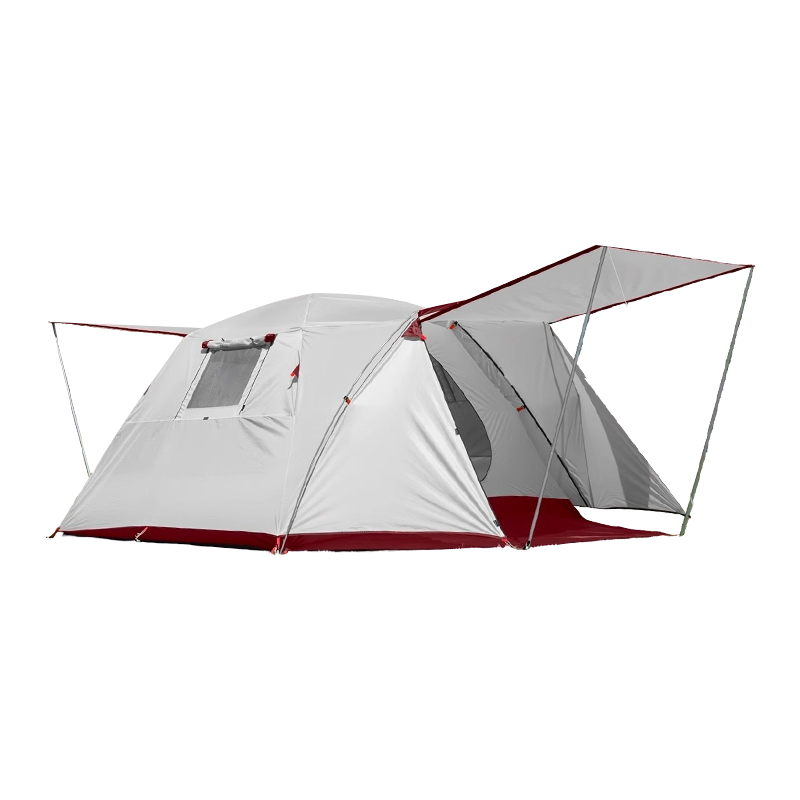
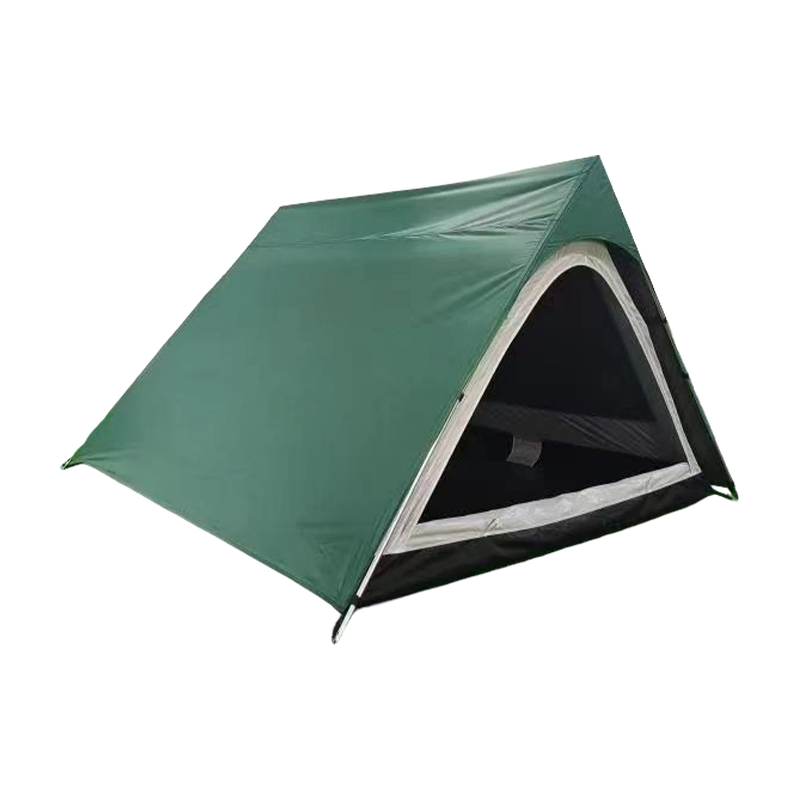
An efficient rapid-setup portable family inflatable tent is a modern camping shelter that replaces traditional rigid tent poles with air filled beams or tubes, which are inflated using a pump to form the structural framework of the tent. Rather than spending significant time threading poles through fabric sleeves and assembling complex frame joints, users simply connect a pump to designated valves on the tent, allowing the air beams to inflate and rapidly form a stable, upright structure within a matter of minutes. This fundamental shift in tent construction technology addresses one of the most common frustrations associated with traditional camping, the often lengthy and physically demanding setup process.
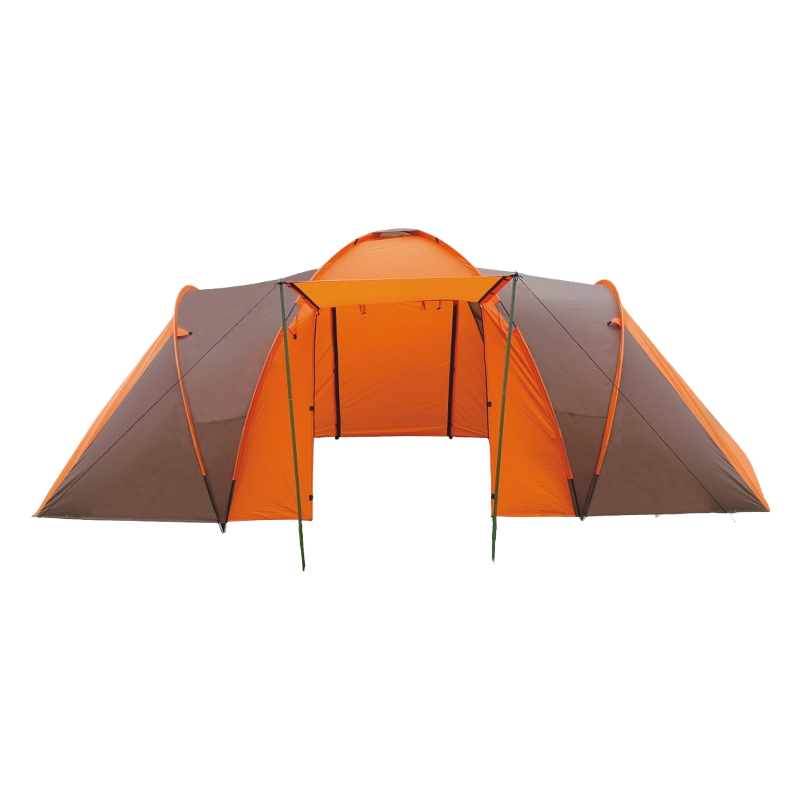
The family oriented design of these tents typically emphasizes spacious interior layouts, multiple sleeping compartments, and practical living space suitable for accommodating parents and children comfortably during multi day camping trips. Unlike smaller, minimalist tents designed primarily for solo backpackers, family inflatable tents are engineered with group comfort and convenience in mind, often incorporating features such as separate bedroom pods, common living areas, and ample storage space for the additional gear typically associated with family camping trips.
How Inflatable Tent Technology Works
The core innovation behind inflatable tent technology lies in the replacement of traditional metal or fiberglass poles with air filled beams constructed from durable, puncture resistant fabric. These air beams are typically arranged in an arch or ridge configuration that mirrors the structural role played by traditional tent poles, providing the necessary rigidity to support the tent's outer fabric shell and maintain its shape under normal weather conditions, including moderate wind and rain.
Inflation is typically accomplished using a hand pump, foot pump, or electric pump, with many modern tents designed to reach full structural rigidity within a matter of minutes, depending on the size of the tent and the type of pump used. Multiple air beams are often connected through a single valve system or a small number of connected valves, allowing users to inflate the entire tent structure without needing to manage numerous individual air chambers separately. This streamlined inflation process is a key factor contributing to the rapid setup times that distinguish these tents from traditional pole based alternatives.
Deflation and packing follow a similarly straightforward process, with air simply released from the beams through the same valve system used for inflation, allowing the tent to be compressed into a compact storage form for transport. This simplified takedown process further enhances the overall convenience of inflatable tents, particularly appealing to families who may be managing tired children, pets, or additional camping gear during the departure process at the end of a trip.
Core Inflatable Tent Features
- Durable, puncture resistant air beams replacing traditional rigid poles
- Streamlined valve systems supporting fast, simplified inflation
- Compatible with hand, foot, or electric pump inflation methods
- Quick deflation process for efficient packing and transport
- Stable arch or ridge beam configuration for structural reliability
Speed and Convenience Advantages Over Traditional Tents
The most significant advantage offered by rapid-setup inflatable tents lies in the dramatic reduction in setup and takedown time compared to traditional pole based tents. While conventional family sized tents can often require thirty minutes or more to properly assemble, particularly for larger multi room designs, inflatable tents can frequently be fully set up within five to ten minutes, depending on tent size and pump efficiency. This time savings becomes particularly valuable in situations where families are arriving at a campsite later in the day, dealing with unexpected weather changes, or managing young children who may become impatient during a lengthy setup process.
Beyond raw time savings, the physical simplicity of the inflation process also reduces the frustration commonly associated with traditional tent assembly, such as correctly identifying and threading multiple pole segments, aligning complex frame joints, or troubleshooting assembly issues in windy conditions. Inflatable tents generally require less physical strength and technical assembly knowledge, making them more accessible to a wider range of campers, including older adults, individuals with physical limitations, or families where one parent may need to manage setup largely independently while supervising children.
This ease of setup also translates into practical benefits beyond the initial campsite arrival. Families who enjoy relocating between multiple camping sites during a single trip, or those participating in outdoor events requiring temporary shelter setup and takedown across multiple days, particularly benefit from the reduced time and effort investment required for each individual setup cycle throughout their trip.
Interior Space and Family Friendly Design Features
Family inflatable tents are typically designed with practical living space and comfort features that reflect the specific needs of families camping together for extended periods. Many models incorporate a multi room layout, featuring separate sleeping compartments connected to a central living area, allowing parents and children to enjoy some degree of privacy during sleeping hours while still sharing a common space for meals, games, or general downtime during inclement weather.
Ceiling height is another important consideration for family comfort, with many rapid-setup inflatable tents designed to offer standing room height throughout at least the central living area, allowing adults to move around comfortably without needing to crouch, a significant improvement over many traditional dome style family tents with more limited interior height. This standing room design also makes daily activities such as changing clothes, organizing gear, or simply relaxing during a rainy afternoon considerably more comfortable for the entire family.
Ventilation and window placement further contribute to overall comfort, with quality family inflatable tents typically incorporating multiple mesh windows and adjustable ventilation panels to support airflow during warmer weather while maintaining the option to seal the tent more completely during cooler or wetter conditions. Interior storage pockets, gear lofts, and dedicated equipment storage areas help families keep their camping gear organized throughout their stay, reducing clutter within the main living and sleeping areas.
Family Comfort Features
- Multi room layouts with separate sleeping compartments
- Standing room ceiling height throughout central living areas
- Adjustable mesh windows and ventilation panels
- Interior storage pockets and dedicated gear organization space
- Shared common areas supporting family activities during poor weather
Durability and Weather Resistance
While the inflatable design offers significant setup convenience, durability and weather resistance remain critical considerations for any family camping shelter. Quality rapid-setup inflatable tents are constructed using robust, tear resistant outer fabrics, often incorporating ripstop weaving patterns that help prevent small punctures or tears from spreading across the tent surface. Waterproof coatings and taped seams further protect against rain penetration, an essential feature for family camping trips where unpredictable weather conditions are a common reality.
The air beams themselves are typically constructed from multiple layers of durable, puncture resistant material, often incorporating a design similar to that used in inflatable watercraft, providing reliable air retention even under moderate wind loading or accidental contact with nearby branches or camping equipment. Many quality tents also include backup features such as multiple independent air chambers within a single beam structure, meaning that a minor puncture in one chamber does not necessarily result in complete structural collapse, providing an additional layer of practical reliability for families camping in more remote or rugged locations.
Wind resistance is achieved through a combination of the inherent flexibility of air filled beams, which can absorb and distribute wind pressure more effectively than some rigid pole systems, along with proper guy line and stake anchoring systems included with quality tent designs. Families camping in areas with variable weather conditions should pay particular attention to manufacturer wind resistance ratings and ensure proper anchoring techniques are followed to maximize the tent's stability during more challenging weather events.
Portability and Transport Considerations
Despite offering spacious family sized interiors, efficient rapid-setup inflatable tents are generally designed with portability in mind, incorporating compact storage bags and reasonable overall packed weight suitable for transport in typical family vehicles. While the air beam construction does add some weight compared to ultralight backpacking tents, this weight is generally offset by the elimination of traditional metal pole sets, which themselves contribute significant weight and bulk to conventional family tent designs.
Storage bag design plays an important role in overall transport convenience, with many quality inflatable tents including wheeled storage bags or ergonomic carrying straps that make it easier to transport the packed tent between vehicles and campsites, particularly relevant for larger family tents that may still weigh a significant amount even without traditional poles. Compression straps and organized packing systems further help families efficiently repack their tent at the end of a trip, avoiding the frustration sometimes associated with fitting a large tent back into its original storage bag.
Pump Options and Inflation Efficiency
The choice of pump used to inflate a family inflatable tent significantly influences the overall setup experience, and understanding the available options helps campers select the most practical approach for their specific needs. Manual hand or foot pumps offer a lightweight, battery free option that requires no external power source, making them a reliable choice for remote camping locations without electrical access, though they do require somewhat more physical effort and time compared to powered alternatives.
Electric pumps, whether powered by a vehicle battery adapter, portable battery pack, or small onboard rechargeable battery, offer significantly faster inflation times with minimal physical effort, making them a popular choice for families prioritizing the fastest possible setup experience. Many electric pumps designed specifically for camping tents also include built in pressure gauges or automatic shutoff features, helping ensure the tent reaches optimal air pressure without the risk of overinflation, which could otherwise place unnecessary stress on the air beam material.
Some premium family inflatable tents include a compatible pump as part of the overall purchase package, ensuring proper compatibility between the pump valve system and the tent's inflation points, while other tents may rely on universal valve designs compatible with a wider range of third party pump options. Buyers should carefully review pump compatibility and inflation time specifications when comparing different inflatable tent models, since these factors directly influence the practical setup experience once the family arrives at their chosen campsite.
Pump Selection Considerations
- Manual hand or foot pumps for reliable, battery free operation
- Electric pumps offering fast inflation with minimal physical effort
- Built in pressure gauges to prevent overinflation of air beams
- Compatibility between pump valve systems and tent inflation points
- Included pump packages ensuring proper fit and performance
Maintenance and Long Term Care
Proper maintenance helps ensure that a family inflatable tent continues to perform reliably across multiple camping seasons. Thoroughly drying the tent before long term storage is particularly important, since packing away a damp or wet tent can lead to mold or mildew development within the fabric, potentially compromising both the tent's structural material and its overall usability during future trips. Setting up the tent briefly at home after a camping trip, weather permitting, provides an effective way to ensure complete drying before storage.
Periodic inspection of the air beams for any signs of wear, small punctures, or valve issues helps identify potential problems before they develop into more significant issues during an actual camping trip. Many inflatable tents include basic repair kits containing patch material suitable for addressing minor punctures in the field, allowing families to quickly resolve small issues without needing to cut a camping trip short. Storing the tent in a cool, dry location away from direct sunlight when not in use further helps preserve the long term integrity of both the fabric shell and the air beam material.
Selecting the Right Family Inflatable Tent
Choosing the ideal efficient rapid-setup portable family inflatable tent depends on several factors specific to each family's camping habits and preferences. Family size and desired interior layout should guide decisions around overall tent capacity and room configuration, with larger families or those who value additional privacy generally benefiting from multi room designs offering separate sleeping compartments. Typical camping conditions, including expected weather patterns and terrain types, should inform decisions around wind resistance ratings, waterproofing specifications, and overall build durability.
Buyers should also consider their typical mode of transport and storage capacity, ensuring the packed tent size and weight remain practical for their specific vehicle and travel arrangements. Finally, evaluating included accessories, such as pump compatibility, repair kits, and storage bag quality, helps ensure a more complete and convenient overall camping experience from initial purchase through years of continued use.
The efficient rapid-setup portable family inflatable tent has fundamentally reshaped the family camping experience, replacing the time consuming frustration of traditional pole based assembly with a streamlined, air beam based structural system that can be set up and taken down in a fraction of the time. Combined with spacious, family friendly interior designs, durable weather resistant construction, and practical portability features, these tents offer a compelling combination of convenience and comfort for families seeking to spend more time enjoying their outdoor adventures and less time struggling with complicated tent assembly. As inflatable tent technology continues to advance, this innovative approach to family camping shelter is likely to remain an increasingly popular choice for outdoor enthusiasts prioritizing both efficiency and comfort during their camping trips.
-
18 Jun, 2026
A portable sun-safe shelter is more than a convenience item for a day at the beach. It is a practical, evidence-backed layer of ultraviolet protection that ad...READ MORE
-
02 Jul, 2026
A day at the beach should be about relaxation, not worrying about sunburn or overheating. A high UPF portable sun-safe beach tent gives families, sunbathers, ...READ MORE
-
09 Jul, 2026
A day at the beach is one of life's simplest pleasures, yet it carries a hidden risk that many people underestimate until years of cumulative sun exposure begi...READ MORE
-
25 Jun, 2026
A truly memorable family camping trip rarely happens by accident — it is built on thoughtful preparation and the right equipment. Choosing the ultimate gear fo...READ MORE
-
11 Jun, 2026
For backcountry adventurers who refuse to compromise between weight savings and all-weather protection, ultralight 4-season camping tents represent the pinnacl...READ MORE
-
30 Apr, 2026
Sharing a backpacking tent with a partner, friend, or hiking companion changes almost every variable in your gear decision. You are now negotiating two sets of...READ MORE

-
+86-15867893553
- km@kaima-outdoor.com
- 6th Floor, Building 8, Wanyang Innovation City, Baifeng Street, Beilun District, Ningbo City, Zhejiang Province, China.
Copyright © Ningbo Kaima Outdoor Products Co., Ltd.All Rights Reserved.
 Custom Outdoor Lightweight/Packable Tent Manufacturers
